

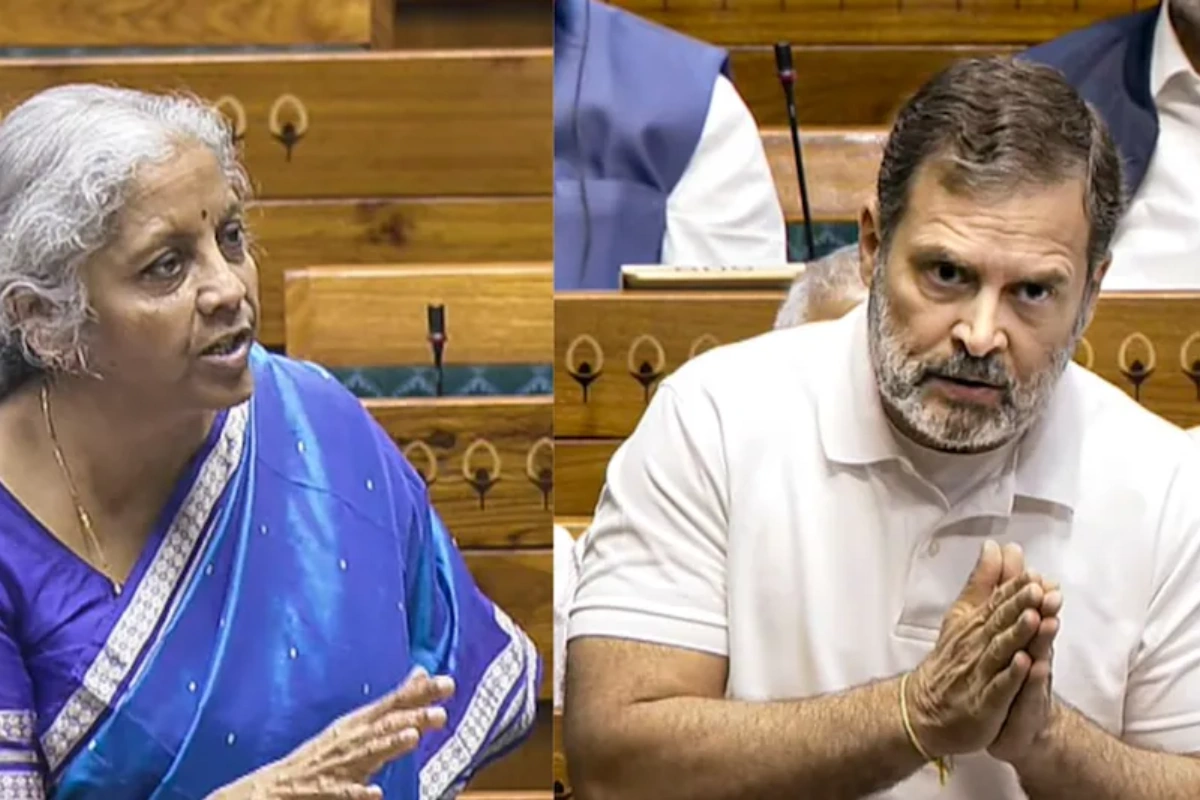
Leader of Opposition Rahul Gandhi sparked controversy in the Lok Sabha by claiming the Modi government “sold Bharat Mata” through an interim India-US trade agreement. He alleged the deal undermined India’s energy security, data sovereignty, and farmers’ interests. Gandhi claimed the government lowered tariffs, allowed US agricultural products to flood markets, and compromised India’s position in global negotiations.
DON'T MISS
Allegations of External Pressure on PM Modi
Gandhi suggested the US could dictate India’s oil purchases and argued that an INDIA bloc government would have negotiated on equal footing with the US. He described the deal as a capitulation to external pressures rather than a strategic economic move, raising questions about long-term national interests.
BJP Counters Gandhi’s Claims
Finance Minister Nirmala Sitharaman defended the Modi government, noting that Congress’s UPA previously compromised farmers at the WTO without safeguards. Union Parliamentary Affairs Minister Kiren Rijiju called Gandhi’s accusations “baseless” and “false,” praising Modi as one of India’s strongest Prime Ministers. BJP also warned of potential privilege motions against unproven parliamentary claims.
Political Tensions During Budget Debate
The exchange took place during the Lok Sabha Budget session on February 11, 2026, highlighting rising political tensions. BJP criticised Gandhi for lowering parliamentary discourse. While no official deal details confirm Gandhi’s allegations, the ruling party emphasised India’s growth into the world’s 4th-largest economy under Modi’s leadership.
The India-US trade deal controversy illustrates the sharp divide between the BJP and Congress over economic and strategic policies. While Gandhi raised concerns about sovereignty and farmers, the BJP defended its record and framed the allegations as politically motivated, leaving the public and parliament to debate the deal’s true implications.