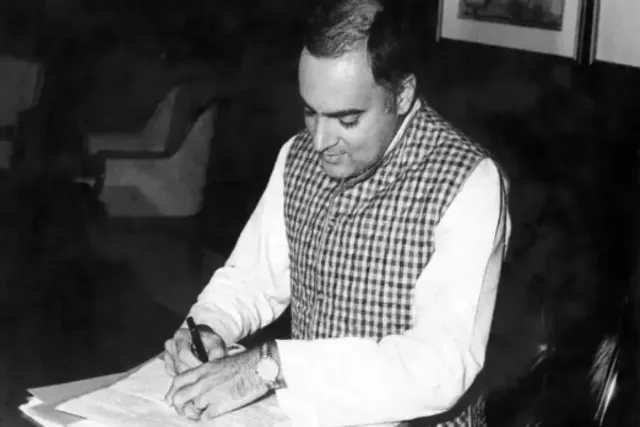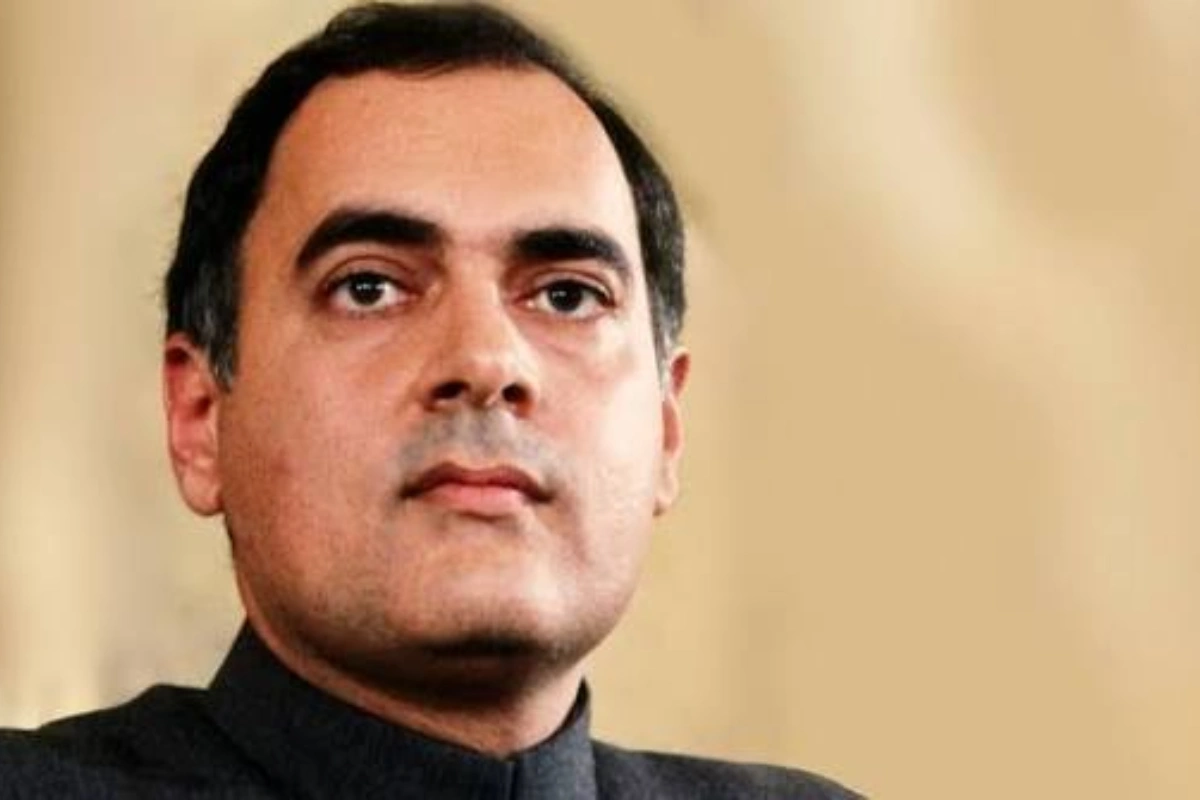
Sadbhavana Diwas, also known as Harmony Day, is observed every August 20 to commemorate the birth anniversary of India’s sixth Prime Minister, Rajiv Gandhi, who was born in Bombay in 1944 and would have turned 82 this year.
What Sadbhavana Diwas Stands For
The word “Sadbhavana” translates to goodwill and harmony. The day was instituted to promote national integration by encouraging long-lasting peace and communal harmony among people of different castes, religions, languages, and regions. It calls on citizens to resolve differences through dialogue and constitutional means rather than violence.
DON'T MISS
The Sadbhavana Pledge
Citizens, government employees, and participants across the country take a formal pledge on this day, committing to “emotional oneness and harmony of all the people of India regardless of caste, region, religion, or language,” and to resolving differences “through dialogue and constitutional means without resorting to violence.”
Remembering Rajiv Gandhi’s Legacy
Rajiv Gandhi became Prime Minister in 1984 following the assassination of his mother, Indira Gandhi, and served until 1989. His tenure is remembered for major reforms including the National Policy on Education in 1986, efforts to reduce the License Raj, and the introduction of Panchayati Raj institutions. He was assassinated on May 21, 1991, in Sriperumbudur, Tamil Nadu, and was posthumously awarded the Bharat Ratna the same year.
How the Day Is Observed
Congress leaders and close family members traditionally lay wreaths at Veer Bhoomi, Rajiv Gandhi’s cremation site in Delhi, while state units of the party hold cultural programmes, speeches, and unity-themed events. The Rajiv Gandhi National Sadbhavana Award, instituted in his memory, recognises individuals and organisations working toward communal harmony.
At a time when questions around dissent, free speech, and institutional trust continue to dominate headlines, Sadbhavana Diwas serves as an annual reminder of Rajiv Gandhi’s vision, one built on dialogue over discord and unity across India’s diverse communities.