


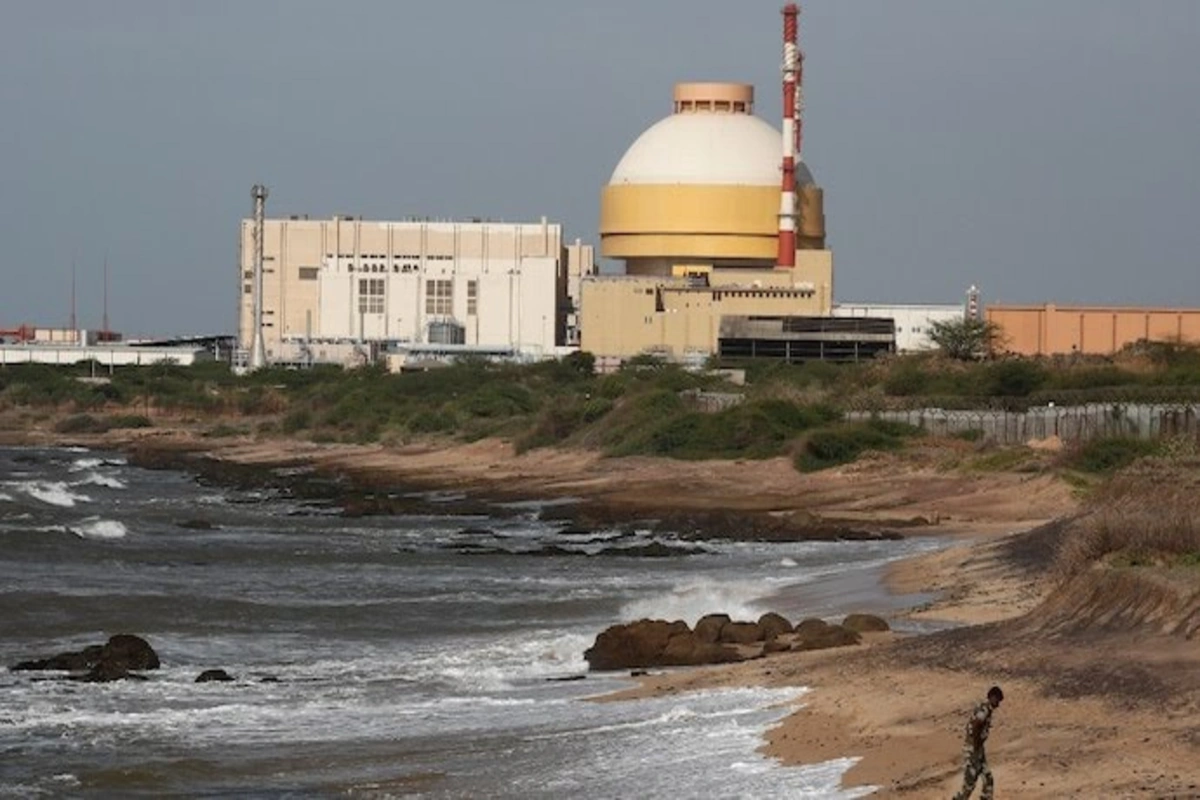
The SHANTI Bill, aimed at reforming India’s nuclear energy sector, has been tabled in Parliament, marking a significant step toward modernising the country’s atomic power framework. The proposed legislation is being described as one of the most ambitious nuclear energy reforms in India’s history, with far-reaching implications for clean energy, private investment and long-term energy security.
What Is the SHANTI Bill?
The SHANTI Bill seeks to restructure India’s nuclear power ecosystem by addressing long-standing regulatory, liability and operational challenges. The objective is to unlock India’s vast nuclear potential while aligning the sector with global best practices. The Bill focuses on improving safety standards, streamlining approvals and creating a more predictable policy environment.
DON'T MISS
Boost for Clean Energy and Net-Zero Goals
Nuclear energy is a critical component of India’s clean energy transition. With rising power demand and climate commitments, the SHANTI Bill positions nuclear power as a reliable, low-carbon alternative to fossil fuels. Experts believe the reform could help India move closer to its net-zero targets while ensuring round-the-clock electricity generation.
Opening Doors for Investment and Innovation
One of the key highlights of the SHANTI Bill is its attempt to encourage private sector participation and technological collaboration. By reducing policy uncertainty and revisiting liability concerns, the Bill is expected to attract domestic and international investment, boost innovation and accelerate the deployment of advanced nuclear technologies.
Safety, Accountability and Governance
The Bill also places strong emphasis on nuclear safety, regulatory transparency and institutional accountability. Strengthening oversight mechanisms and upgrading safety protocols are central to ensuring public trust and long-term sustainability of nuclear projects.
Why the SHANTI Bill Matters
If passed, the SHANTI Bill could redefine India’s energy landscape by making nuclear power a more viable and scalable option. It has the potential to generate employment, support industrial growth and reduce dependence on imported fuels.
As the Bill moves through parliamentary scrutiny, it is expected to spark extensive debate on balancing energy needs, safety concerns and economic growth—making it a landmark moment for India’s energy policy.