


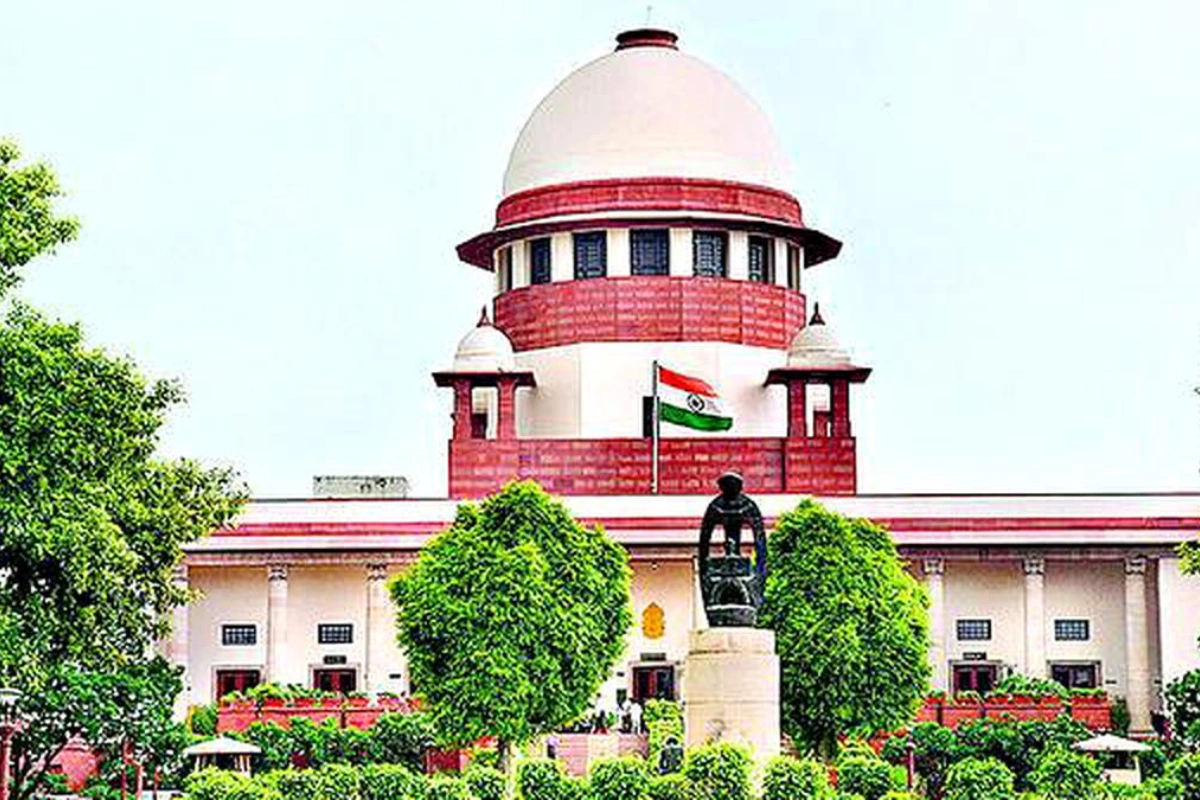
SIR: Illegal immigration, especially of Rohingyas, is now a major national debate. For the first time, both the ruling coalition and the Supreme Court strongly oppose granting illegal entrants the same rights as citizens.
Supreme Court’s Clear Stand on Illegal Immigrants?
The Supreme Court questioned why illegal immigrants should receive judicial protection or welfare benefits when millions of Indian citizens still lack basic needs. It said those who enter the country secretly by crossing fences or slipping through borders cannot demand the same rights as citizens.
What Triggered the Strong Court Reaction?
SIR: The case was about five missing Rohingyas, but the Court pointed to a bigger issue outsiders filing petitions with unreasonable demands. It said illegal migrants must not be mistreated, but courts cannot offer special privileges or allow petitions that ignore national interest.
DON'T MISS
National Security Concerns Around Sensitive Borders
The Court noted that India’s northern and eastern borders are highly sensitive and already face heavy illegal infiltration. It questioned giving full support to intruders when national security is at risk, saying humanitarian concerns cannot outweigh demographic, security, and administrative dangers.
Government’s Alignment With the Court’s View
Tushar Mehta supported the Court, saying many PILs misuse public interest by demanding confidential details and making unreasonable requests. He said unrelated petitioners are interfering in sensitive issues, reinforcing that illegal migrants cannot be placed above citizens or national security.
Key Legal Questions the Court Will Decide Next
This case is among 22 petitions where the Supreme Court is deciding if Rohingyas are refugees or illegal migrants, whether they can be detained or released on bail, and if those in camps should get basic amenities.
India’s Longstanding Policy on Illegal Immigrants
India has consistently prioritized national security in dealing with Rohingya migrants, citing risks of extremism and border vulnerability. In a 2021 order, the Supreme Court already made it clear that the right against deportation under Article 19 does not apply to non-citizens.
Why the Opposition Still Opposes This Stand?
Though the government and Supreme Court take a strict stance, the Opposition demands a humanitarian approach, saying Rohingyas deserve protection. The ruling side argues that national security, citizens’ welfare, and legal processes must come before sympathy.