

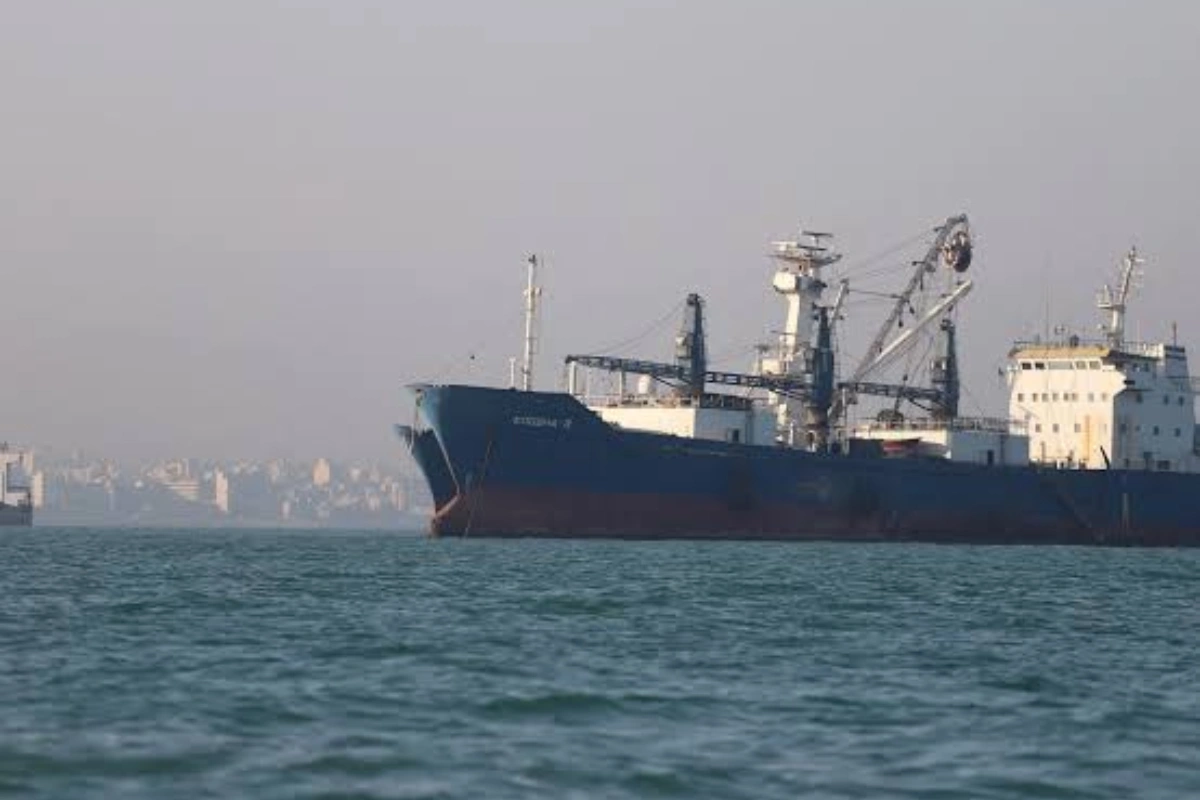
Iran’s parliament is currently reviewing a preliminary bill that would significantly tighten state control over navigation through the Strait of Hormuz and the Persian Gulf. Under the draft, vessels belonging to the United States, Israel and other countries Tehran designates as hostile would be barred from transiting the strait, while military and civilian cargo linked to Israel would also face a ban. The bill proposes fines of up to 20% of a vessel’s cargo value for violations and requires the government to work with Iran’s armed forces to monitor shipping and enforce environmental and security oversight. It remains under committee-level review, with lawmakers inviting expert input before finalising the text.
DON'T MISS
Why the Strait Matters So Much
The Strait of Hormuz is one of the world’s most critical energy corridors, carrying around a fifth of global seaborne oil trade. The bill also envisages Iran charging navigation fees on ships passing through — a move that, if implemented, could raise shipping costs well beyond the countries it explicitly targets.
The Stakes for India
India is not named in the bill, but it has significant exposure to the strait: close to 40% of its crude oil imports and more than half of its LNG shipments have historically passed through Hormuz. New Delhi has spent the past year diversifying supply — sourcing crude from roughly 40 countries and leaning more heavily on Russia, the US and West Africa — cutting direct route-dependence to around 30%. Even so, any fee regime or tighter Iranian oversight could push up freight costs and insurance premiums for tankers serving Indian ports, even those unaffected by the vessel ban itself.
The bill is still in committee, and its final shape — particularly the fee structure and enforcement mechanism — will determine how much of an indirect burden it places on non-targeted buyers like India.