

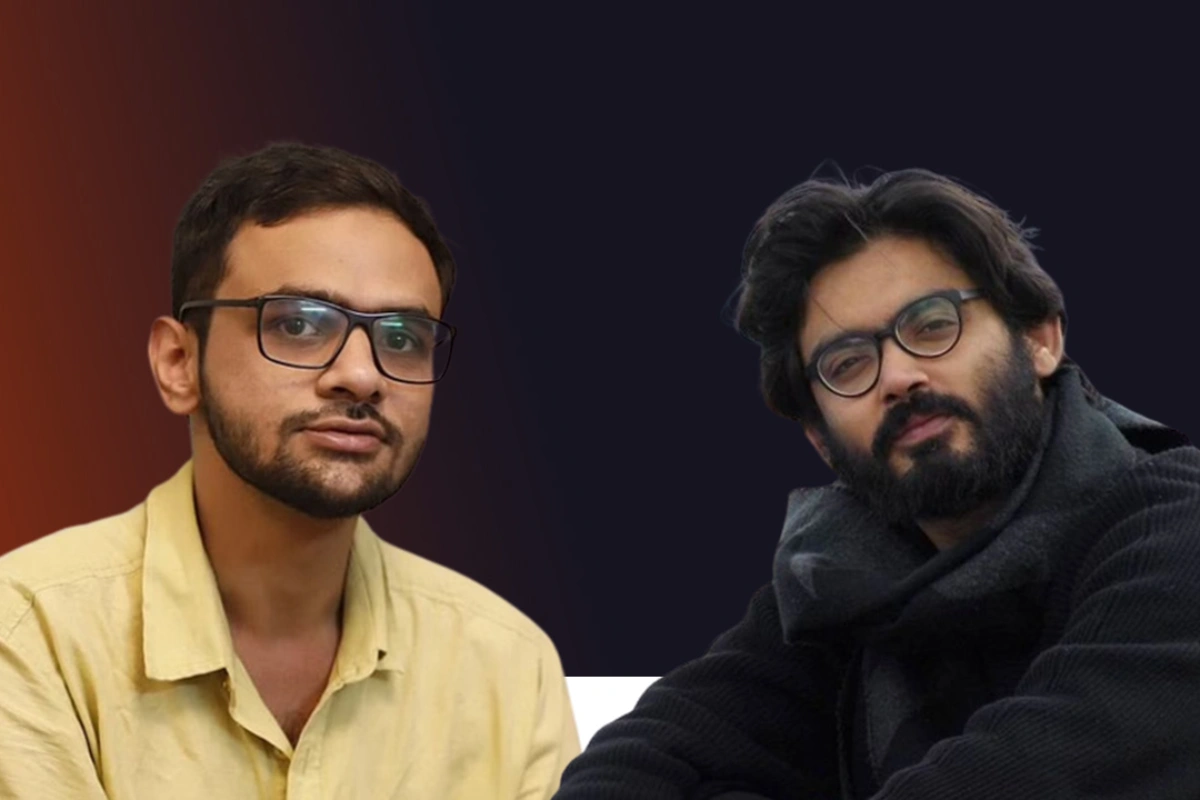
Umar Khalid: The Supreme Court (SC) of India has pronounced its verdict in the 2020 Delhi riots larger conspiracy case, involving key accused like Umar Khalid and Sharjeel Imam.
Bail to Umar Khalid and Sharjeel Imam has been denied while the rest have bailed out. The SC said Khalid and Imam stand on a qualitatively different footing than the rest of accused people. Both cannot appeal for bail for at least 1 year.
The SC’s verdict addresses ongoing appeals against the denial of bail by the Delhi High Court under stringent Unlawful Activities (Prevention) Act, 1967 or UAPA provisions.
What Happened in the 2020 Delhi Riots?
In February 2020, violence erupted in Northeast Delhi amid growing protests against the National Register of Citizens (NRC) and the Citizenship Amendment Act (CAA). This resulted in the death of 53 individuals, widespread arson and vandalism and injuries to more than 700 people.
DON'T MISS
More than 753 FIRs were registered and police authorities described the events as “deep-rooted, premeditated conspiracy” and not spontaneous riots, allegedly timed during the visit of US President Donald Trump. This was during the visit of Trump, dubbed “Namaste Trump,” which occurred on February 24-25, 2020.
A few days back, New York City Mayor Zohran Mamdani wrote a personal handwritten note expressing solidarity while 8 US lawmakers urged the Indian government for Khalid’s release on bail and a fair trial.
Legal Sections Involved
Prosecution has labelled Umar Khalid, Sharjeel Imam, Shifa-ur-Rehman, Mohd Saleem Khan, Gulfisha Fatima, Meeran Haider and Shadab Ahmed as masterminds. Evidence against them included chats of WhatsApp groups such as Delhi Protest Support Group (DPSG), meetings at locations, protected witness statements and inflammatory speeches. It was noted by the Delhi High Court that all of them played “grave” roles in planning and mobilization, rejecting parity with others granted bail earlier.
The accused were facing charges under UAPA, especially Section 16 for terrorist acts causing death, alongside Bharatiya Nyaya Sanhita (BNS) sections such as 147/148/149 (rioting), 120B (criminal conspiracy) and 153A (promoting enmity).
The Supreme Court’s ruling, which was delivered by Justices Aravind Kumar and N.V. Anjaria, follows marathon hearings.


%20Act,%201967%20or%20UAPA%20verdict%20for%20accused%20Umar%20Khalid,%20Sharjeel%20Imam%20and%20more%20announced..)