

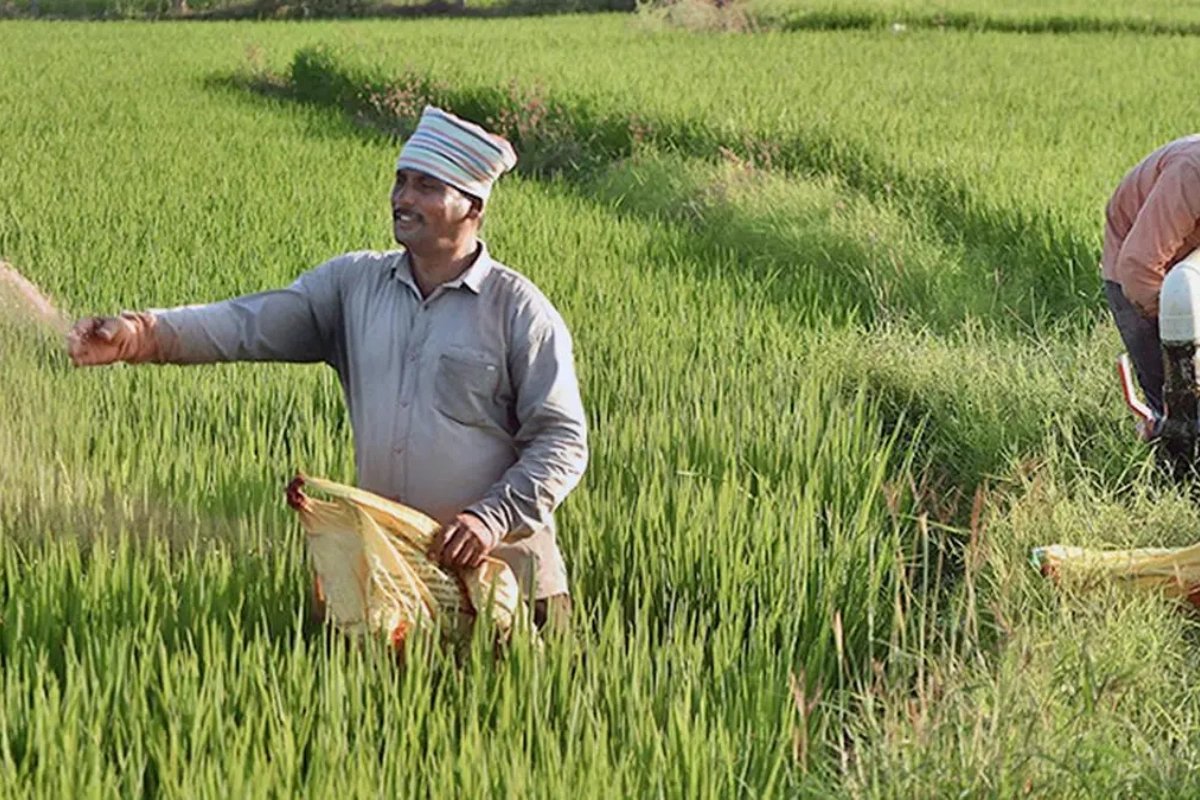
US Israel Iran War: The ongoing geopolitical crisis involving the United States, Israel and Iran have triggered widespread concerns across agricultural markets across the world. In India, many farmers and trade associations have been expressing concerns over the availability and prices of fertilizers, particularly Diammonium Phosphate (DAP), which plays an important role in crop nutrition.
DON'T MISS
India is approaching the crucial Kharif season and many farmers are concerned whether their key crops like rice, maize, cotton, soybean and sugarcane would get affected?
US Israel Iran War-Global Fertilizer Supply Under Stress
There is no denying the fact that blockage of the Strait of Hormuz, which is an important artery for global fertilizer trade, has become a massive challenge to ensure smooth functioning of global supply chains. The ongoing US Israel Iran War has disrupted logistics, increased freight risks and pushed up input costs.
Strong Buffer Stocks And Policy Readiness
The Indian Government has assured the country that India has a relatively comfortable supply of fertilizers, including DAP. As of mid-March, DAP stocks stood at nearly 25 lakh tonnes, which is nearly double the previous year’s level. Furthermore, the government has increased urea stocks substantially while ensuring early procurement of fertilizers to avoid last-minute shortages.
India’s kharif crop season is on the cards. Crops such as rice, maize, cotton, soybean and sugarcane are nutrient-intensive crops that are particularly dependent on nitrogen and phosphorus. Therefore, adequate DAP availability is critical during the early growth stages.
It is widely expected that the Indian government would focus on promoting balanced fertilization using NPK and bio-fertilizers. Also, it is likely to encourage precision farming and soil testing while strengthening domestic fertilizer production capacity. The government is also likely to focus on efficient distribution and prevention of hoarding. Moreover, farmers in the country may possibly diversify toward less input-intensive crops. This would ensure no troubles for farmers and the economy during the kharif crop season and more times to come.


