


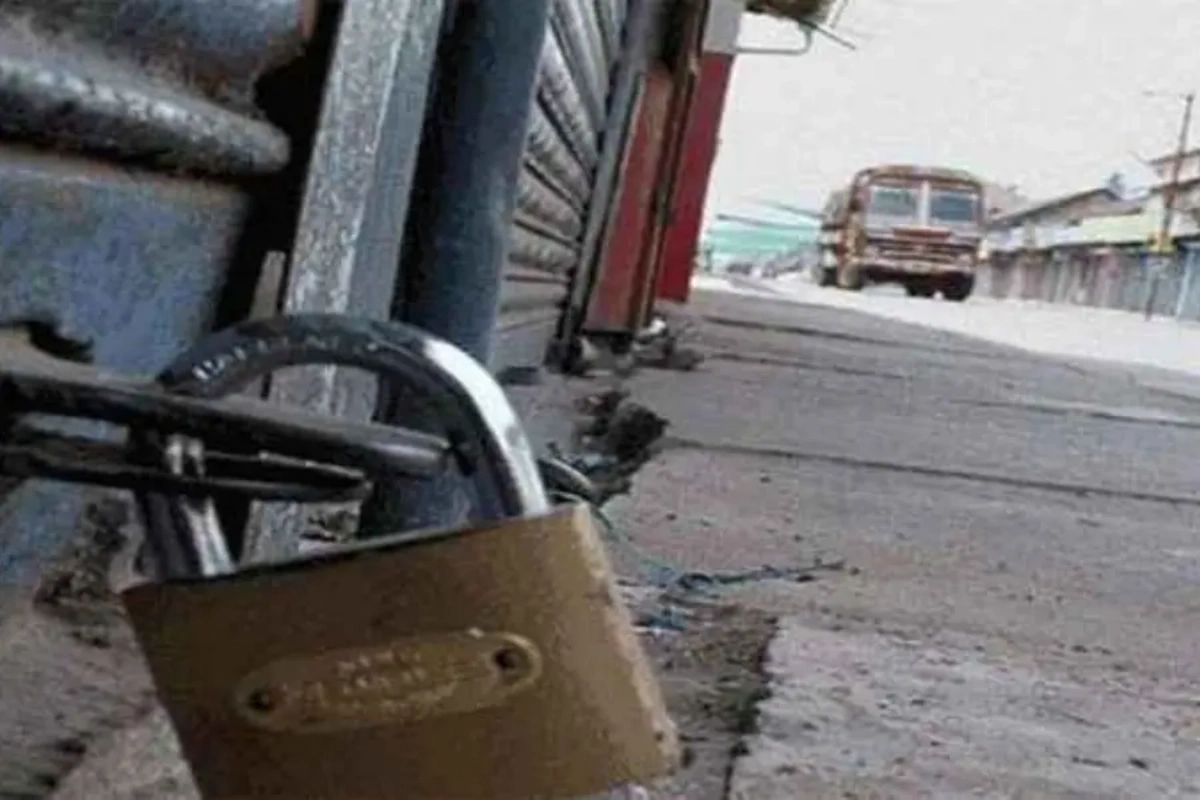
On Thursday, 12 February 2026, a Bharat Bandh (nationwide lockout) will take place due to the efforts of a coalition of 10 central trade unions and farmers’ associations who oppose the government’s policies related to (among other things) the new labour codes and impending free trade agreements.
Why Is the Bharat Bandh Called?
Trade unions – like INTUC, AITUC, HMS and CITU, etc. – and farmers’ unions, including the Samyukt Kisan Morcha, are calling for three things:
- The removal of 4 (four) new labour codes that came into effect in 2025, which they believe remove protection for employees.
- Opposition to several trade agreements (including the India/US free trade agreement) that adversely affect farmers.
- Other policy changes concerning employment schemes and social welfare.
What Might Be Closed?
Banks
Banks in the public sector have called for strike action by their employees because the Reserve Bank of India has not designated February 12 as a “banking holiday”. Bank branches may have service disruptions during the strike period. Activities in branches that routinely take place will experience delays, such as cash transactions and cheque clearances. Digital banking, ATMs, and online banking services should be unaffected.
DON'T MISS
Schools & Colleges
Education facilities don’t have one universal rule for closure from the government. Individual education facilities and/or individual states may choose to remain closed or issue facility closures or local advisories due to transportation problems for deliverability of students and/or disruption in teacher support because of the bandh.
Transport & Markets
Marches and blockades related to the protests may result in delays or cancellations of some public transportation services (e.g., taxi services, state-run bus & train services, etc.). Affected areas may have reduced availability of retail businesses or local markets during protest hours, which could impact all or some portions of the day.
What Will Remain Open?
Essential services such as hospitals, pharmacies, ambulances, water, electricity, and medical emergency services are expected to be running as per normal. Airports and train services will generally run; however, travelers should anticipate delays with respect to road congestion.