

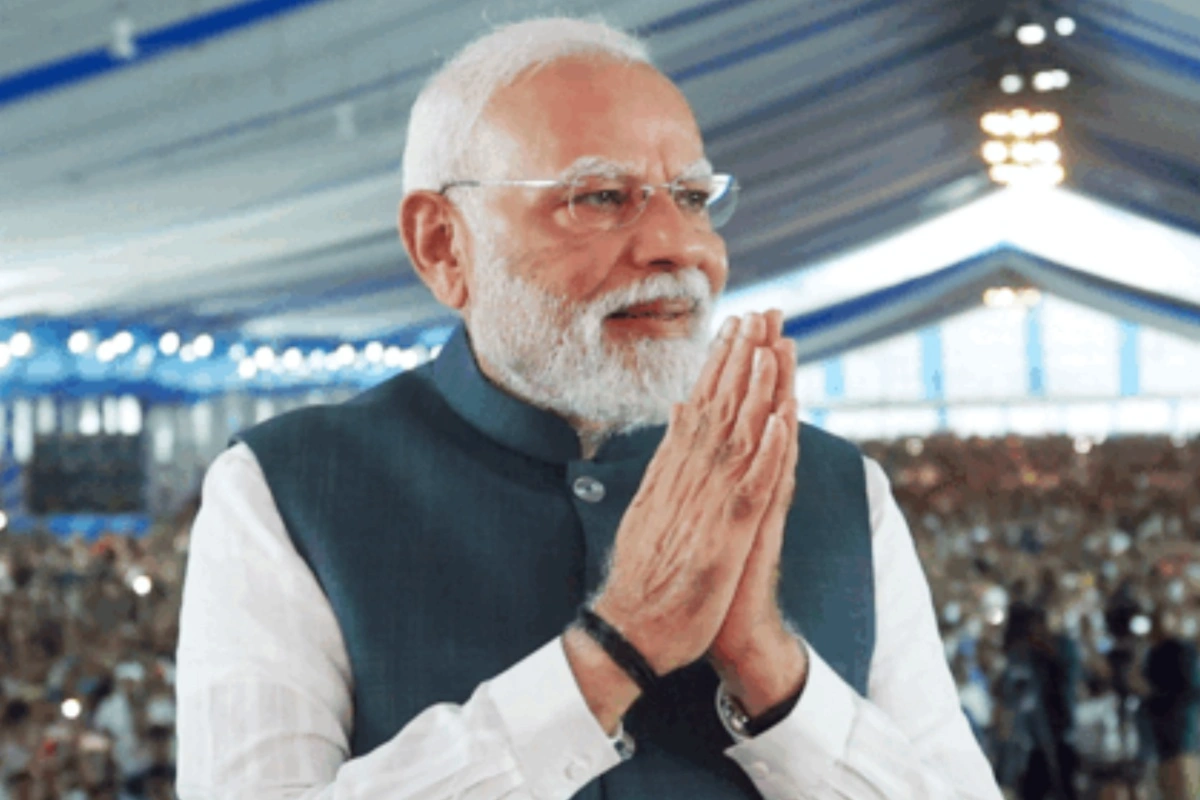
PM Modi Israel Visit: Prime Minister Narendra Modi’s February 25 visit to Israel is being widely interpreted by diplomats and analysts as a pivotal moment in bilateral relations, reflecting a shift from traditional diplomacy to deeper strategic partnership encompassing technology, trade, security, and regional connectivity.
PM Modi Israel Visit: Timing Amid Geopolitical Flux
Israeli Special Envoy for Trade and Innovation Fleur Hassan-Nahoum described the visit as coming at a “critically important time,” citing rapid geopolitical changes in West Asia over the past two years. These shifts — including new alignments, normalization agreements, and economic corridor projects — have created conditions for expanded regional cooperation. According to her, emerging alliances could reshape trade and political dynamics across continents.
DON'T MISS
Strategic Economic Vision: The IMEC Factor
One of the most significant strategic elements discussed is the proposed India-Middle East-Europe Economic Corridor (IMEC), which aims to connect India to Europe through Middle Eastern partners including the United Arab Emirates and Israel. If realized, the corridor could transform global supply chains, shorten transit routes, and reduce logistical costs, positioning India as a central node in transcontinental commerce.
Deepening India–Israel Partnership
India and Israel already share strong cooperation in sectors such as:
- Defense technology
- Agriculture innovation
- Water management
- Cybersecurity and AI
- Startup ecosystems
Israel views India as both a major market and a strategic technology partner, while India values Israel’s expertise in innovation-driven sectors and advanced defense systems.
Leadership Chemistry as Diplomatic Capital
A notable aspect highlighted by Israeli officials is the personal rapport between PM Modi and Israeli Prime Minister Benjamin Netanyahu. Diplomats suggest that strong personal trust between leaders often accelerates negotiations, reduces bureaucratic friction, and enables bold policy decisions — especially in strategic partnerships.
Why Analysts Call It a Turning Point
Experts consider this visit significant for three reasons:
- It signals India’s expanding diplomatic footprint in West Asia.
- It reinforces Israel’s pivot toward Asian economic partners.
- It aligns with India’s broader goal of becoming a global manufacturing and logistics hub.


