


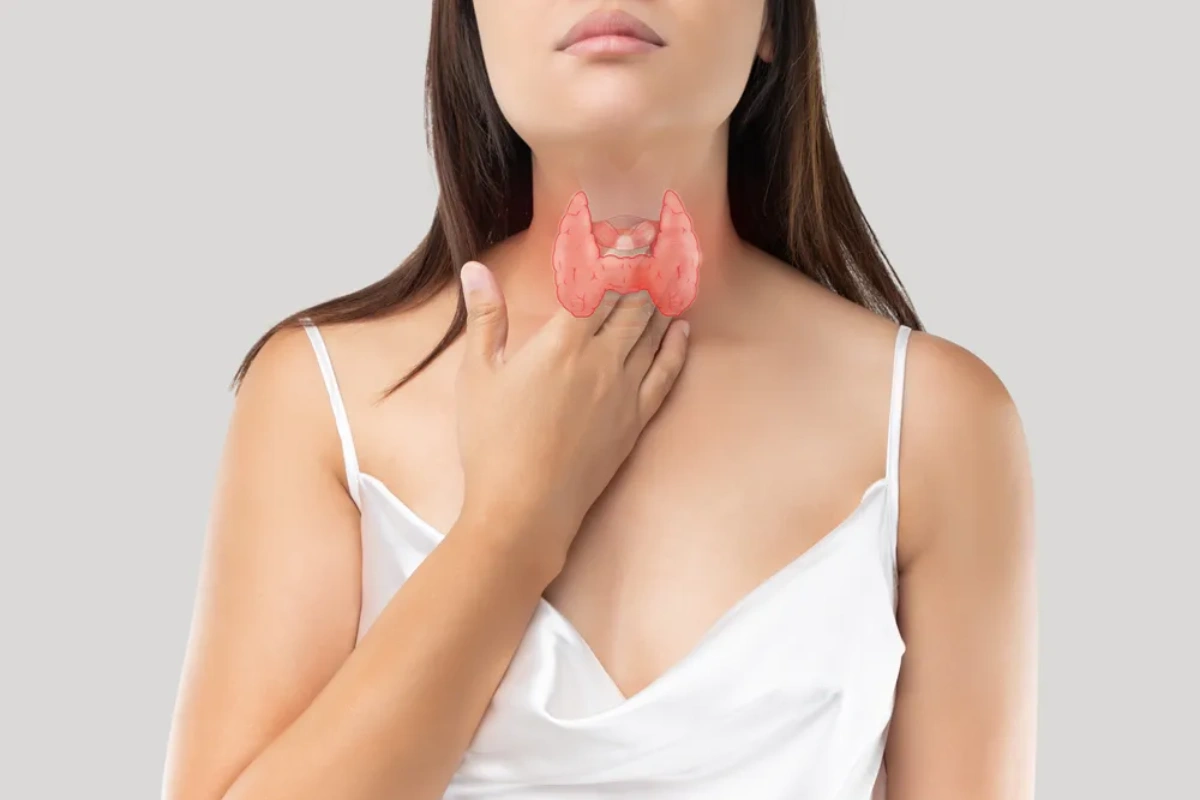
Hypothyroidism: Struggling with thyroid issues like hypothyroidism or Hashimoto’s? Your diet could be silently sabotaging your thyroid function, worsening fatigue, weight gain and hormone imbalances.
5 Deadly Foods Sabotaging Your Thyroid
1. Peanuts & Groundnuts: The Hidden Iodine Blockers
Raw or excessive peanuts pack goitrogenic compounds like isoflavones and resveratrol-like substances. These mildly hinder iodine uptake, crucial for thyroid hormone production, especially if you’re iodine-deficient.
DON'T MISS
Ideally, you should limit to small roasted portions or skip altogether for safer thyroid health.
2. Soy Products: Hormone Production Saboteurs
Tofu, soy milk and soy protein brim with isoflavones that inhibit thyroid peroxidase (TPO), the key enzyme crafting T3 and T4 hormones.
Not only this, they clash with levothyroxine absorption. For thyroid warriors, fermented alternatives like tempeh in moderation might work better.
3. Millets, Especially Pearl Millet (Bajra): Goiter Triggers
These grains harbor goitrogenic polyphenols disrupting TPO activity, slashing thyroid hormone output. Pearl millet stands out, linked to higher goiter rates in iodine-poor areas like parts of India.
Ideally, you should switch to safer grains like rice or quinoa. Cooking helps slightly, but excess millet remains a no-go for thyroid patients.
4. Gluten Grains: Autoimmune Attack Igniters
Wheat, barley, and rye’s gluten mimics thyroid proteins in Hashimoto’s, sparking molecular mimicry. This tricks the immune system into assaulting your thyroid, ramping up antibodies.
Test for sensitivity and opt for gluten-free oats or alternatives.
5. Raw Cruciferous Veggies: Iodine Thieves
Cabbage, broccoli, cauliflower, kale, and Brussels sprouts release thiocyanates from glucosinolates, blocking thyroid iodine uptake.
Raw forms pose the biggest threat – cooking, steaming, or boiling neutralizes 90 percent of goitrogens. Enjoy cooked in moderation if iodine levels are optimal.
Disclaimer: This content, including advice, provides general information only. It is not a substitute for a qualified medical opinion in any way. The methods and claims mentioned in this article should be considered as suggestions only; DNP India neither confirms nor denies them. Always consult a doctor before following any such suggestions/treatments/medications/diets.