

A fresh political debate has emerged over India’s ethanol-blended fuel policy after the Society of Indian Automobile Manufacturers (SIAM) issued a clarification regarding media reports based on excerpts from its earlier communication to the government.
Anurag Dhanda: AAP and BJP Spar Over SIAM’s Ethanol Fuel Recommendations
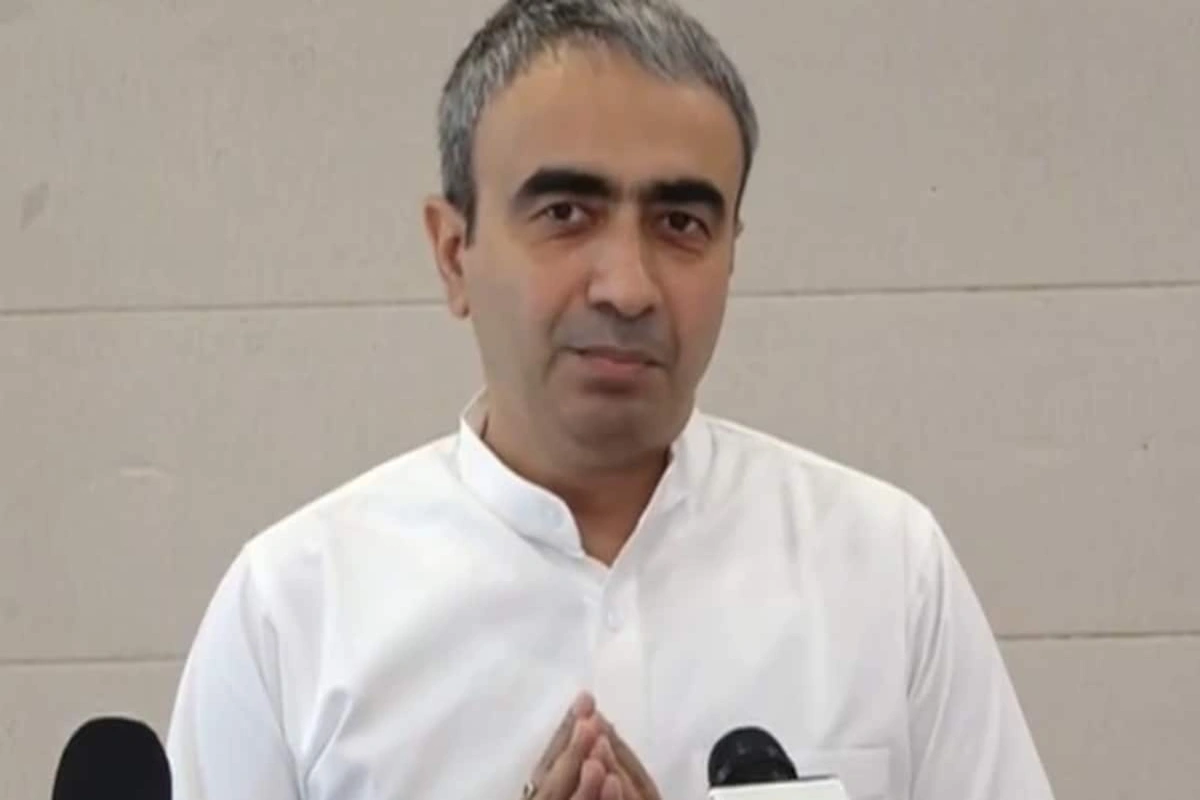
The controversy intensified after AAP leader Anurag Dhanda claimed that SIAM’s recommendations to the Government of India clearly state that the availability of E10 fuel for existing vehicles is essential. He alleged that this recommendation contradicts claims made by the Bharatiya Janata Party (BJP) and accused the party of spreading misinformation regarding the transition to E20 fuel.
DON'T MISS
The remarks came in response to BJP IT Cell head Amit Malviya
The remarks came in response to BJP IT Cell head Amit Malviya, who stated that AAP national convener Arvind Kejriwal had presented a misleading narrative on the issue. Malviya cited SIAM’s clarification, arguing that selective excerpts from an internal industry communication had been taken out of context and that the automobile industry continues to support the Government of India’s E20 ethanol-blending programme.
SIAM, in its clarification, said the communication referred to in media reports was part of routine technical discussions among industry stakeholders, oil marketing companies, automobile manufacturers, and testing agencies. The industry body noted that fuel quality in India is monitored through an extensive regulatory framework covering more than 150 parameters and that some figures mentioned in the earlier communication require further authentication through wider data collection and consultations.
The automobile industry body also reiterated its support for the Government of India’s ethanol blending initiative, describing the E20 programme as important for improving energy security and reducing dependence on fossil fuels. SIAM added that oil marketing companies have introduced multiple quality-control measures, including regular fuel testing and monitoring at retail outlets.
At the centre of the political disagreement is SIAM’s earlier recommendation that E10 petrol should continue to remain available for existing vehicles during the transition to higher ethanol blends. Supporters of the recommendation argue that maintaining E10 availability would help owners of older vehicles that may not be fully compatible with E20 fuel, while allowing a gradual shift toward higher ethanol blending for newer vehicles.
The debate has highlighted differing political interpretations of SIAM’s recommendations. While AAP leaders argue that the recommendation validates concerns about the impact of E20 on existing vehicles, BJP leaders maintain that SIAM’s clarification confirms the industry’s continued support for the government’s ethanol roadmap and that transitional fuel availability does not amount to opposition to the E20 policy.