


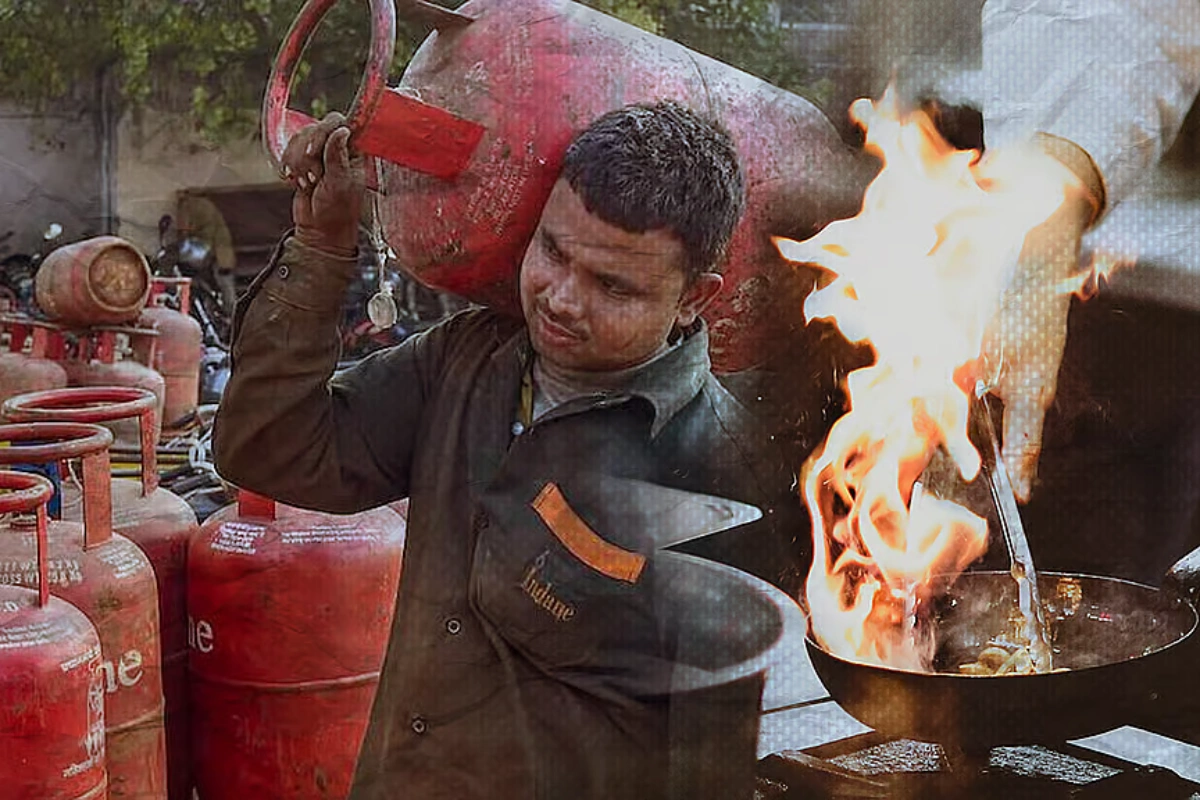
LPG Shortage: The ongoing shortage of commercial liquefied petroleum gas (LPG) cylinders in the country has started to severely hit institutional kitchens across the country. The development has now started to affect millions of patients undergoing medical trials and factory attendances. As millions of patients and workers face disruptions, could this be the turning point that would push India back to traditional chulhas or innovate to induction cooktops as the new normal?
DON'T MISS
LPG Shortage-Factory Canteens And Institutional Catering Severely Impacted
Several small eateries, hotels and restaurants have been severely impacted due to non-availability of commercial LPG cylinders. These days, factory canteens and institutional catering have been forced to make a switch to traditional chulhas (wood-fired stoves) and induction cooktops to keep their kitchens operative.
Several medical facilities and clinical research centres in the country are struggling with offering a tailored diet to patients undergoing medical trials.
Furthermore, the situation has worsened after Holi when several outstation workers went back home and refused to make a return from their hometowns after learning about the shortage of LPG cylinders.
In recent days, institutional catering that is important for schools, hostels and corporate cafeterias faces even bigger challenges. In India, institutional catering relies heavily on bulk LPG for scale and hygiene. Now, operators of these catering facilities warn of nutritional shortfalls, scaled-back menus and rising meal costs as wood per quintal is not cheap and induction cooktops require inverters to beat power cuts.
The Road Ahead: Policy Fixes or Permanent Shift?
Will induction cooktops and traditional chulhas become the norm going forward? The answer is a big yes in the short term but diversification would be the key in the long run. Meanwhile, the Union Government has already instructed oil marketing companies like BPCL and HPCL to significantly boost LPG production at their plants while fast-tracking LNG terminals and subsidizing alternatives.