

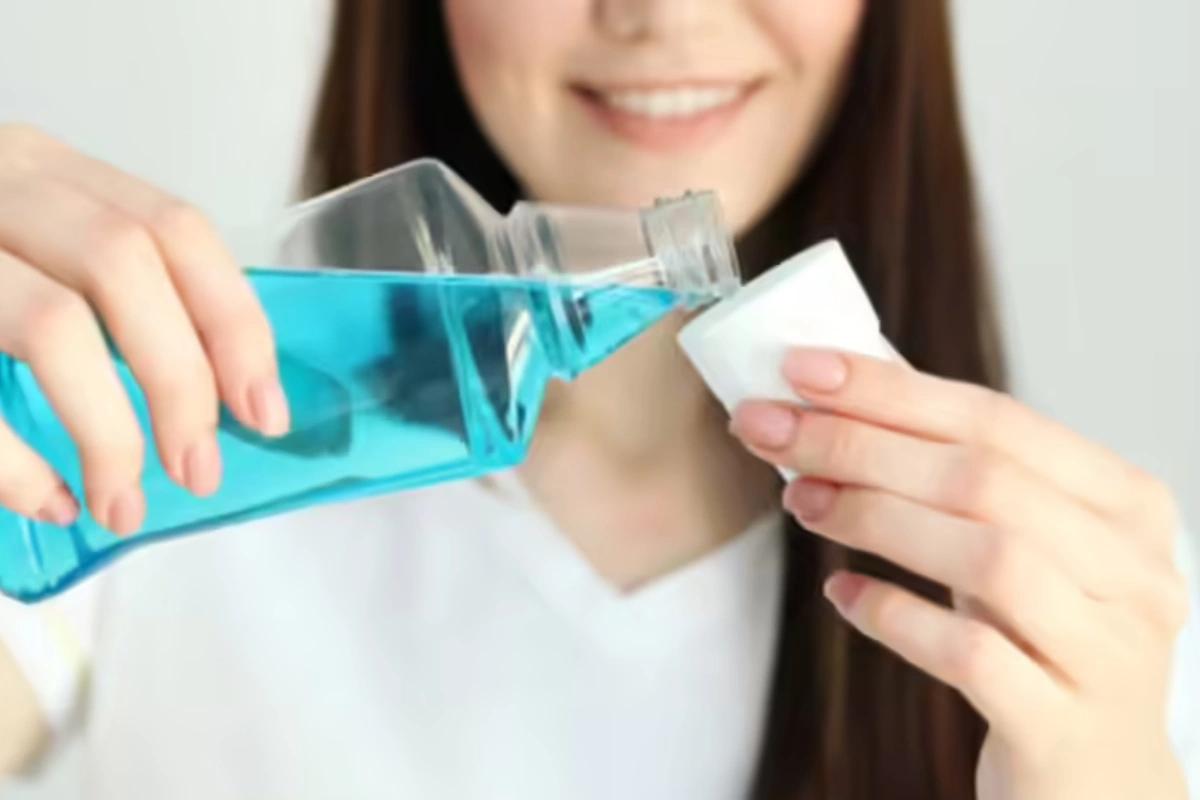
Mouthwash: Mouthwash, also known oral rinse or mouth rinse, is a common part of many people’s daily routine. After all, it promises healthier gums, fresh breath and fewer bacteria. However, many health experts have raised serious concerns that some mouthwashes may actually increase the risk of cancer. So, what’s the real truth? Let’s find out.
Mouthwash-Where Did This Concern Come From?
Several studies in the recent past that looked at long-term use of certain mouthwashes, especially those containing alcohol, have suggested that alcohol-inclusive mouthwashes may increase the risk of carcinoma (cancer).
Ingredients in Mouthwash That Raise Questions
Let’s look at some common ingredients in mouthwashes.
DON'T MISS
1. Alcohol (Ethanol)
A big majority of mouthwashes include high levels of alcohol, sometimes up to 20-25 percent. However, alcohol could end up drying your mouth allowing harmful bacteria to grow. Moreover, there are also concerns that alcohol may break down into a chemical known as acetaldehyde, which is known to be harmful in large amounts.
2. Chlorhexidine
A strong antibacterial ingredient, Chlorhexidine could result in tooth staining and a disturbed natural balance of mouth’s bacteria.
3. Cetylpyridinium Chloride (CPC)
It may cause mild irritation in some individuals and its overuse may affect the natural oral microbiome.
4. Artificial Colours and Flavours
Artificial additives may cause allergies or irritation.
5. Hydrogen Peroxide
The use of Hydrogen Peroxide in mouthwashes may cause sensitivity or gum irritation.
How to Use Mouthwash Safely?
- Choose an alcohol-free mouthwash that is gentler on the mouth.
- Carefully look at the ingredients and avoid products that include too many additives or harsh chemicals.
- Don’t use mouthwash more than 2 times a day. Never swallow mouthwash and only use the recommended dosage and rinse thoroughly for the suggested time.
- Brush twice a day and floss regularly. Drink at least 3-4 litres of water every day.
Disclaimer: This content, including advice, provides general information only. It is not a substitute for a qualified medical opinion in any way. The methods and claims mentioned in this article should be considered as suggestions only; DNP India neither confirms nor denies them. Always consult a doctor before following any such suggestions/treatments/medications/diets.