


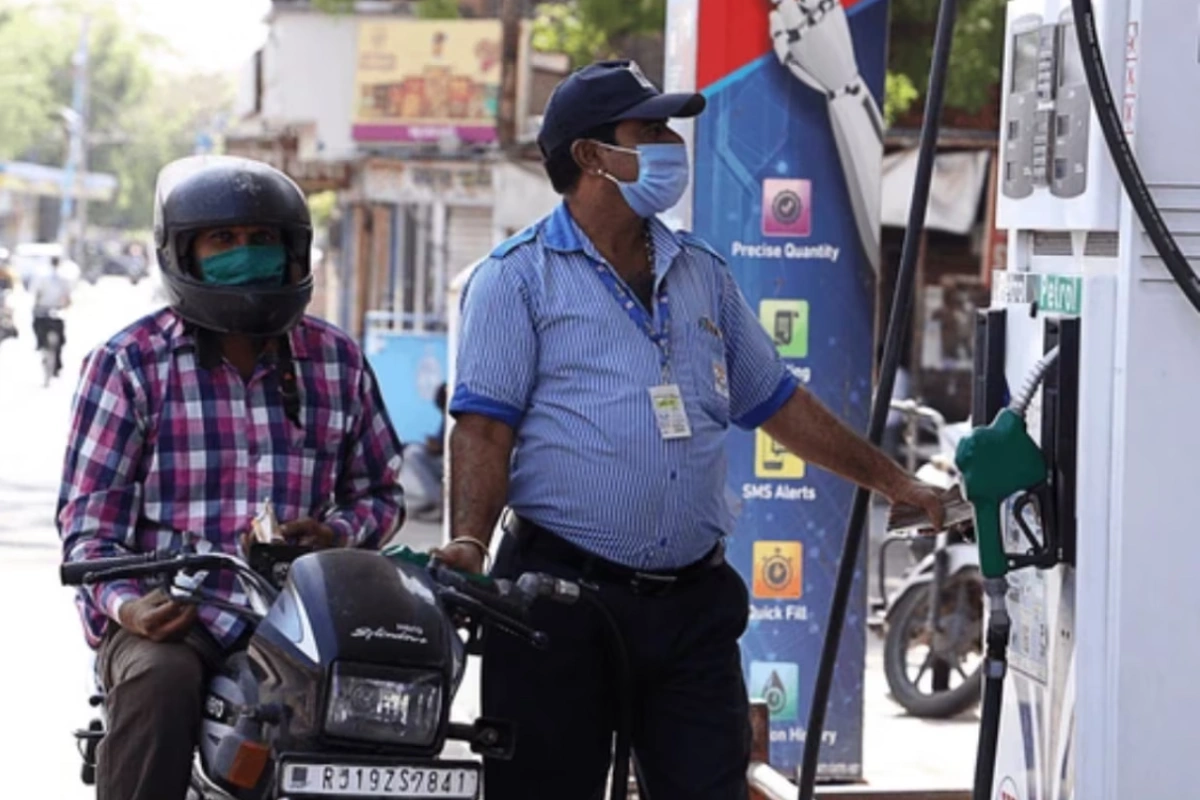
India’s top court has put forward a bold fix for a problem that has quietly grown for years: millions of vehicles running on the roads without valid insurance. The Supreme Court has proposed linking fuel supply to valid vehicle insurance as part of a pilot project aimed at tackling the large number of uninsured vehicles on Indian roads.
DON'T MISS
Why the Court Stepped In
The Court said 56% of vehicles on Indian roads are uninsured and directed that mandatory third-party insurance for new cars be increased from three to four years and for new two-wheelers from five to six years. The bench referred to a parliamentary committee report stating that 16.54 crore of the country’s 30.48 crore registered vehicles are uninsured, and noted that India records more than 4.8 lakh road accidents every year, reiterating that road safety is an integral facet of the right to life under Article 21 of the Constitution.
How the “No Fuel” Rule Would Work
The court asked the Insurance Regulatory and Development Authority of India, in consultation with the Ministry of Road Transport and Highways, to develop a pilot project linking the sale of fuel to a vehicle’s insurance status, under which vehicles without valid insurance would be denied fuel at petrol pumps until insurance is renewed. Notably, the Ministry of Petroleum and Natural Gas has, in principle, no objection to the proposal.
A Policy Still Being Worked Out
While the intent behind the move is clear- road safety and faster accident compensation- its execution raises practical questions. Petrol pumps across India, many in remote or rural areas, would need real-time systems to verify insurance status at the point of sale, and enforcement consistency across states remains untested.