


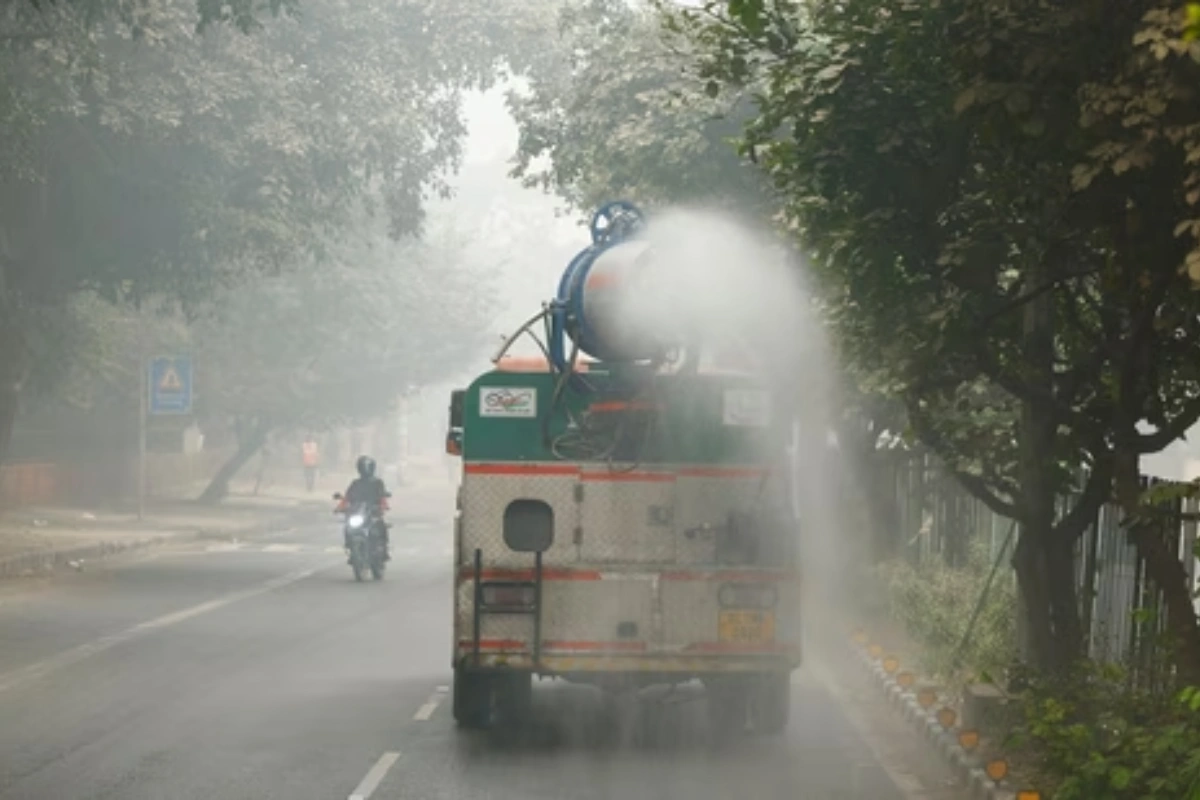
Delhi Pollution: Delhi continues to choke under severe air pollution, with the Air Quality Index (AQI) hovering in the “very poor” to “severe” category across multiple monitoring stations. Despite the enforcement of GRAP (Graded Response Action Plan) curbs, residents report little relief as smog blankets the city.
According to official data, low wind speed, temperature inversion, and high emissions from vehicles and construction activities are major contributors to the persistent pollution.
DON'T MISS
Why GRAP Curbs Have Limited Impact
While GRAP restrictions include bans on construction work, limits on diesel generators, and vehicle-related curbs, experts say these measures are reactive rather than preventive. Pollution levels often spike before restrictions fully take effect, reducing their immediate impact.
Additionally, emissions from neighbouring states, combined with local sources such as traffic congestion and road dust, continue to worsen air quality.
Public Health Concerns Grow
Doctors have warned of a sharp rise in respiratory issues, eye irritation, and asthma-related complications, particularly among children and the elderly. Health advisories urging people to avoid outdoor activity have become routine during peak pollution days.
How Can Delhi’s AQI Improve?
Experts emphasise that long-term structural changes, not temporary restrictions, are key to improving Delhi’s air quality. Some crucial steps include:
- Stricter vehicle emission norms and faster transition to electric mobility
- Permanent control of construction dust through on-site enforcement
- Expansion of green cover and urban forests
- Better coordination with neighbouring states to control stubble burning
- Improved public transport infrastructure to reduce private vehicle usage
Environmentalists also stress the need for year-round action plans, instead of seasonal responses during winter months.
The India Meteorological Department (IMD) suggests that light winds and foggy conditions may keep pollution levels high in the coming days. Unless weather conditions improve or stronger preventive measures are implemented, Delhi’s air quality is unlikely to see immediate recovery.