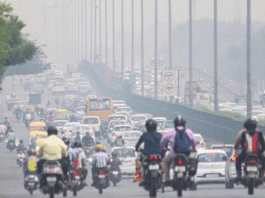
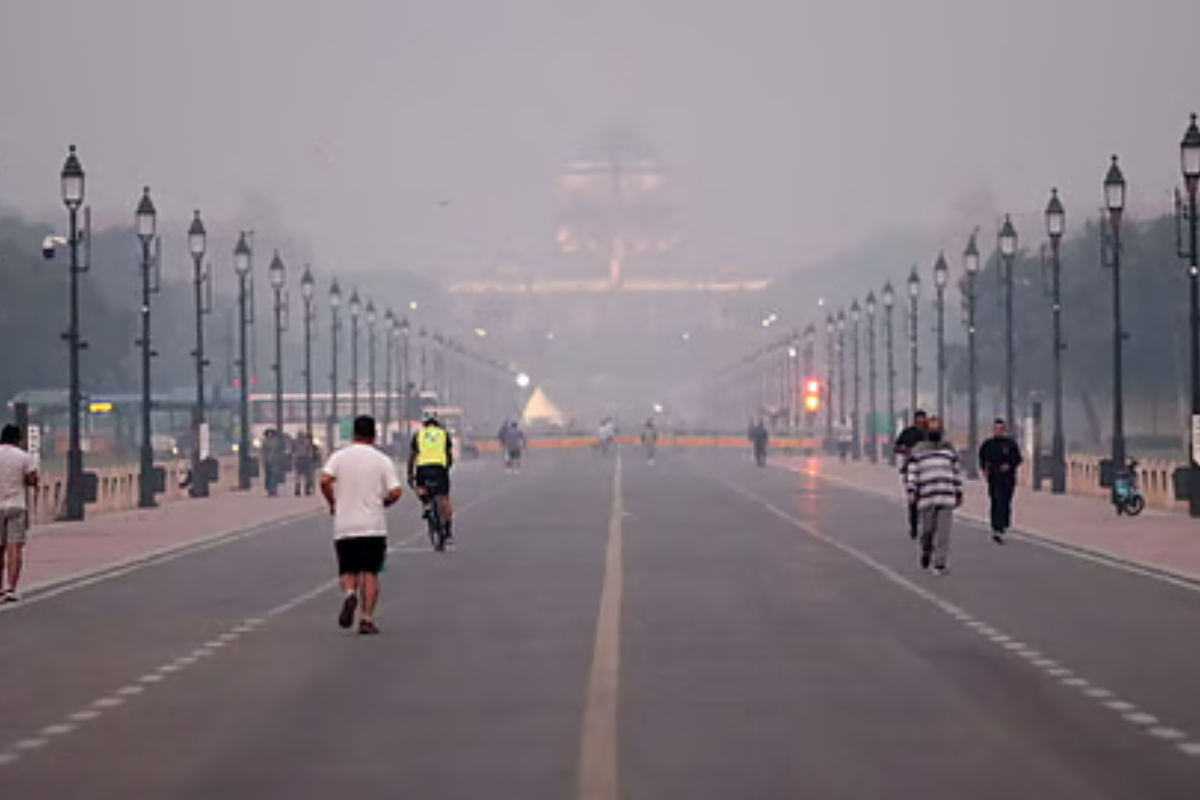
Delhi Air Quality Index: Delhi’s air quality started another heated discussion across the country about what to do. Is the smog really harmful, or are global standards making people freak out for no reason? This week, the Union government said again that the WHO’s air quality rules are only suggestions and that India bases its decisions on the National Ambient Air Quality Standards (NAAQS), which are based on science.
DON'T MISS
Two Ways to Do It
The WHO has some of the world’s strictest pollution limits, especially for PM2.5 and PM10. Indian officials say these rules don’t take into account India’s geography, a climate full of dust, agricultural cycles, and emissions by area.
India’s NAAQS is based on the country’s environmental needs, which makes it more open and still protects health.
But critics say that could make the government too comfortable with the way things are, especially since smog clearly gets worse every winter.
Crisis or Overreaction?
There are two main stories on social media:
Pollution gets too much attention, especially when looking at places in Europe with different weather.
The government is minimising the disaster by pointing out that the WHO was only giving advice instead of recognising that health problems are getting worse.
What Is Really Going on in Delhi is trapped
Delhi Air Quality Index: No matter what, Delhi’s air is clearly dirty and bad for health. This is true whether or not it is an advisory or whether it is judged by international or national standards. The argument over the numbers takes away from the urgent need to reduce stubble burning, building dust, and vehicle emissions, experts say.