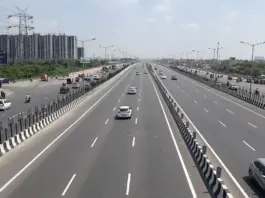
Delhi Dehradun Expressway: The Delhi–Dehradun Expressway is set to transform travel between Delhi and Uttarakhand’s hill stations. Covering 210 km and designed for speeds up to 100 km/hr, this massive ₹12,000 crore project promises to reduce travel time. What previously took 6–7 hours may soon take just 2–2.5 hours, making Dhanaulti and Dehradun easily accessible for commuters and tourists alike.
High-Speed Travel: Delhi to Dehradun Like Never Before
The expressway is a multi-lane, access-controlled corridor starting near Akshardham, Delhi and crossing through Baghpat, Baraut, Shamli, Saharanpur, and finally reaching Dehradun, Uttarakhand.
- Total Length: 210 km
- Top Speed: 100 km/hr
- Project Cost: ₹12,000 crore
With its smooth lanes and modern design, the expressway promises a fast, safe, and comfortable drive.
DON'T MISS
Key Features of the Expressway
Modern Infrastructure & Amenities
The expressway is designed for convenience and safety:
- 6–12 lanes, depending on the section
- Parking & rest areas for breaks
- EV-friendly parking for electric vehicles
- Food kiosks, PUC centres, and washrooms along the route
Wildlife-Friendly Design
A 12 km elevated wildlife corridor has been constructed near Rajaji National Park. This includes underpasses for animals to move safely, making it the longest such corridor in Asia.
Controlled Access & Smooth Flow
Being access-controlled, the expressway will reduce congestion and minimize accidents, providing a signal-free, uninterrupted travel experience.
Travel Time: From Long Journey to Quick Drive
- Current Travel Time: 6–7 hours from Delhi to Dehradun
- Expected Travel Time: 2–2.5 hours once fully operational
This drastic reduction in travel time makes weekend getaways and emergency trips much easier.
Why This Expressway is a Game-Changer
- The Delhi–Dehradun Expressway is a game-changer, significantly reducing journey time and making travel faster and more convenient.
- It boosts tourism by providing easier access to popular hill stations like Dhanaulti and Mussoorie.
- The expressway also has a positive economic impact, attracting more visitors and creating business opportunities along the route.
- With its multi-lane design, wildlife corridors, and modern amenities, it enhances commuter safety.
- It helps reduce congestion by diverting traffic from older, narrower highways.