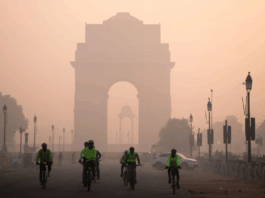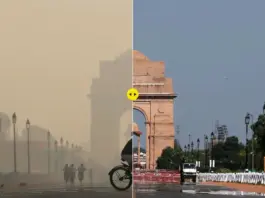
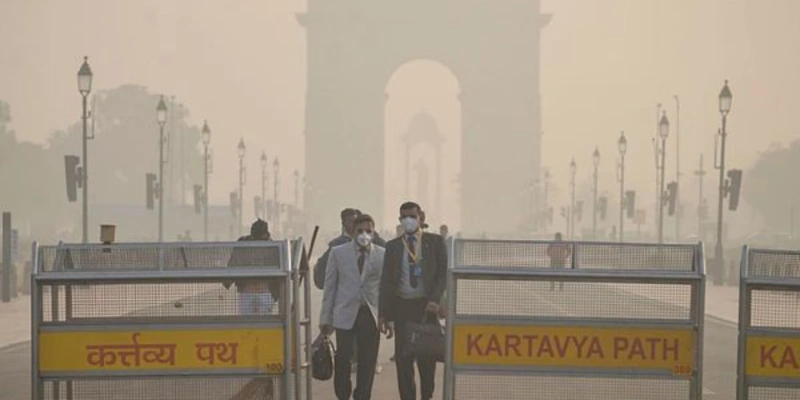
Delhi continues to face a significant air quality crisis due to extreme cold temperatures mixed with toxic pollutants, which have resulted in a reduced amount of visibility as well as increased levels of pollution (the city’s air quality index [AQI] is now greater than 400, which is considered dangerously polluted). The situation has also been aggravated by a prolonged cold wave that is now affecting most of the northern part of India, including Delhi.
DON'T MISS
Visibility Drops Sharply Across the City, AQI Remains in ‘Severe’ Category
Central, South and East Delhi experienced extremely low levels of visibility this morning. Reports indicate that many vehicles were moving slowly because the air quality has been so poor, and heavy amounts of traffic congestion have occurred throughout Delhi on the major thoroughfares in the city due to the combination of dense fog and pollution.
Based on data from several different air monitoring stations, we can see that the level of pollution in Delhi has remained at a “very severe” level and that there are still a number of areas located throughout the city that have recorded AQI levels greater than 400. The concentrations of PM2.5 and PM10 particles continue to represent a major health risk to the citizens of Delhi, especially to young children and elderly persons suffering from respiratory diseases. The IMD has issued an orange alert, warning of continued cold wave conditions along with dense fog over the next few days.
Airlines Warn Passengers of Possible Disruptions
Several airlines issued advisories cautioning passengers about potential flight delays and diversions. Travellers were advised to check flight status before heading to the airport. Authorities have urged residents to follow health advisories, use masks, and limit exposure to polluted air. Measures under the Graded Response Action Plan (GRAP) remain in force.