


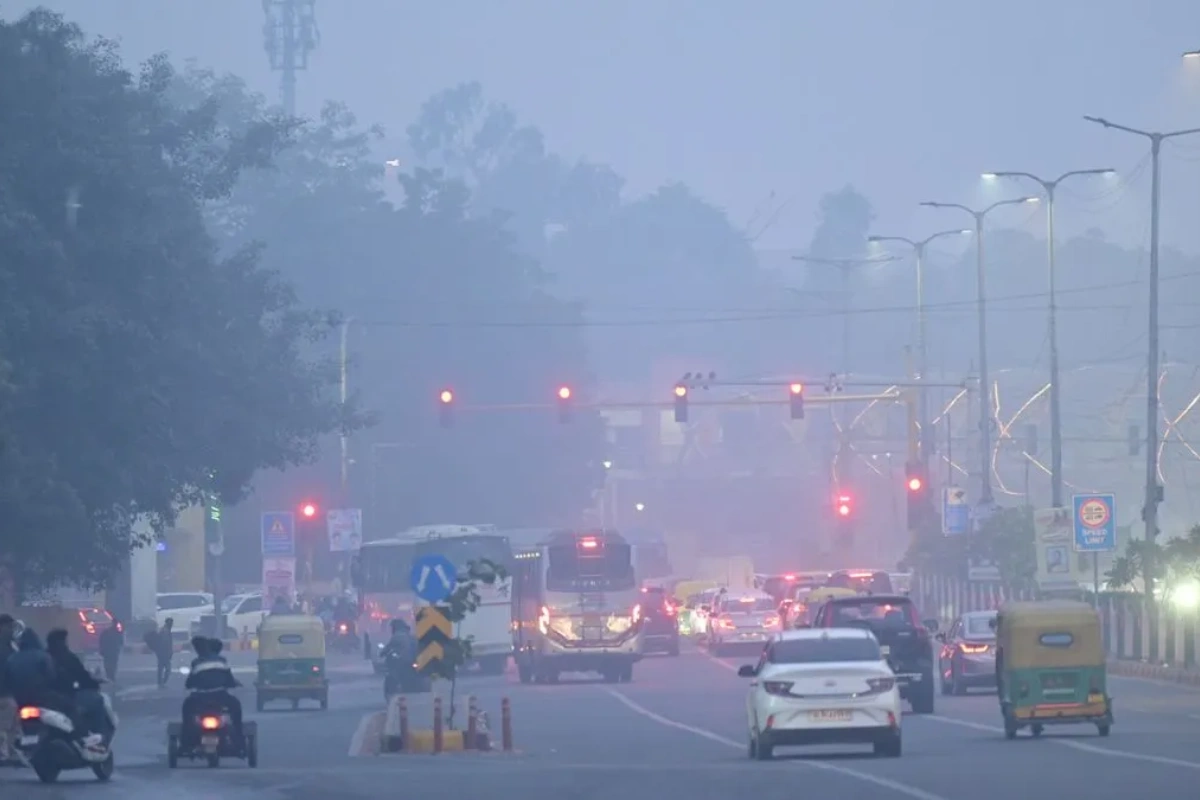
Delhi Pollution: Delhi experiences severe winter pollution due to traffic, construction dust, stubble burning, and meteorological conditions. Because curbs are imposed late, they provide little relief, underscoring the need for timely, long-term solutions.
Why Does Delhi’s Air Quality Deteriorate Every Year?
Delhi’s pollution problem is not sudden or accidental. It is the result of multiple factors that come together every winter. Vehicular emissions remain a major contributor, with millions of cars on the roads every day. Construction activities generate substantial dust, while industrial emissions further degrade air quality..
DON'T MISS
Curbs Imposed by Authorities to Control Pollution
As air quality deteriorates, authorities implement emergency measures such as banning construction, restricting heavy vehicles, closing schools, implementing odd-even traffic rules, limiting firecrackers, and encouraging work-from-home to reduce pollution.
Why Have These Measures Failed to Bring Relief?
The biggest concern is that most pollution control measures are reactive rather than preventive. By the time curbs are imposed, air quality has already reached dangerous levels. Implementation is often not subject to strict monitoring, resulting in poor compliance on the ground.
Impact of Toxic Air on Public Health
Delhi’s polluted air causes serious health problems beyond everyday discomfort. Long-term exposure increases the risk of respiratory and heart diseases, especially for children, the elderly, and people with existing illnesses. Hospitals report increased asthma and bronchitis cases during periods of high pollution, turning what was once an environmental concern into a significant public health emergency.
Is It Too Little, Too Late?
Government actions are essential but insufficient on their own. Short-term restrictions cannot fix a problem that needs long-term solutions. Better public transport, wider use of electric vehicles, improved waste management, sustainable alternatives to stubble burning, and greener urban planning are essential.