

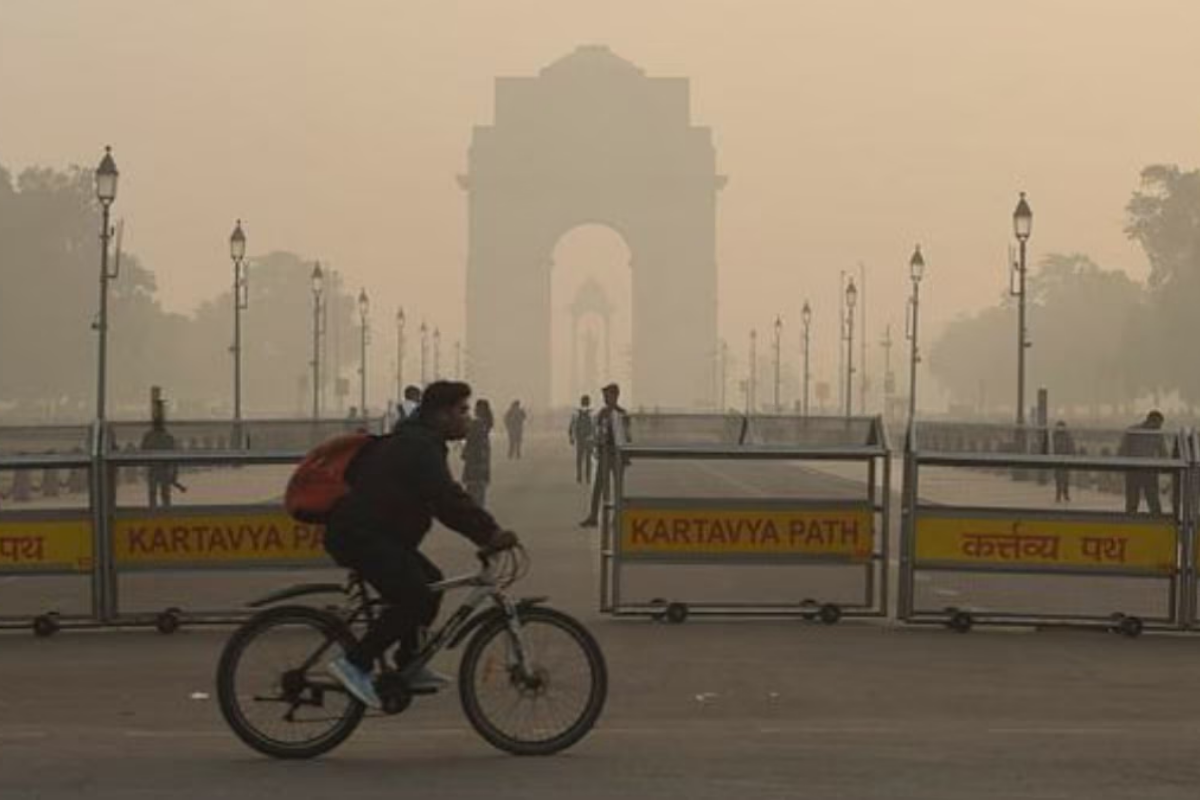
Delhi’s pollution crisis is no longer limited to roads, markets, and construction zones. A growing body of evidence suggests that indoor spaces in Delhi homes are heavily influenced by outdoor air pollution, challenging the long-held belief that staying indoors offers protection from toxic air.
Indoor Air Not as Safe as Believed
Recent assessments and monitoring data indicate that fine particulate matter, PM2.5, easily infiltrates homes through doors, windows, ventilation systems, and structural gaps. In many Delhi neighbourhoods, indoor pollution levels mirror outdoor air quality during peak pollution months.
Experts say sealed buildings and constant airflow allow pollutants from traffic, industrial emissions, and crop-burning residue to seep inside, making indoor environments far from safe.
DON'T MISS
Health Risks Extend Beyond the Streets
The presence of polluted air indoors increases prolonged exposure, especially for vulnerable groups such as children, the elderly, and people with respiratory conditions. Since individuals spend nearly 80–90% of their time indoors, continuous exposure to polluted air at home may heighten risks of asthma, heart disease, lung infections, and reduced immunity.
Doctors warn that indoor exposure often goes unnoticed, delaying preventive steps and medical intervention.
Air Purifiers Help, But Aren’t a Complete Solution
While air purifiers have become common in Delhi households, experts caution that they are only a partial solution. Purifiers are effective in closed rooms but lose efficiency in larger or poorly insulated homes. Additionally, not all households can afford high-quality filtration systems.
Simple steps such as sealing windows, improving ventilation design, using exhaust fans wisely, and avoiding indoor pollutants like incense smoke can help reduce exposure.
Policy Gaps and Public Awareness
Environmental specialists argue that pollution control policies continue to focus largely on outdoor mitigation, with limited emphasis on indoor air quality standards. Public awareness around indoor pollution remains low, despite its serious health implications.
Urban planners and policymakers are increasingly calling for building-level interventions, improved housing designs, and stricter air quality norms that address indoor exposure.
A Wake-Up Call for Delhi Residents
The idea that homes provide refuge from Delhi’s polluted air is being challenged. As outdoor pollution continues to breach safe limits, indoor environments are proving equally vulnerable, forcing residents to rethink how safe their living spaces truly are.