


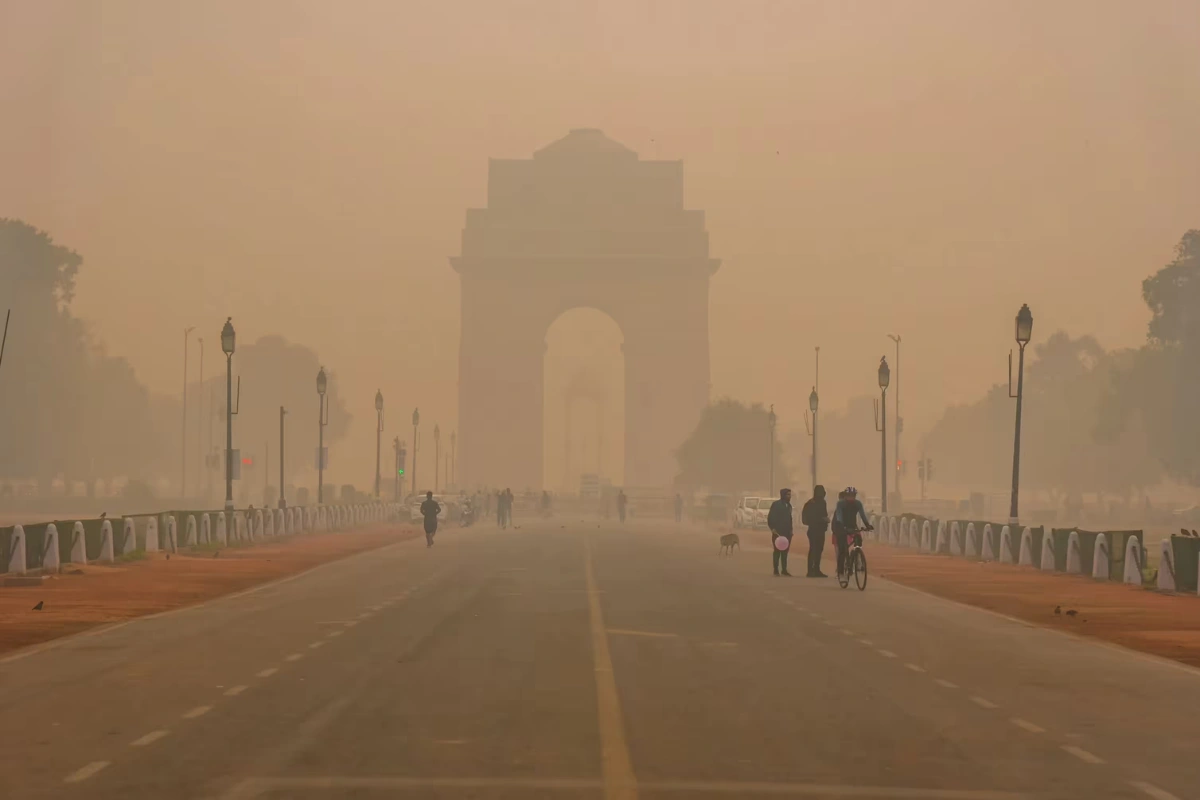
Delhi Pollution: Due to a mix of heavy winter fog, feeble breezes, and increasing emissions from automobiles and factories, Delhi is once again experiencing extreme air pollution.
How Dense Winter Fog and Weak Winds Affect Air Quality?
Delhi’s dense winter fog keeps pollution near the ground, and the city’s feeble winds are unable to remove dangerous particles. This combination results in smoggy circumstances that impair outdoor visibility and make breathing difficult.
DON'T MISS
AQI Close to Severe
The air is extremely dangerous, particularly for young children, the elderly, and those with respiratory conditions, as the AQI approaches the severe level.
Impact on Air Traffic and Daily Life
In addition to posing a health risk, the heavy fog and pollution significantly interfere with day-to-day activities. Low visibility has caused several planes to be delayed, and traffic is moving more slowly than usual on the highways.
5 Simple Ways to Keep Your Lungs Healthy
Restrict Outdoor Activities During Hours of High Pollution
When pollution is at its greatest, stay inside in the early morning and late at night. If you must go outside, stay away from construction sites and busy highways where pollution is concentrated.
Put on safety masks
To filter out dangerous particles, use a high-quality N95 or N99 mask. Particularly when the AQI reaches extreme levels, make sure it fits tightly over your mouth and nose.
Keep the Air Inside Clean
Purchase an air purifier for your house, particularly for the living rooms and bedrooms. When the outside air quality is bad, keep your windows closed.
Stay Hydrated and Eat Lung-Friendly Foods
To aid in the removal of toxins from your body, drink lots of water. To lessen lung inflammation, eat more fruits, vegetables, and green tea.
Engage in breathing exercises
Simple breathing techniques that strengthen your lungs and increase oxygen intake include alternate nostril breathing, pranayama, and deep diaphragmatic breathing.