


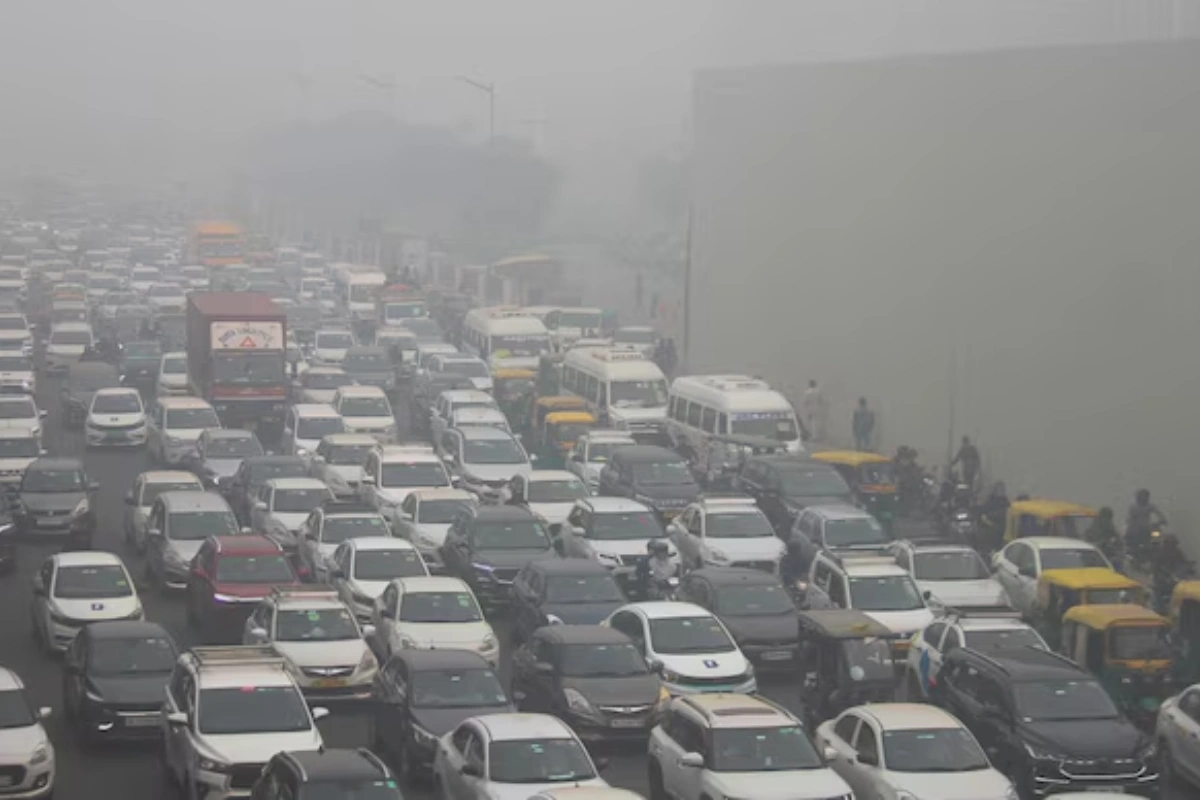
Delhi Pollution: Delhi is facing a severe air pollution crisis as it records its second dirtiest December day, with AQI entering the Severe Plus category, raising health concerns and prompting emergency measures.
Air Quality Reaches Hazardous Levels
On this day, Delhi’s AQI soared past 400, reaching the Severe Plus category. Dense smog reduced visibility, making commutes difficult, while winter cold and smoke from nearby crop-burning exacerbated the pollution.
DON'T MISS
Impact on Daily Life and Traffic
The pollution surge has significantly affected vehicular traffic in the city. Roads witnessed slow-moving traffic as drivers struggled with poor visibility. Several authorities have advised citizens to avoid unnecessary travel and use masks when stepping outdoors. Schools in certain areas were also asked to limit outdoor activities for children due to health risks.
Disruption in Flights and Transportation
Airports in and around Delhi experienced delays as flights were rescheduled or delayed due to low visibility from smog. Commuters relying on air travel had to adjust their schedules, while public transport services operated overtime to manage increased road congestion.
Health Advisory for Residents
Health experts warn that prolonged exposure to hazardous air can cause respiratory issues, eye irritation, and fatigue, especially for children, older adults, and people with underlying health conditions. Residents are advised to stay indoors, use air purifiers, and avoid outdoor activities until air quality improves.
Measures Taken by Authorities
In response to the crisis, authorities are monitoring air quality levels closely and implementing emergency measures. Water sprinkling on roads, restrictions on construction activities, and advisories on reducing vehicular emissions have been issued. The government continues to urge citizens to minimize outdoor exposure and follow health guidelines strictly.