


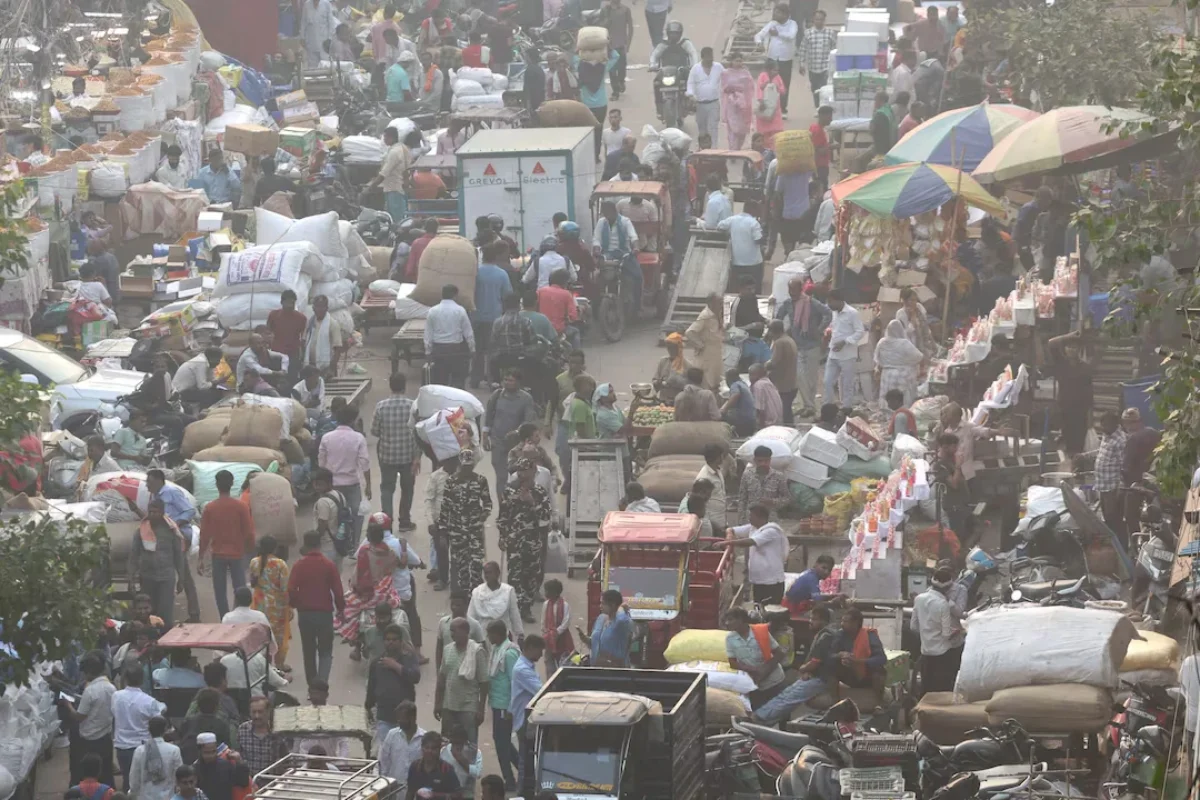
The air quality in Delhi continued to be dangerously poor the morning after Diwali. The Diwali revelry brought more and more firecrackers, worsening the already-than-average pollution. This rising level of pollution has become a cause of concern for several, especially those who are asthmatic or have difficulty in breathing or lung-related illnesses. The AQI hitting the severe range in many parts of the country has caused residents to be instructed to be mindful and restrict the time they spend outside to avoid breathing in polluted air.
Severe AQI in Delhi even after Diwali
Air quality in Delhi worsened considerably after the Diwali festivities. The problem escalated further with smoke from firecrackers, pollution from vehicles, construction material dust, and other pollutants. Air pollution can make a person’s breathing uncomfortable and even irritate the lungs. In areas with a lot of air pollution, air may be difficult to see through, and fog may be observed.
DON'T MISS
Why Is Post-Diwali Pollution Dangerous For Lung Patients?
The presence of high levels of PM2.5 and PM10 in the air is a concern for public health. These smaller particles can get into the lungs and irritate the airways. For crying, coughing, chest tightness, wheezing, breathing, and expression. Those with current respiratory issues may notice symptoms like cough, wheeze, chest tightness, and difficulty breathing. Even in people without current respiratory issues, these studies can include throat irritation, watery eyes, and unease.
How can you protect your lungs during high pollution?
There are a few simple steps residents can take to keep themselves exposed to as little polluted air as possible.
- Don’t work out, jog, or cycle outdoors during peak pollution hours.
- If you do leave the house, ensure that you have an N95 mask and they fit well. Do not allow polluted outdoor air to enter your living space.
- Consider a HEPA air purifier that minimizes airborne contaminants indoors.
- Avoid cigarettes, incense smoke, and other sources of indoor air pollution.
- Asthma patients and those with lung conditions should adhere to their prescribed medications and keep their emergency medicines nearby.
- Drink adequate water to stay hydrated and to help soothe and ease irritation.
What Should Lung Patients Do If Breathing Problems Increase?
People with pre-existing respiratory problems should be especially cautious during periods of very high air pollution. Seek urgent medical advice if symptoms deteriorate. Seek urgent medical help if your breathing problems are severe, you experience chest pain, or if you develop confusion or blue lips. Do not increase your doses of medication unless recommended by your doctor.