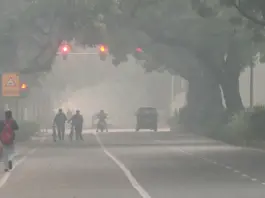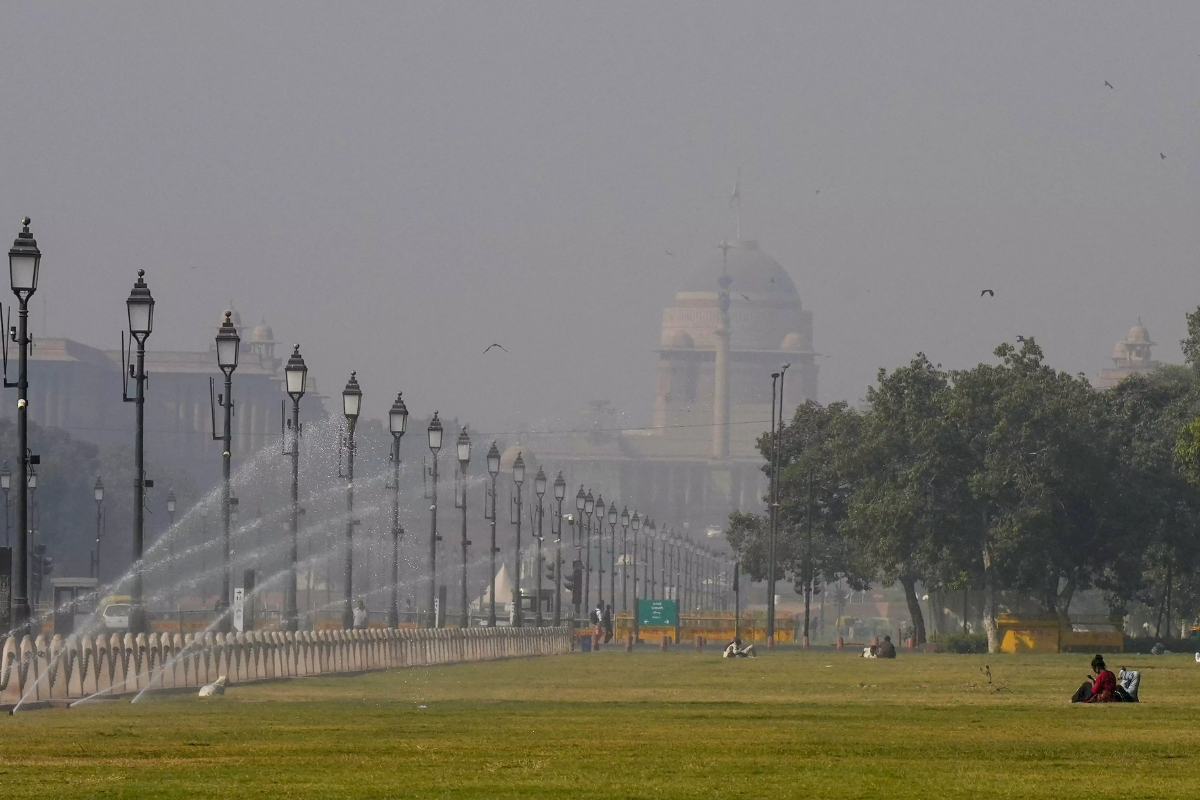
Delhi Pollution: Delhi has once again found itself under a thick blanket of smog as air pollution levels surged to their worst in nearly two years. Several monitoring stations across the national capital reported AQI readings in the very poor to severe category, making it difficult for residents to breathe and triggering health advisories.
DON'T MISS
The sharp rise in pollution has disrupted daily life, with schools issuing warnings, outdoor activities reduced, and hospitals reporting an increase in respiratory complaints.
What Triggered the Sudden AQI Spike?
Experts point to a combination of factors behind the deteriorating air quality. Low wind speed, temperature inversion, and high moisture levels have trapped pollutants close to the ground. Vehicular emissions, construction dust, and industrial pollution continue to add to the toxic mix.
Seasonal stubble smoke from neighbouring regions has also contributed, compounding Delhi’s long-standing air pollution problem.
Health Impact on Delhiites
Doctors warn that prolonged exposure to polluted air can aggravate asthma, bronchitis, and heart-related conditions. Children, senior citizens, and those with pre-existing illnesses are particularly vulnerable. Authorities have advised residents to avoid outdoor exercise and use masks when stepping out.
What Does the IMD Say About the Coming Days?
According to the India Meteorological Department (IMD), weather conditions are expected to play a crucial role in determining air quality trends. The absence of strong winds and rainfall may allow pollution levels to remain elevated in the short term. However, any western disturbance or increase in wind speed could bring temporary relief by dispersing pollutants.
IMD has also indicated that fluctuating temperatures and foggy mornings may continue to worsen visibility and air quality.
Government Measures and Restrictions
In response to the crisis, authorities are considering stricter implementation of pollution control measures, including limits on construction activity, traffic restrictions, and enforcement of emission norms. Citizens are urged to cooperate and reduce private vehicle usage.