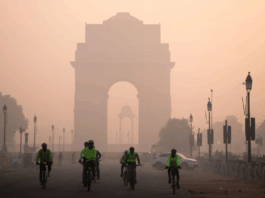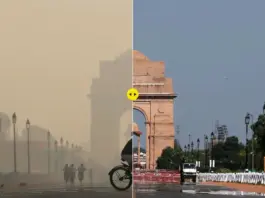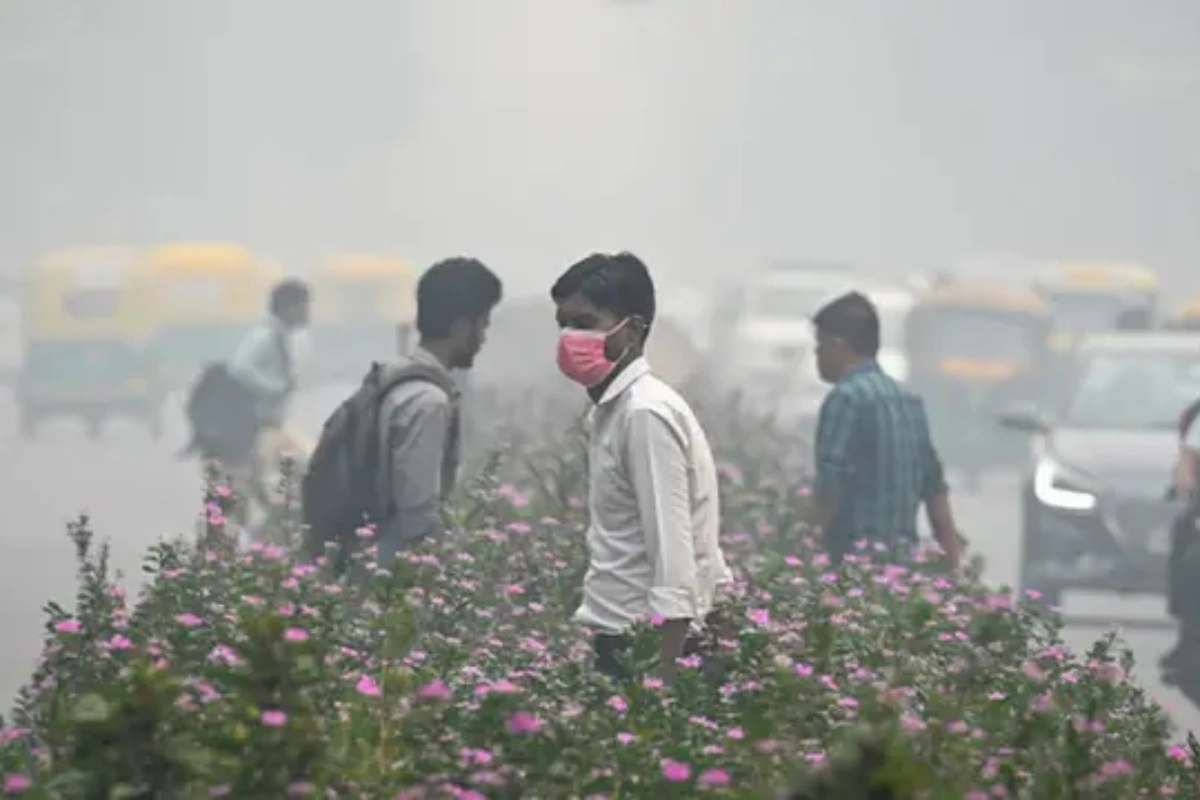
Delhi Pollution: Delhi is dealing with very bad smog and rising air pollution levels again, which makes it hard for people all over the city to live their lives. The Air Quality Index (AQI) has gone above the “very poor” and “hazardous” levels in some places, which is worrying because of the possible effects on people’s health now and in the future. A lot of people are having trouble with their plans because of the dense fog that makes it hard to see, slows down traffic, and affects planes at Indira Gandhi International Airport.
DON'T MISS
Health Risks That Come With Living in a Very Polluted Area
Doctors say that staying in an area with bad air for a long time can make breathing problems worse, including asthma, bronchitis, and chronic obstructive pulmonary disease (COPD). At risk are especially vulnerable groups such as seniors, children, and people who already have certain illnesses. Residents also commonly report having headaches, eye discomfort, and tiredness.
Why Delhi Has Smog
Delhi’s air quality is getting worse because of changes in the weather, dust from buildings, chemicals from cars, and pollutants from factories. When the air is cold and not moving, it traps these pollutants near the ground and makes the smog worse. Environmentalists say that burning leftover crops in nearby states also raises the amount of particulate matter, making things even worse.
Steps to Take to Lower Health Risks
During the early morning and late evening, people should spend less time outside, according to health experts and authorities. Wearing N95 masks, using air filters indoors, and drinking enough water can help keep people healthy. Following government advice under the Graded Response Action Plan (GRAP), like limiting building and heavy vehicles, can help reduce pollution.
When will the people who live there get relief?
Weather reports say that changes in wind patterns or rain may make the air cleaner for a short time. But for long-term improvement, it relies on stricter emission norms, encouraging public transportation, and regional cooperation to control stubble burning.