
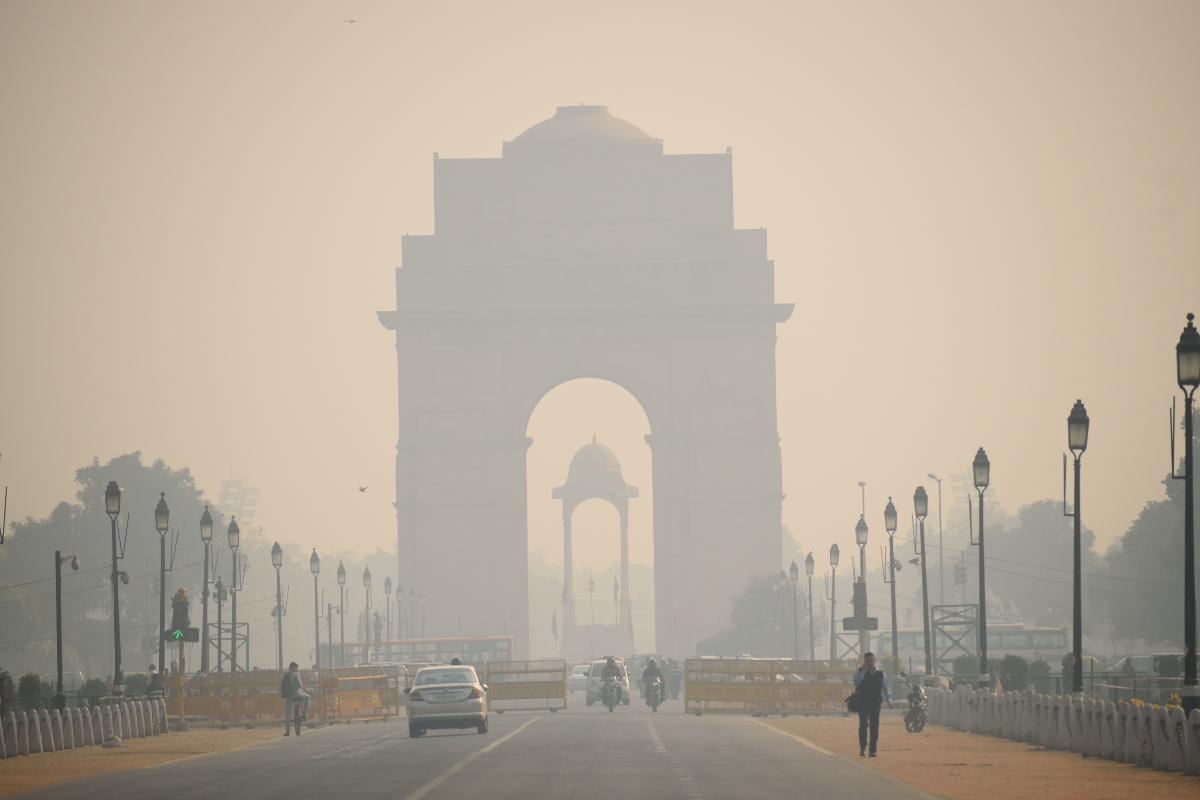
Anti-pollution restrictions under Stage 3 of the Graded Response Action Plan (GRAP) have been reimposed in Delhi-NCR after a sharp deterioration in air quality, with pollution levels rising to the ‘very poor’ to ‘severe’ category in several areas.
Delhi-NCR as Air Pollution Levels Worsen
Authorities took the decision following a spike in AQI levels, attributed to unfavourable weather conditions, low wind speed, and increased emissions from vehicles, construction activities, and industrial sources.
What GRAP Stage 3 Restrictions Mean
With the enforcement of GRAP Stage 3, the following measures have come into effect across Delhi-NCR:
- Ban on non-essential construction and demolition activities
- Restrictions on diesel-powered vehicles, except those used for essential services
- Industries using unapproved fuels to remain shut
- Enhanced checks on vehicular emissions
- Increased use of mechanised road sweeping and water sprinkling
- Advisory for schools and institutions to limit outdoor activities
Government agencies have been directed to strictly ensure compliance, with special teams deployed to monitor violations.
Rising Health Concerns
Health experts have warned that prolonged exposure to high pollution levels can lead to respiratory issues, eye irritation, cardiovascular problems, and increased vulnerability for children and the elderly. Residents have been advised to avoid outdoor exertion, use masks, and follow health advisories.
Authorities on Alert
Environmental monitoring agencies are closely tracking air quality trends. Officials stated that further restrictions could be imposed if pollution levels continue to rise, while a rollback will depend on sustained improvement in AQI readings.
The reimposition of GRAP Stage 3 once again highlights the persistent air pollution challenge in Delhi-NCR, especially during winter months, and the urgent need for long-term, sustainable solutions.