

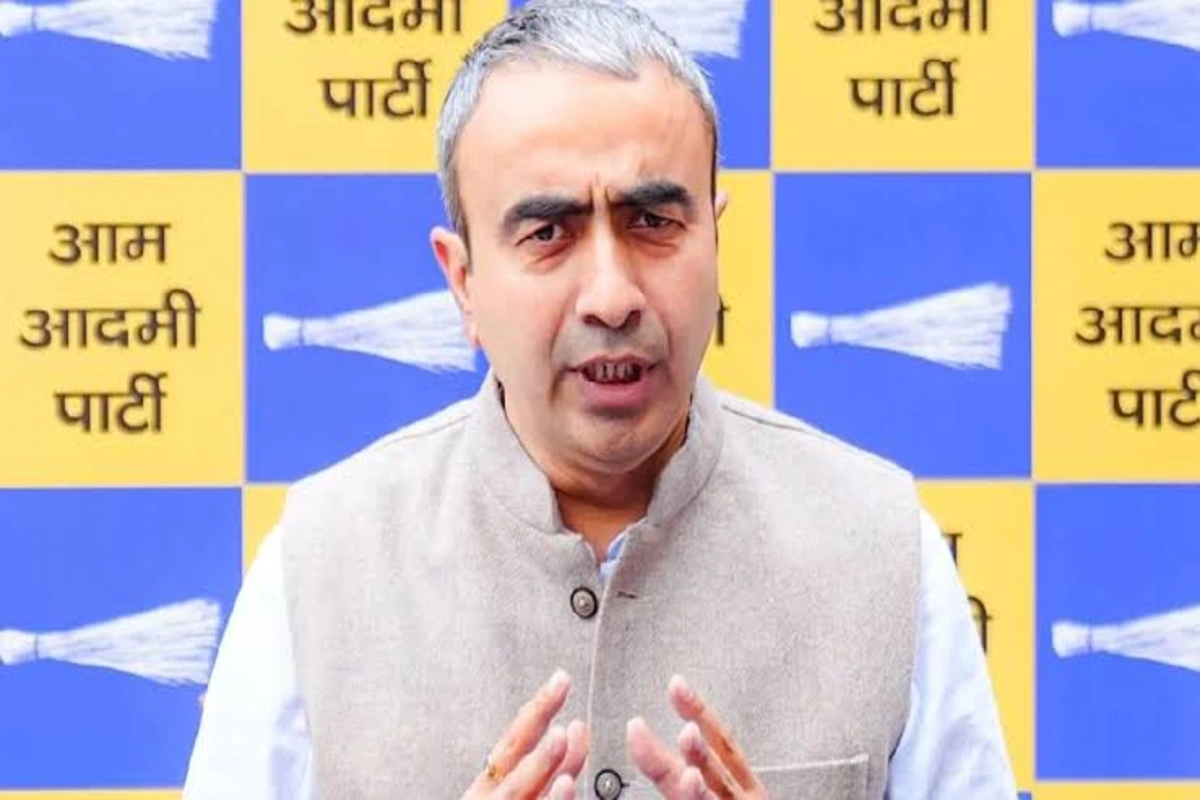
Aam Aadmi Party (AAP) leader Anurag Dhanda has once again launched a sharp attack over the Indore water tragedy, taking direct aim at senior BJP leader and Madhya Pradesh minister Kailash Vijayvargiya. Referring to the issue of contaminated drinking water in Indore’s Bhagirathpura area, Dhanda questioned the sensitivity and accountability of those in power.
The water contamination crisis in Indore has triggered nationwide concern, with reports of deaths allegedly linked to toxic water consumption. While the Madhya Pradesh government claims to be accelerating action, the opposition continues to corner the BJP over governance failures. In this backdrop, Anurag Dhanda has emerged as one of the most vocal critics of the state government’s handling of the tragedy.
DON'T MISS
Anurag Dhanda Shares Video, Launches Direct Attack
Sharing a video clip on social media platform X, Dhanda criticised Minister Kailash Vijayvargiya for what he termed as a “shocking lack of concern” during a public crisis. In the video, Vijayvargiya is seen asking an aide to bring gajak, a traditional sweet, while locals were reportedly protesting over unsafe drinking water.
In his post, Anurag Dhanda wrote:
“इंदौर शहर में लोग ज़हरीला पानी पीकर मर रहे हैं, लेकिन अमित शाह के मित्र व ‘घंटा मंत्री’ कैलाश विजयवर्गीय को गजक खाने की पड़ी है।”
The tweet quickly gained traction, sparking political debate and drawing strong reactions on social media.
Consistent Criticism of BJP Over Public Welfare Issues
This is not the first time Dhanda has raised his voice on public interest issues. Earlier, he had strongly criticised the BJP-led governments over Delhi’s pollution crisis and later linked it to the Indore water tragedy, accusing the ruling party of systemic neglect and governance failure.
By repeatedly highlighting these issues, Dhanda has positioned himself as a vocal opposition leader questioning accountability at both the Centre and state levels. His latest remarks have once again intensified political heat around the Indore water crisis, keeping the issue firmly in public discourse.