

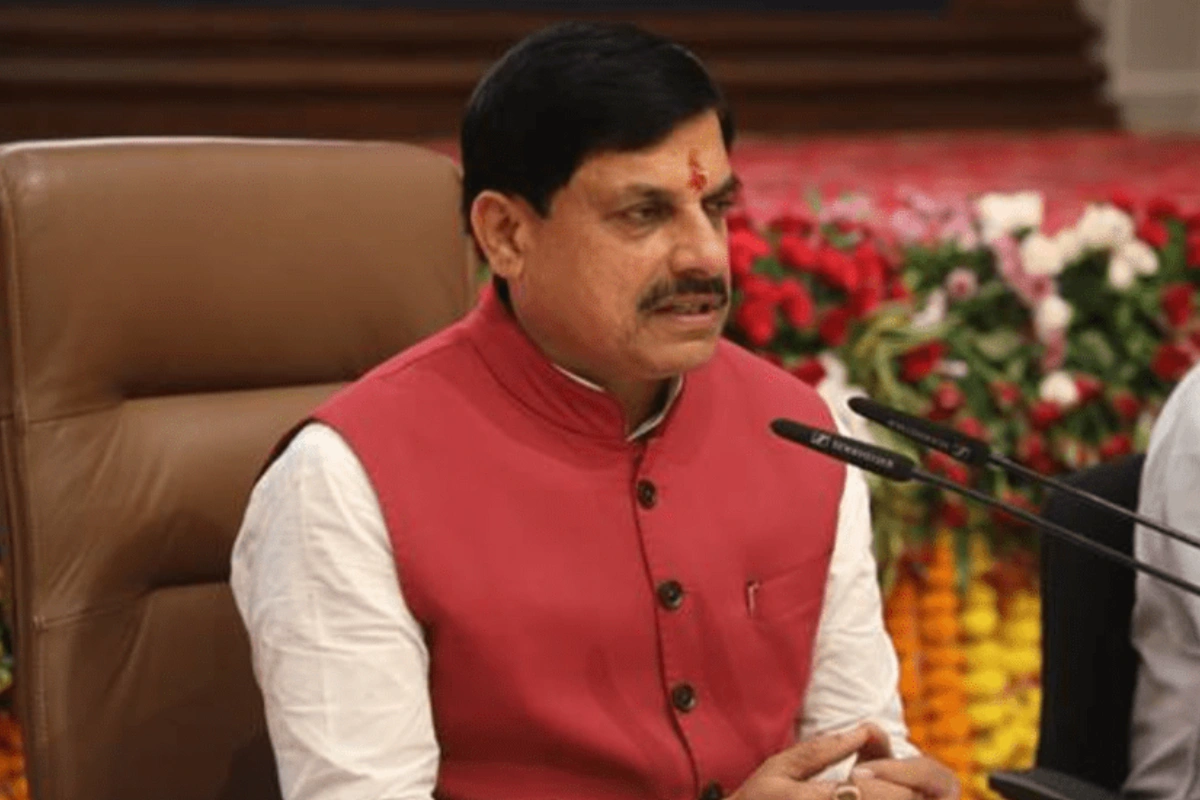
Madhya Pradesh is advancing its nutrition agenda under the Poshan 2.0 mission, with Chief Minister Mohan Yadav highlighting key efforts to improve health outcomes, especially for women and children.
The initiative aligns with the broader goal of building a well-nourished and healthy population through targeted interventions.
Mohan Yadav: Large-scale outreach under Poshan 2.0
https://twitter.com/i/status/2042825725619900516
DON'T MISS
Under the Poshan 2.0 programme, nearly 8.97 crore beneficiaries are being covered across the country. The initiative focuses on addressing malnutrition through integrated nutrition services. Officials stated that the scale of the programme reflects the government’s commitment to strengthening public health systems.
Extensive network of Anganwadi centres
Across India, more than 14.03 lakh Anganwadi centres are operational, forming the backbone of nutrition delivery at the grassroots level. These centres play a critical role in providing supplementary nutrition, health monitoring, and early childhood care.
Authorities noted that the reach of Anganwadi services ensures last-mile connectivity.
Workforce driving the mission forward
Over 13.36 lakh Anganwadi workers are actively engaged in implementing the scheme. Their role includes monitoring child growth, delivering nutrition services, and raising awareness among communities.
Officials emphasized that this workforce is central to the success of the mission.
Digital training for Anganwadi workers in Madhya Pradesh
In Madhya Pradesh, 97,882 Anganwadi workers have been trained using the Poshan Tracker app. The digital platform helps in real-time monitoring and efficient service delivery. Authorities believe that technology integration enhances transparency and effectiveness.
Focus on growth monitoring and child health
Each Anganwadi centre in the state is being equipped with Growth Monitoring Devices (GMD). These tools help track the physical development of children and identify cases of malnutrition early.
Officials stated that timely intervention is crucial for improving health outcomes.
Technology-driven governance approach
The use of digital tools like the Poshan Tracker reflects a shift towards tech-enabled governance. It allows better data collection, monitoring, and targeted policy implementation.


