


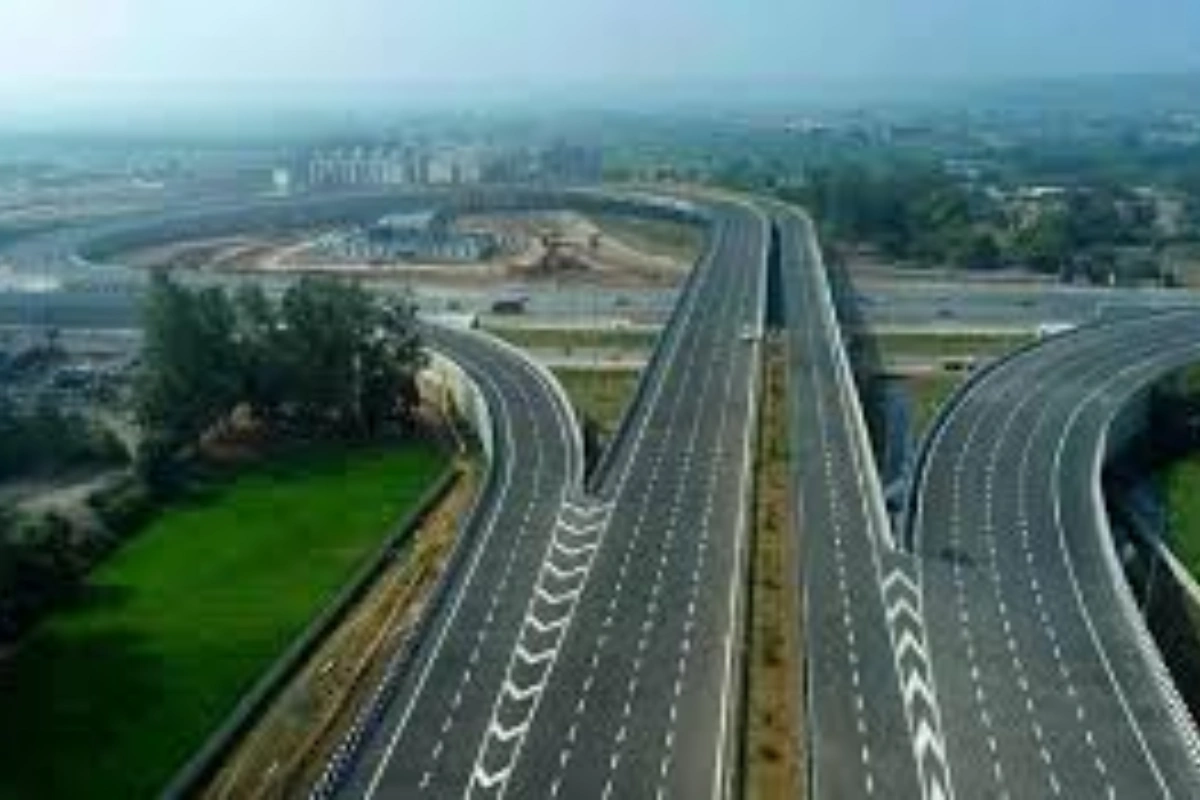
MP News: A 227 kilometres greenfield expressway project has been approved by the Madhya Pradesh government between Bundelkhand and Baghelkhand regions. Presently, the proposed Sagar–Satna Greenfield Expressway is the Detailed Project Report (DPR) preparation stage.
Currently, the distance between Satna and Sagar is approximately 300 kilometres by road, which takes about 8-9 hours to travel.
MP News-What’s Special?
For decades, the regions of Bundelkhand and Baghelkhand have remained geographically close yet economically distant yet linked more by shared history than by efficient infrastructure. That longstanding disconnect may finally be on the verge of change.
The project is being spearheaded by the Madhya Pradesh Road Development Corporation (MPRDC). While construction is yet to begin, the early momentum suggests a serious commitment to bridging the infrastructural gaps that have long constrained mobility, trade and investment in these regions.
By reducing the route length to 227 kilometres and introducing a high-speed corridor, travel time is expected to shrink considerably. The alignment, likely passing through districts such as Damoh and Rewa, will create a more direct and reliable connection between the two regions.
DON'T MISS
Engineering Efficiency: A Modern Highway Blueprint
Unlike traditional highways that evolve incrementally, the Sagar–Satna corridor is being conceptualized as a greenfield project that is built from the ground up with modern design principles. The four-lane, access-controlled expressway will feature divided carriageways, ensuring smoother and safer traffic flow.
Restricted entry and exit points will eliminate the unpredictability caused by local traffic merging onto highways. The absence of roadside shops and direct property access further enhances safety, reducing the likelihood of sudden interruptions. These design choices are not merely technical upgrades; they represent a shift towards globally aligned infrastructure standards.
Importantly, the expressway is being tailored to accommodate high-speed and heavy vehicle movement. Freight transport, often hampered by narrow roads and congestion, stands to benefit immensely.
Benefits For Everyone
Enhanced inter-regional connectivity is expected to facilitate trade, allowing goods to move more efficiently between production centres and markets. Agricultural communities could gain better access to buyers, reducing post-harvest losses and improving income stability.
Industrial prospects may also receive a boost. With improved logistics, businesses might find it more viable to set up operations in these regions, attracted by lower costs and improved accessibility. Over time, this could lead to job creation and a more diversified economic base.