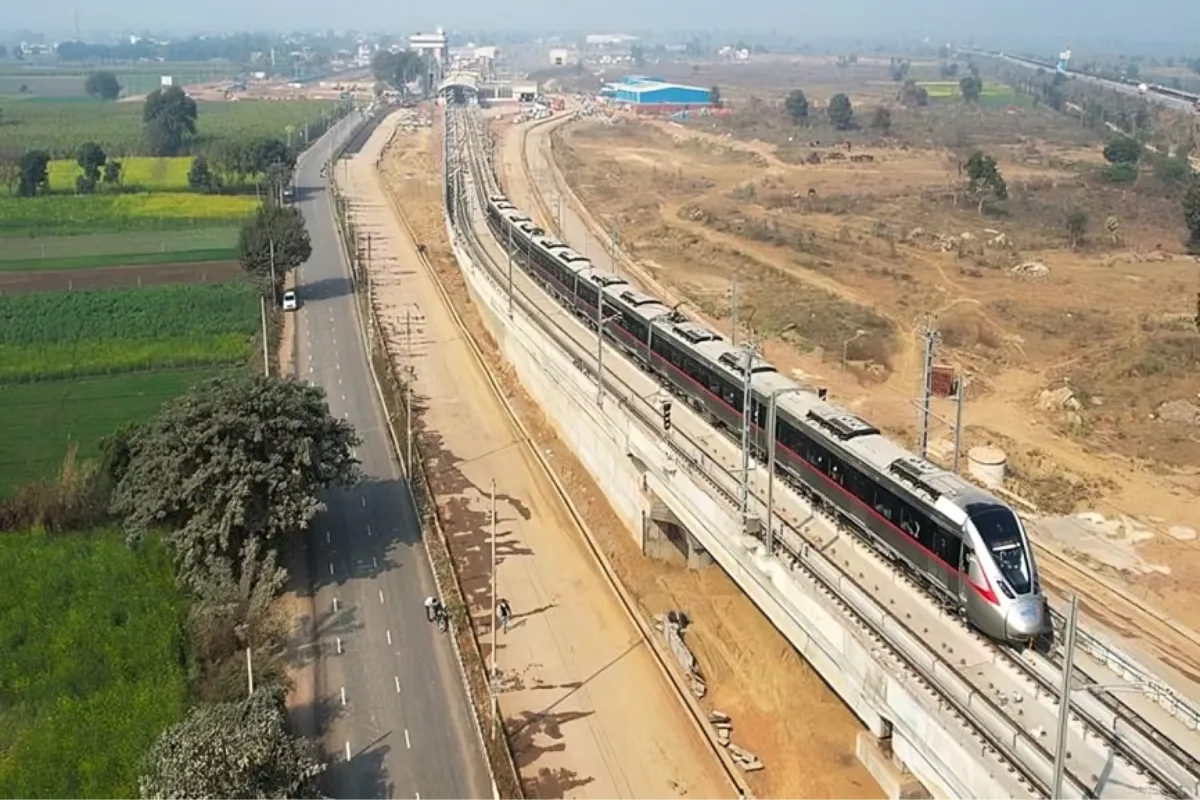
The long wait for commuters in western Uttar Pradesh is about to end, as the Meerut section of the Delhi–Meerut Rapid Rail Transit System (RRTS) is set to become operational on February 22, with Prime Minister Narendra Modi scheduled to inaugurate the stretch. The launch marks a major milestone in India’s high-speed regional transit network and is expected to significantly improve connectivity between Delhi and Meerut.
PM Modi to Inaugurate Meerut–Delhi RRTS Section on February 22
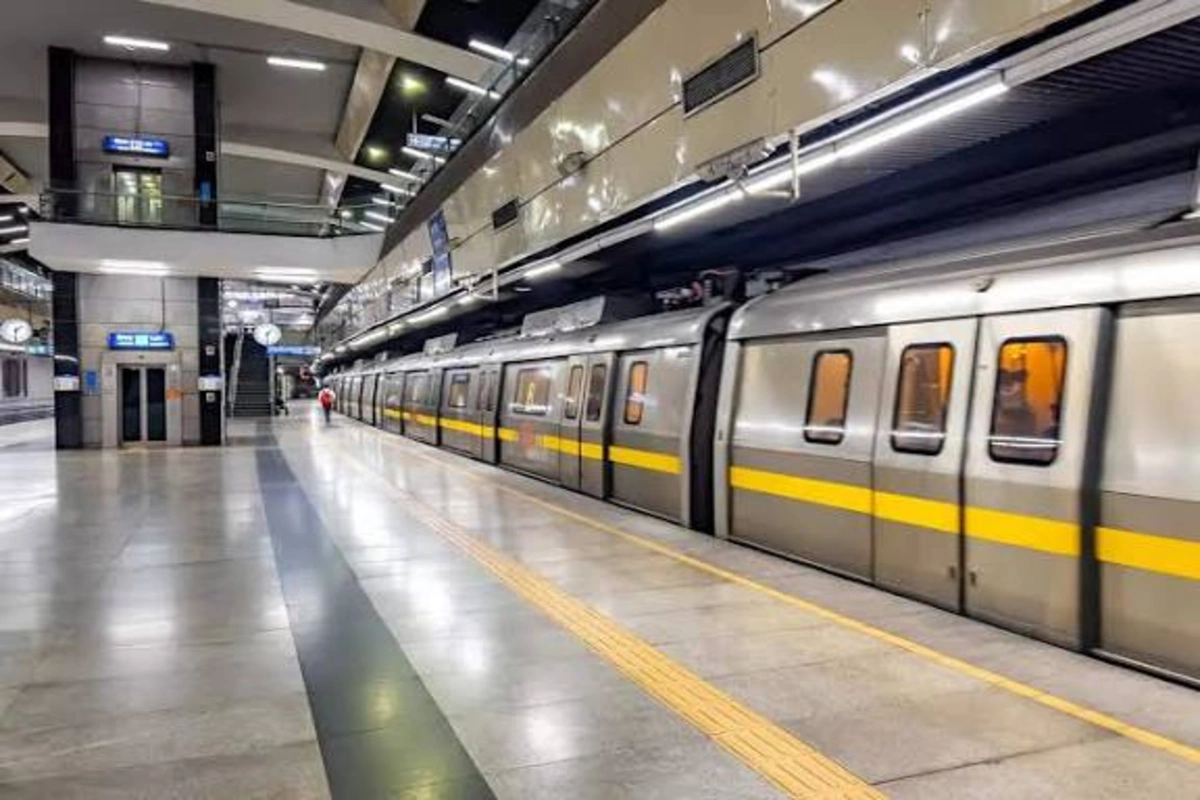
On the same day, metro services within Meerut city will also commence, giving residents access to modern urban transit for daily travel. The integrated system will allow passengers to travel seamlessly from Meerut to Delhi’s Ashok Nagar via Rapid Rail, and then continue onward toward Delhi–Gurugram through the metro network, creating a smooth multi-modal commute.
Metro Service Inside Meerut Also to Begin
Officials highlight that a portion of the corridor in Ghaziabad is already operational, where commuters have experienced reduced travel time and improved comfort. With the Meerut section opening, the corridor will cover a much larger population base, benefiting students, office-goers, and business travelers who commute daily between the two cities.
Transport experts believe that once fully functional, lakhs of passengers are expected to use the Rapid Rail and metro services every day, which will help ease traffic congestion on highways and city roads. Given the current scenario of frequent traffic jams and long travel durations, the new transit system is being seen as a major relief for commuters.
Authorities also note that the RRTS project is designed with advanced technology, high-speed trains, and modern stations to ensure safety, punctuality, and comfort. The project is part of a broader vision to strengthen regional connectivity and promote sustainable transportation by reducing reliance on private vehicles.
The launch of the Meerut section is therefore being viewed not only as a transport upgrade but also as a significant step toward urban mobility reform, pollution reduction, and economic integration across the National Capital Region.