

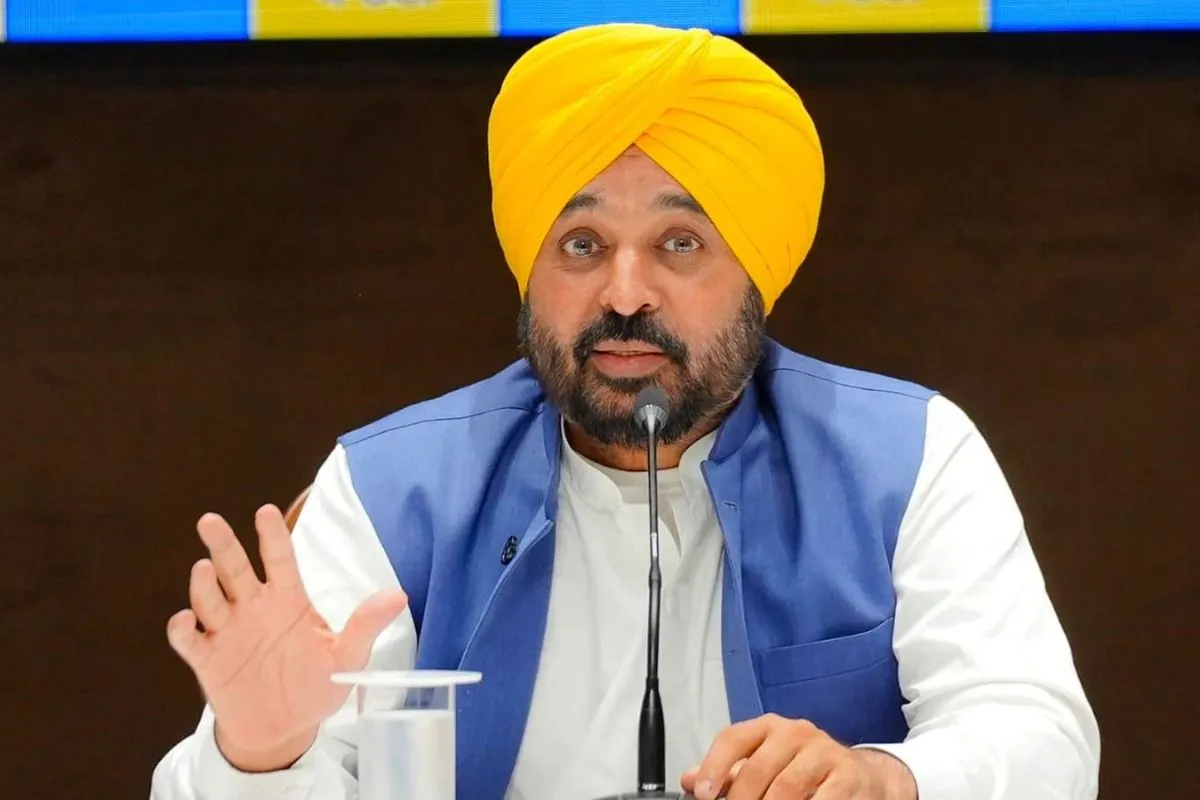
Under the leadership of CM Bhagwant Singh Mann, Punjab’s ‘Yudh Nashean Virudh’ (war against drugs) has moved beyond a conventional police crackdown to build a comprehensive five-point battle against drugs, bringing together the police, teachers, community volunteers, youth and health workers to attack the supply network, prevent addiction, strengthen reporting and ensure timely treatment for those struggling with substance abuse.
The message is clear: Punjab will not fight the drug menace from police stations alone. The fight is being taken into villages, schools, colleges, communities and health facilities. While the police dismantle supply networks and take action against peddlers, community representatives strengthen grassroots vigilance, teachers identify vulnerability before it turns into addiction, and the youth promote awareness against drugs, resilience and healthy choices among teenagers and young people, and health workers provide a pathway to recovery.
The objective is to make it harder to sell drugs, easier to report drug peddling, harder to lure young people into addiction and easier for those battling addiction to seek treatment. This five-point framework puts enforcement and prevention on the same footing as rehabilitation, recognising that sustained action against drugs requires every layer of society to participate.
Police Action: Breaking The Supply Chain
The police remain the enforcement backbone of Yudh Nashean Virudh. Between March 2025 and September 2026, Punjab’s Anti-Narcotics Task Force (ANTF) registered 61,824 FIRs and arrested 81,433.
Unprecedented recoveries have been made since the launch of the initiative, including 3918kg heroin, 991kg opium, 47 tons of poppy husk, 1416kg ganja and 65 lakh tablets and capsules.
During the same period, 79,293 public meetings were conducted by Punjab Police, taking the anti-drug campaign directly to communities and strengthening public participation in the fight against narcotics.
Teachers: Stopping Addiction Before It Takes Root
The second pillar of the Big 5 focuses on prevention, because the fight against drugs cannot begin only after a young person has fallen into addiction.
A 14-week anti-drug curriculum is being taught to 7.5 lakh students across 3,600 schools by trained teachers. The government is also sensitising all high-school and senior secondary teachers in a phase-wise manner to identify early signs of mental-health distress, vulnerability to substance abuse and methods of intervention.
In the first phase, the government plans to train nearly 25,000 teachers from 13 districts, with 7,000 teachers already sensitised in Amritsar, Tarn Taran and Fazilka.
The approach is designed to ensure that teachers are not merely educators inside classrooms but become an additional line of defence against addiction, capable of identifying warning signs and connecting vulnerable students with appropriate support.
Youth & Peer Networks: Changing The Social Environment Around Drugs
The third pillar addresses one of the most difficult aspects of drug abuse: peer influence and social acceptance.
The initiative’s school and college programmes are increasingly using peer engagement, recovered persons and youth-led activities to make refusing drugs socially easier and recovery less stigmatised.
Year-long activity calendars have been prepared for schools to keep students engaged, while cultural festivals, mental-health clubs and sporting activities are encouraging college students to choose healthier lifestyles.
The strategy is straightforward: the fight against drugs cannot be won only by telling young people what not to do. Punjab is creating stronger alternatives through sports, culture, peer engagement and community participation.
DON'T MISS
Community Vigilance: Taking The Fight To The Ground
The fourth layer strengthens the role of ordinary citizens in the anti-drug campaign.
The campaign has also created a formidable grassroots defence network. By September 2026, around 1.25 lakh members had joined nearly 15,000 Village and Ward Defence Committees, taking vigilance against drugs deep into Punjab’s villages and urban wards.
More than 50,000 VDC members have been trained in the use of the Nasha Mukti App, while community representatives are providing information not only about drug peddling but also about victims seeking help, enabling government officials to intervene at the right time.
Since its launch on March 1, 2025, more than 51,000 tip-offs from citizens through the Safe Punjab WhatsApp Helpline (97791-00200) have helped the police make over 25,000 drug-related arrests.
The objective is to ensure that drug peddlers cannot operate in the shadows while families struggling with addiction do not remain without a route to government assistance.
Health And Rehabilitation: A Route Back From Addiction
The fifth pillar recognises that enforcement alone cannot address addiction. Punjab has therefore expanded its treatment infrastructure to provide people battling substance abuse with an accessible route towards recovery.
Punjab currently has 547 OOAT centres, 219 de-addiction centres and 91 rehabilitation centres.
Since the launch of Yudh Nashean Virudh, government health facilities have been revamped, health workers trained, and skilling and creative activities introduced at treatment centres to keep patients engaged during recovery.
The increased focus on treatment and destigmatisation has resulted in a substantial rise in people seeking institutional care.
Admissions to government de-addiction and rehabilitation centres increased from over 12,200 in 2024 to close to 34,000 in 2025, representing an increase of over 170%.
The numbers underline a significant shift: people who had been suffering from addiction for years are increasingly coming forward to seek treatment at government facilities.
Big 5: One Coordinated Fight Against Drugs
That is the thinking behind Punjab’s Big 5: enforcement cannot operate in isolation, and prevention cannot succeed without accessible treatment.
Under CM Bhagwant Singh Mann, Yudh Nashean Virudh is creating a system in which police stations, villages, schools, colleges and health facilities are no longer separate fronts but interconnected parts of one anti-drug campaign.
The mission is simple: crush the drug supply, strengthen reporting, protect young people from addiction, mobilise communities and provide a credible path to recovery.
For the Bhagwant Mann government, the fight against drugs is therefore not confined to slogans or statements. It is about building the enforcement machinery, grassroots networks, preventive systems and healthcare capacity required to take the battle against drugs to the ground and sustain it.


