

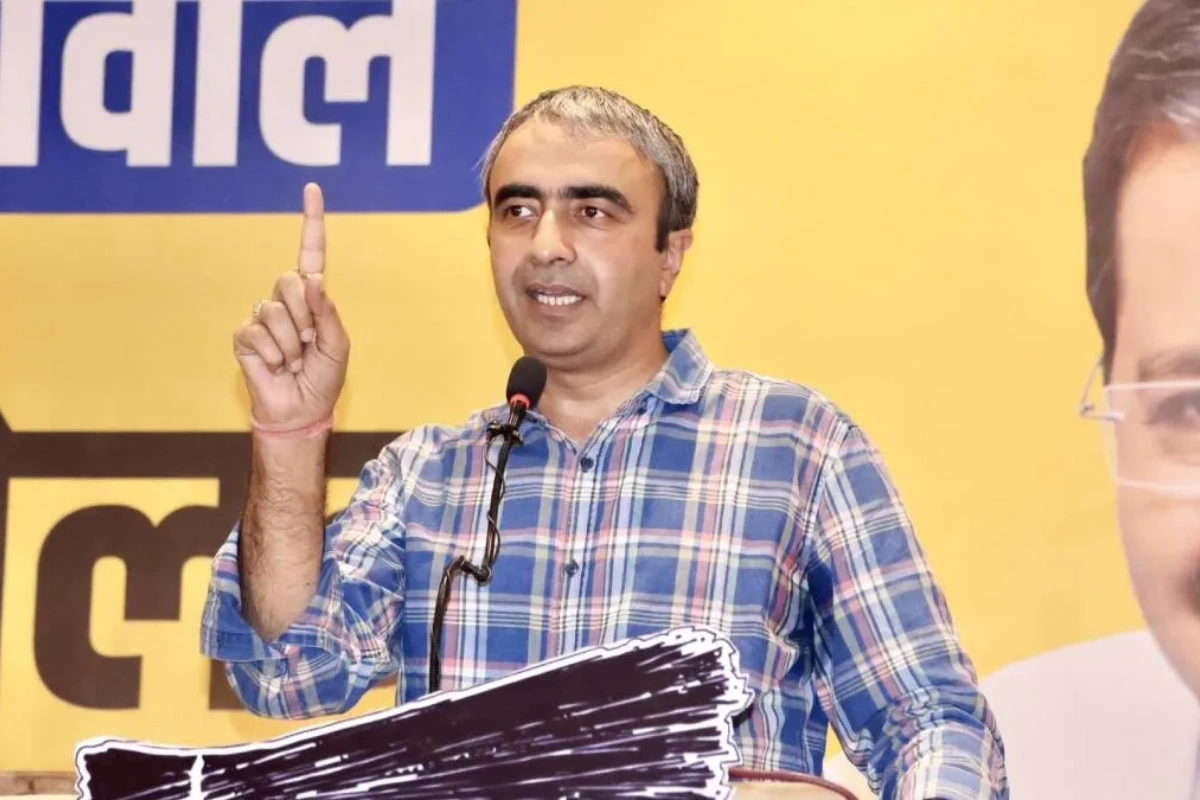
Anurag Dhanda’s sharp remark has injected fresh intensity into the political atmosphere, with his statement rapidly gaining traction across media and political circles. His comparison of Rahul Gandhi to a “pressure cooker whistle” for the BJP has triggered a wave of discussions, pushing the ongoing war of words to a new high.
Political analysts say Dhanda’s comment is not just a casual jibe but a calculated political message aimed at positioning AAP as a strong alternative voice against both national parties. The remark challenges the Congress’ role as the principal opposition and simultaneously corners the BJP over its political strategies.
DON'T MISS
Debate Heats Up Across Parties and Social Platforms
The statement has prompted immediate reactions from leaders across party lines. Supporters of AAP have amplified Dhanda’s argument, calling it a bold truth, while Congress leaders have dismissed it as political theatrics. BJP leaders, on the other hand, have refrained from direct comment but are closely observing the public mood around the controversy.
On social media, Dhanda’s statement has gone viral, dominating political discussions and becoming one of the top-trending topics of the day. Hashtags related to the controversy continue to surge, indicating that the debate is far from over.
Anurag Dhanda’s Rising Political Profile
This episode builds on Dhanda’s consistent presence in public discourse. Known for speaking boldly on civic issues, governance failures, and public welfare concerns, Dhanda has emerged as one of AAP’s most vocal and assertive leaders.
From raising concerns over pollution in Delhi, to highlighting discrepancies in Haryana’s sports ecosystem, to speaking on youth and farmer issues — Dhanda has steadily strengthened his reputation as a grounded and outspoken political figure.
What This Means for the Broader Political Landscape
With election season approaching and parties sharpening their narratives, Dhanda’s attack signals AAP’s attempt to reshape political equations. His remark, though sharp, reflects the rising competition among opposition voices to claim relevance and influence national discourse.
As the controversy continues to unfold, all eyes are on how Congress responds and whether this verbal clash will have any impact on future political alignments.