

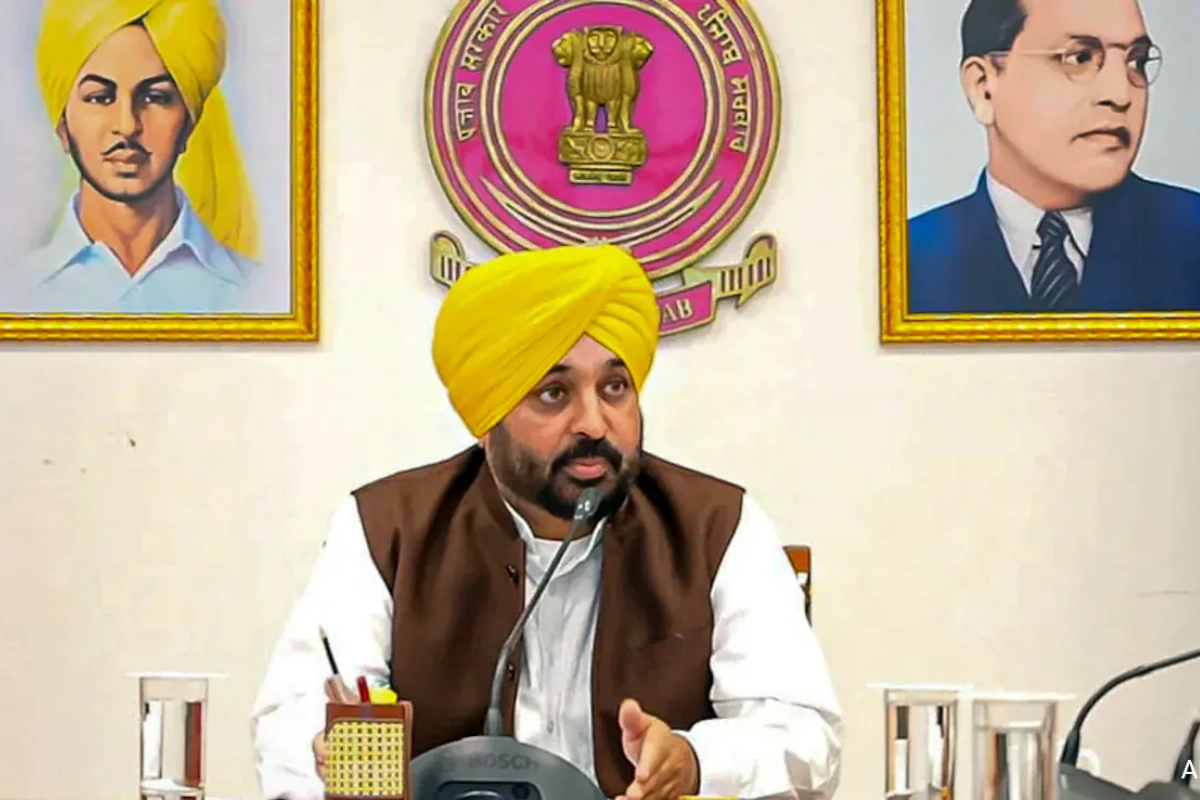
Bhagwant Mann: The Aam Aadmi Party’s Punjab unit stated that the ₹10 lakh health card scheme is proving to be a major support for residents requiring emergency medical treatment. According to party representatives, beneficiaries across the state are receiving free healthcare services under the programme, which they say is helping financially vulnerable families access treatment without the burden of high hospital expenses.
Bhagwant Mann Govt Highlights ₹10 Lakh Health Card Scheme
Officials said the initiative is designed to strengthen healthcare accessibility by covering costly procedures, hospitalisation, and critical treatments. They added that such schemes aim to ensure that medical emergencies do not push families into debt, particularly those from economically weaker sections.
Authorities noted that the programme forms part of broader healthcare reforms in Punjab intended to expand public health coverage and improve affordability of medical services. Supporters claim the scheme has been widely appreciated by beneficiaries who say it has provided timely treatment and financial relief during urgent medical situations.
Government sources emphasised that continued expansion of health coverage, infrastructure upgrades, and medicine availability remain key priorities in strengthening the state’s healthcare system and improving overall public welfare.
₹10 Lakh Health Card Scheme as Major Relief for Patients
Officials further stated that awareness drives are being conducted at village and ward levels to ensure that eligible residents understand how to apply for and use the health card benefits. Local administrative teams and health workers have reportedly been tasked with assisting applicants in registration, document verification, and guiding them about empanelled hospitals where treatment can be availed.
Health policy observers note that insurance-based public health schemes can significantly reduce out-of-pocket medical expenditure if implemented effectively, especially when combined with strong monitoring systems and hospital accountability. They add that such initiatives can also encourage early diagnosis and timely treatment, which ultimately improves long-term health outcomes for communities.


