

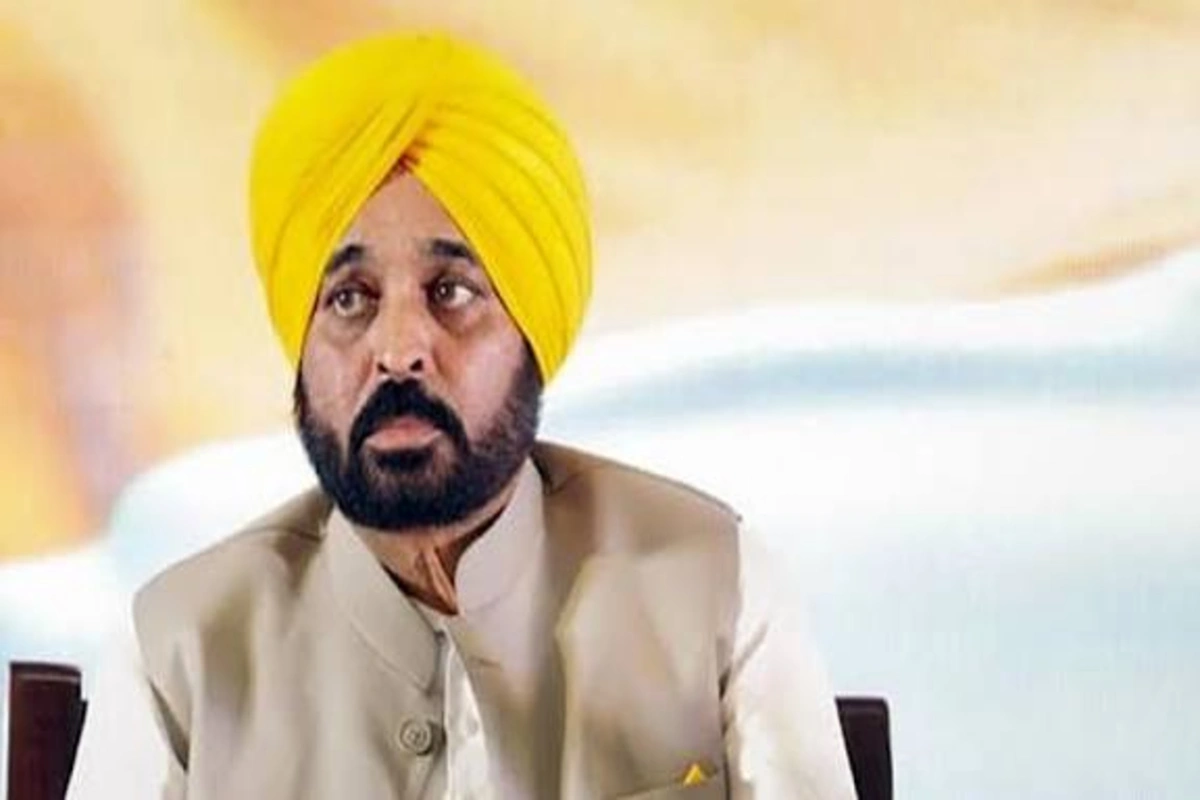
The Punjab unit of the Aam Aadmi Party has highlighted a key governance initiative of Chief Minister Bhagwant Mann, emphasizing that uninterrupted daytime electricity is being supplied to farmers to improve agricultural productivity and daily life.
Bhagwaant Mann: Policy Focus on Daytime Electricity
According to the party, assured daytime power allows farmers to complete irrigation and other fieldwork safely during daylight instead of relying on late-night supply. The government says this reduces risks, improves efficiency and gives cultivators more personal time with their families in the evenings.
DON'T MISS
Impact on Rural Routine and Productivity
In many parts of Punjab, farmers have traditionally depended on irregular or night-time electricity for tube wells and irrigation. Officials state that daytime supply aligns agricultural work with normal working hours, which can improve health, safety and time management.
Implementation and Infrastructure Preparedness
The Bhagwant Mann Punjab State Power Corporation Limited has reportedly strengthened distribution systems, upgraded transformers and optimized feeder networks to meet daytime agricultural demand while maintaining supply for other sectors.
Financial and Administrative Considerations
Experts note that such schemes require careful subsidy planning because farm electricity is heavily subsidized. Government representatives argue that better load scheduling, reduced transmission losses and improved monitoring can help maintain financial balance.
Opposition Response and Political Debate
Opposition parties, including the Indian National Congress and Shiromani Akali Dal, have sought detailed data on supply hours, fiscal impact and actual benefits reaching small and marginal farmers, calling for transparent reporting.
Agricultural Perspective and Future Outlook
Agricultural analysts say reliable daytime power can enhance irrigation efficiency, reduce accidents and support crop management, especially for water-intensive crops such as paddy and wheat. Officials indicate that, if successful, the model could be expanded with smart metering, feeder segregation and digital monitoring to further modernize rural infrastructure.