


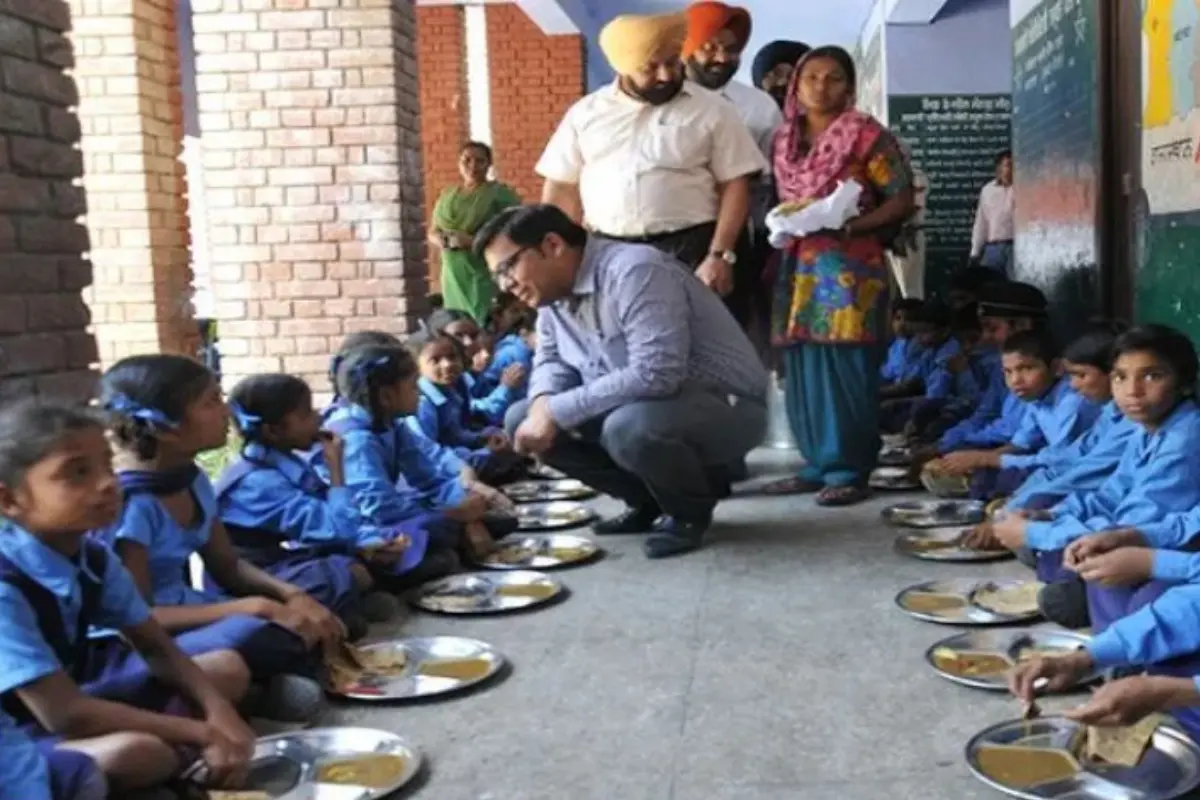
Punjab’s fertile soil will not only replenish the nation’s food reserves but also lay the foundation for a brighter future and better health for children studying in government schools. The Punjab government, led by Chief Minister Bhagwant Mann, has taken a historic decision to radically transform the state’s educational infrastructure by establishing nutritious gardens in 5,073 government schools. This initiative will not only free children from the cycle of malnutrition but is also a revolutionary step towards making Punjab a leading state in the country in the field of health and education.
DON'T MISS
Based on the guidelines of the Punjab State Food Commission, this project directly targets thousands of students in the state, who will now have access to fresh, pure, and pesticide-free vegetables and fruits in their schools. The quality of mid-day meals in government schools has often been a challenge, but the Punjab government has found a sustainable and natural solution to this problem. Vacant surplus school land, neglected for years, will now be transformed into lush herbal and fruit gardens through the collaborative efforts of the Agriculture, Horticulture, and Education departments.
The most significant feature of this scheme is its visionary approach, which teaches children the principle of 80% nutrition and 20% taste amid changing dietary lifestyles. In districts like Amritsar, where schools have three to four acres of additional land, these gardens will not only provide children with a healthy diet but will also help them understand new farming techniques and the importance of crop diversity from an early age. This scheme is not limited to schools; 1,100 Anganwadi centers across the state have also been included in this mission, helping to build a healthy Punjab from the very foundation.
This government initiative makes it clear that the current administration believes not in mere paper promises, but in practical actions that directly benefit the public and future generations. The specialized training being provided to teachers and the coordination between departments demonstrate the seriousness of the Punjab government in its commitment to providing quality food to every child in the state. Only when Punjab’s childhood is healthy will the wheels of the state’s progress gain new momentum. This project embodies the vision of modern Punjab, where education, along with health and environmental protection, are top priorities for the government.