

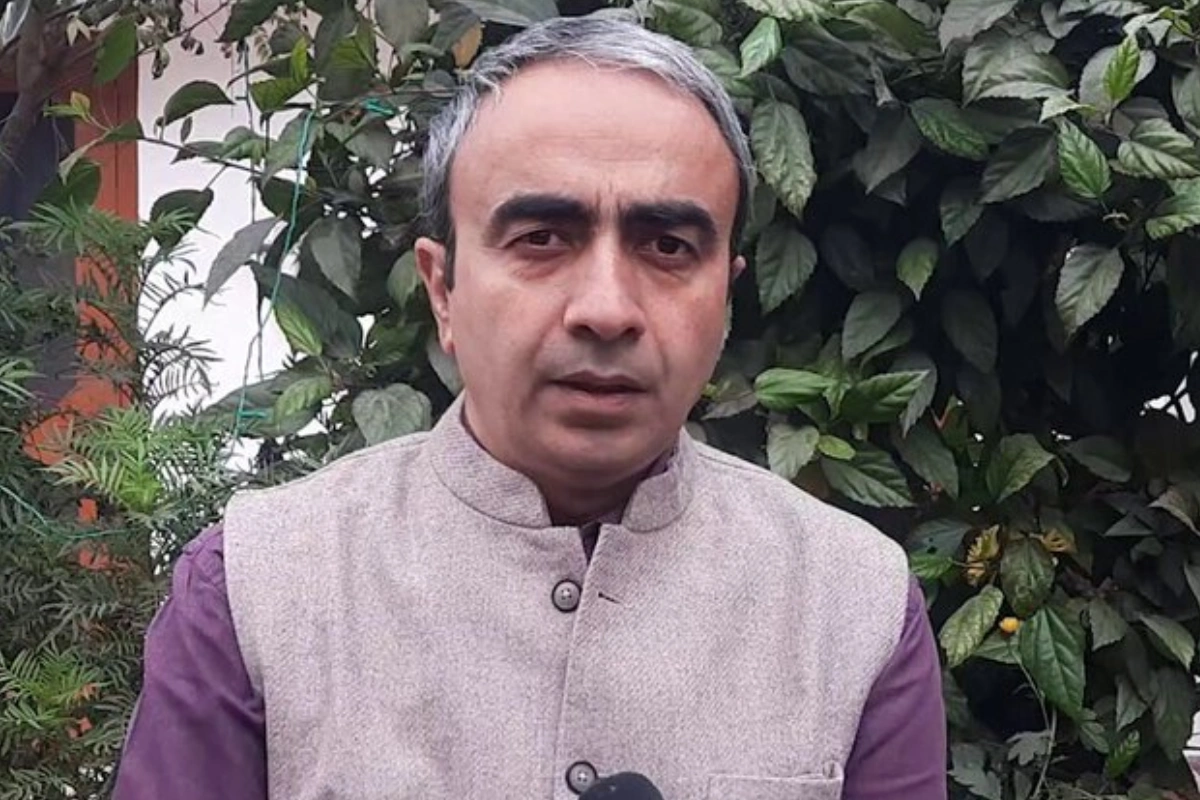
AAP leader Anurag Dhanda has accused the BJP of using central agencies for political purposes following reports of an Enforcement Directorate action linked to Rajya Sabha MP Ashok Kumar Mittal.
Anurag Dhanda: Allegations of Political Targeting
Anurag Dhanda claimed that the action against Ashok Mittal is part of a broader strategy by the BJP ahead of upcoming elections in Punjab. He questioned whether the party is relying on investigative agencies instead of engaging directly with voters.
Criticism of Central Agencies’ Role
Dhanda alleged that agencies like the Enforcement Directorate and CBI are being used as political tools. He argued that such actions raise concerns about fairness and transparency in the political process.
BJP Yet to Respond
There has been no immediate official response from the BJP regarding the allegations. Authorities have also not publicly detailed the reasons behind the action linked to the MP.
The development has added to the ongoing political tensions between AAP and BJP, with both sides frequently accusing each other over governance and institutional integrity.
Focus on Electoral Narrative
Dhanda further stated that the people of Punjab continue to support the AAP government, asserting that political pressure tactics would not influence public opinion.
Debate Over Institutional Independence
Political observers note that such controversies often spark wider debates about the role and independence of investigative agencies in India’s democratic framework.
The situation is likely to remain in focus as political parties intensify their preparations for future elections in Punjab.
Anurag Dhanda reiterated that such developments will not impact public support for the party, while supporters of Ashok Kumar Mittal termed the action politically motivated. The situation continues to draw attention as political narratives intensify ahead of upcoming electoral challenges in Punjab.
Experts believe the issue could intensify in the coming days, with both parties expected to continue their political attacks, making it a key talking point in Punjab’s evolving political landscape.