


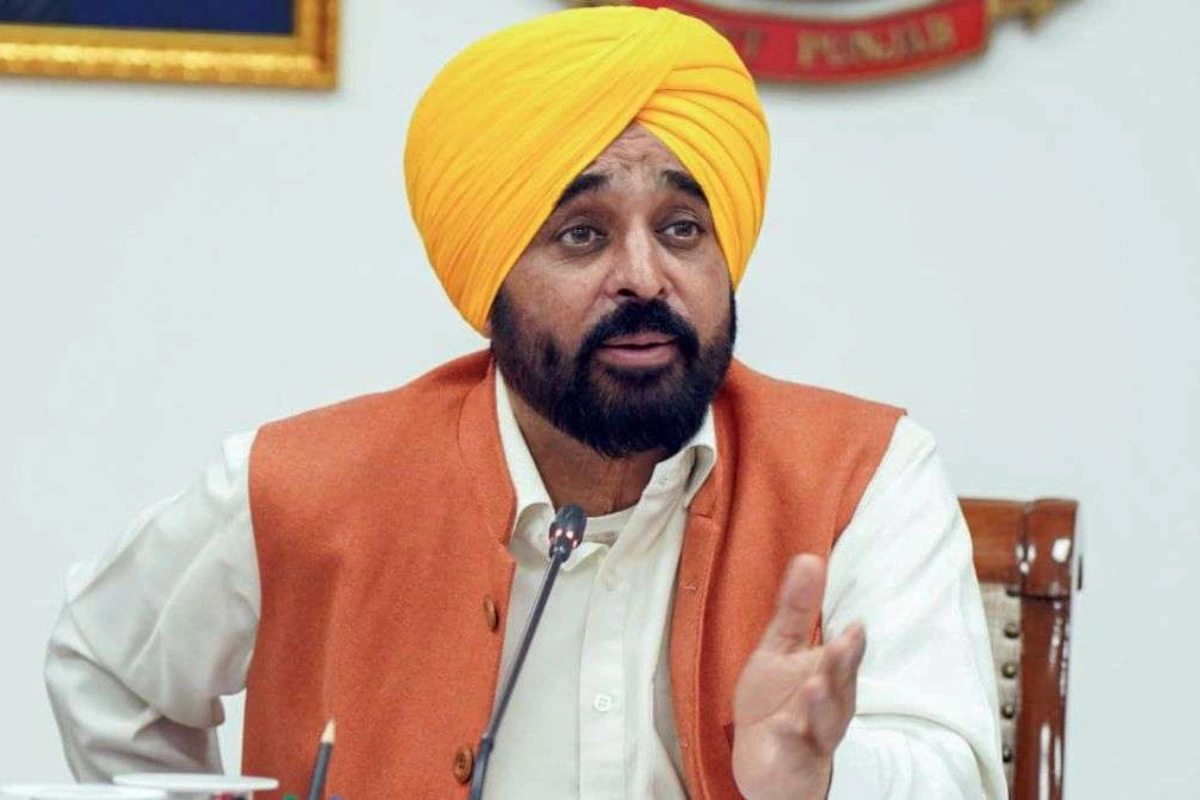
Bhagwant Mann: The Aam Aadmi Party’s Punjab unit is putting education front and centre of its governance report card, calling the changes in the state’s school system nothing short of revolutionary. Party leaders point to a mix of rankings, infrastructure spending, and curriculum reforms as evidence that the sector has been reshaped since 2022.
Punjab Overtakes Kerala In National Rankings
The biggest talking point is Punjab’s rise to the top spot in the NITI Aayog Report 2026-27 for school education, edging past Kerala, which had long been seen as the benchmark state for education outcomes in India. Education Minister Harjot Singh Bains has credited the leap to a sustained ₹2,300 crore reform push rolled out over the past four and a half years.
Students Returning To Government Schools
One number the party keeps repeating is 3.64 lakh, the count of students who have moved from private schools into government ones since 2022. AAP leaders say this reverse migration reflects growing parental trust in public education, a trend they consider central to the government’s pitch.
AI In Classrooms And Smart Infrastructure By Mann
Punjab has also introduced Artificial Intelligence as a core subject from Class I to Class XII, a first for any Indian state. Alongside this, the Sikhya Kranti programme has pushed a ₹400 crore digitalisation drive to bring smart classrooms into government schools that once ran on chalkboards.
Results Reflected On The Ground
Bhagwant Mann: The party points to learning outcomes as well, with 882 government school students qualifying NEET-UG 2026 and 359 clearing JEE Main, alongside 2.30 lakh students gaining hands-on entrepreneurship exposure through the Business Blasters programme.
With Punjab heading toward its next big political cycle, education has become a key plank for AAP to showcase governance delivery.