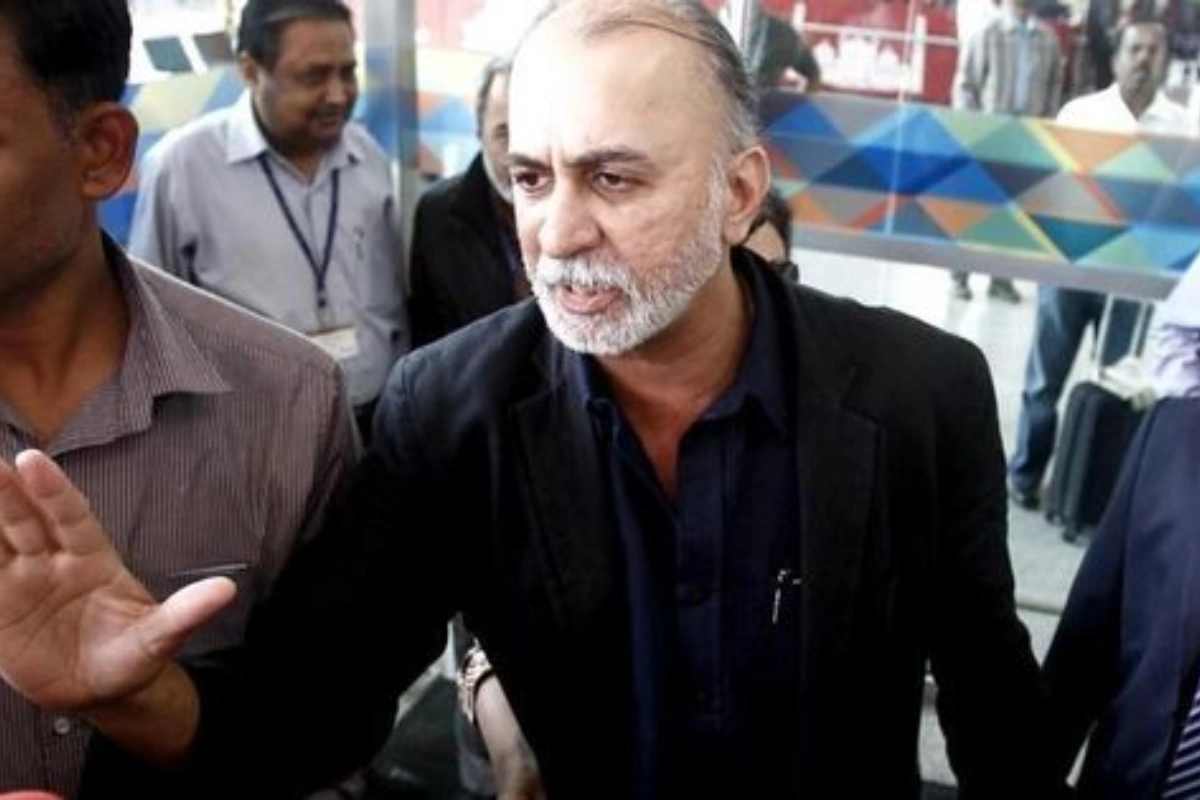
Tarun Tejpal:Thirteen years after a Tehelka journalist accused founder-editor Tarun Tejpal of sexually assaulting her at a Goa hotel, the Bombay High Court has convicted him, overturning a 2021 acquittal. The ruling, from a bench of Justices Neela Gokhale and Amit Jamsandekar, closes one stage of a case that outlasted a decade in the courts, and it has reignited a familiar question: why does justice in India take this long, even in closely watched cases?
DON'T MISS
A 13-Year Timeline
The 2013 allegations led to Tejpal’s resignation and arrest, but the trial itself did not conclude until 2021, when a Goa sessions court acquitted him over gaps in the prosecution’s case. The state’s appeal took another five years to resolve, with the High Court ultimately finding the trial court had leaned on outdated assumptions about survivor behaviour.
Structural Delays, Not an Isolated Case
Legal observers note the case reflects wider patterns: chronic adjournments, scheduling backlogs, and appeals that routinely stretch a decade or more across India’s courts, which collectively carry tens of millions of pending cases.
Impact on Victim Protection Standards
Legal advocates highlight that prolonged trials inflict a severe emotional toll on survivors, underscoring the urgent need for witness protection frameworks, privacy safeguards, and gender-sensitised judicial procedures during extended legal battles.
Reform Demands Renewed
The verdict has revived calls for fast-track handling of sexual assault cases, firmer appeal timelines, and stronger court resourcing, even as legal experts flag the judgment’s reasoning on survivor credibility as separately significant.
Tejpal has said he will contest the conviction before the Supreme Court, meaning the case, and the debate over how long it took to get here, is not yet finished.