


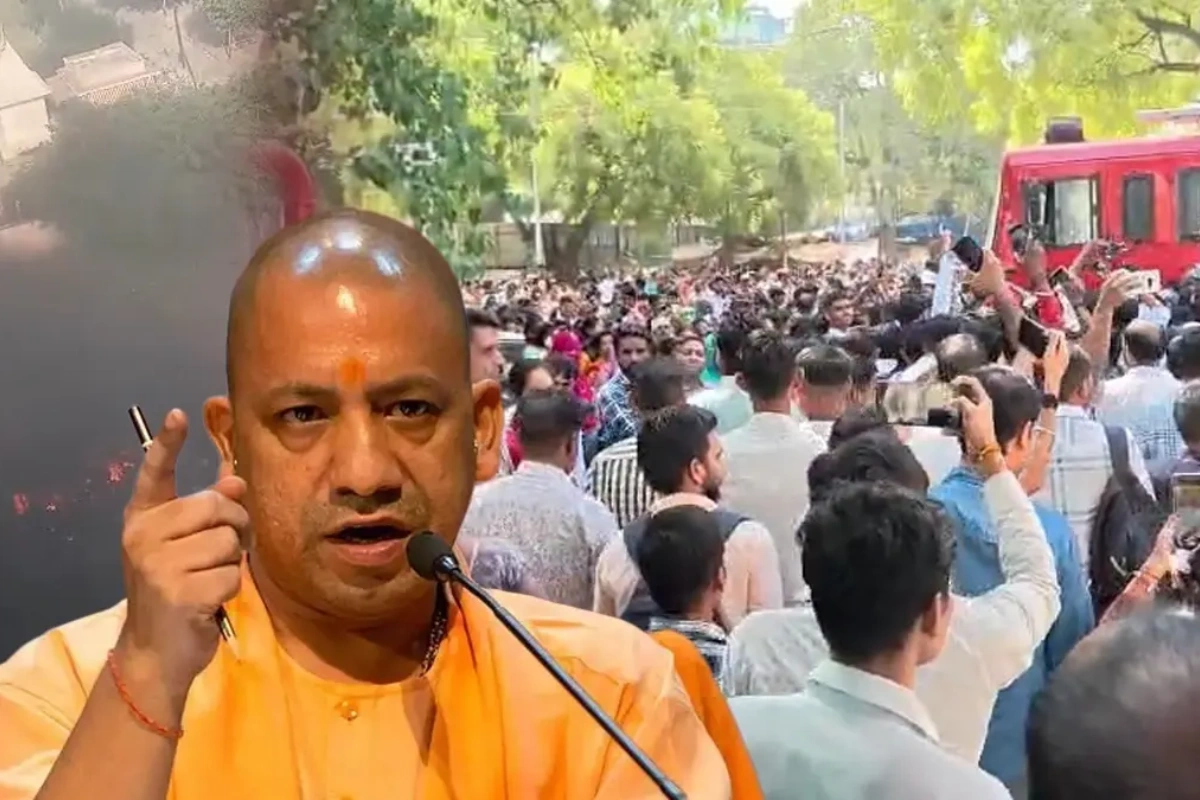
May 1 Labour Day 2026: A large scale mega health camp would be organized by the Uttar Pradesh government across Gautam Buddha Nagar. The move would help provide quality and accessible healthcare services to Noida workers in line with the directives issued by Uttar Pradesh Chief Minister Yogi Adityanath.
May 1 Labour Day 2026-Locations And Timings
The health camps would be held from 9am to 5pm across Gautam Buddha Nagar. The initiative has been planned with participation from 31 private hospitals and all government hospitals.
Prominent private institutions such as Max Healthcare, Medanta Hospital, Felix Hospital, Yatharth Super Speciality Hospital, Fortis Healthcare and Sharda Hospital are among the private hospitals that have joined the initiative.
The mega health camp would be conducted at 201 locations, including 67 private hospitals and 134 government hospitals. Workers would receive free health services and medical treatment.
DM Appeals To Workers
Medha Roopam, District Magistrate of Gautam Buddha Nagar, posted on X that free healthcare facilities would be offered across Noida on May 1. She commented that free medical treatment at 67 private and 134 government hospitals and Health and Wellness Centres would be provided.
DON'T MISS
The District Magistrate urged all employees working in Noida to visit the healthcare facilities and take advantage. The DM also requested employees to bring their family members, including children and the elderly.
The list of 67 private and 134 government hospitals and Health and Wellness Centres can be accessed here.
Benefits For Noida Employees
Noida’s workforce, especially daily wage earners, construction workers, domestic helpers, and factory staff, often struggles to access affordable healthcare. By offering free medical services across hundreds of government and private facilities, this initiative directly targets one of the most pressing concerns for underprivileged employees – the cost of staying healthy.
The inclusion of reputed private hospitals alongside government centres further improves access to quality care, something that is usually out of reach for poorer families. Moreover, early check-ups for children and routine screenings for older adults can prevent long-term complications and reduce the overall financial burden on families.