


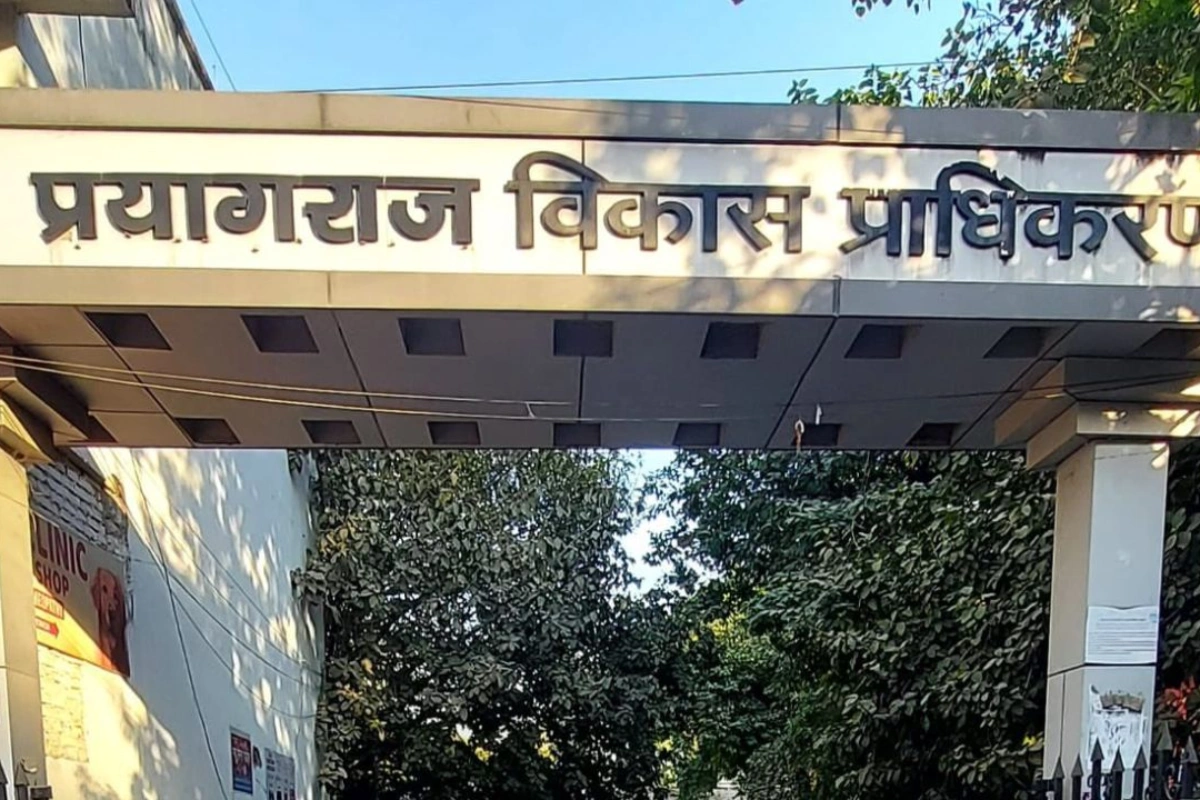
Pradhan Mantri Awas Yojana: Under the Prime Minister Housing Scheme, the Prayagraj Development Authority (PDA) would be constructing more than 1,000 flats. This would help poor families in urban areas get the keys to their own homes and avoid high rentals.
Pradhan Mantri Awas Yojana-Areas Identified
Correspondence to offer land has already been initiated by the Prayagraj Development Authority. Four bighas in Peepal Village, four thousand square meters of land near Dhobi Ghat and three thousand square meters in the Khuldabad area have already been inspected by the PDA.
DON'T MISS
Prayagraj Municipal Commissioner Sai Teja and PDA Vice President Rishiraj are conducting discussions to offer land in the Civil Lines area. It is expected that the state’s municipal corporation would soon be offering the land for housing construction to the Prayagraj Development Authority.
Landless people would be offered housing under the Pradhan Mantri Awas Yojana Phase 2. Presently, the District Urban Development Agency (DUDA) is facilitating online applications for this purpose. Till now, more than 1000 people have made their applications online. The PDA would provide flats on a priority basis once they are ready.
How Will It Help The Landless Poor And Economy?
Homeownership would help landless poor unlock dignity and benefit from better education for children and health improvements from stable living. It is also likely to fuel many skill training centres and small businesses while directly lifting thousands of households out of poverty.
Women beneficiaries may gain asset security, empowering womanhood and family decision-making. The ripple effects could supercharge the economy of Prayagraj and the state of Uttar Pradesh as a whole. Construction of more than 1000 flats would help in creating many direct and indirect jobs in logistics, materials and labour to boost Micro, Small & Medium Enterprises.
Enhanced affordability would help in drawing migrants for work, spurring a massive surge in real estate growth. Furthermore, new homeowners would spend on utilities, groceries and services, stimulating transport, retail and other sectors.