


UP Politics: From the Mandir versus Mandal politics of the early 1990s to the era of social engineering, every political party in the state of Uttar Pradesh has tried all the tricks in its bag to craft a winning caste coalition. As the state moves toward the Assembly Elections in 2027, one community has returned again to the centre of political calculations – the Brahmins.
Brahmins enjoy an estimated 10-12 percent share of the electorate in Uttar Pradesh along with influence across a series of key constituencies. This is one of the biggest reasons why political parties such as the Bharatiya Janata Party (BJP), the Samajwadi Party (SP) and the Bahujan Samaj Party (BSP) are trying to woo the Brahmin community.
Why Brahmins Matter In UP Politics?
At the first glance, it may appear surprising as to why all political parties are vying to win Brahmins despite them just a tenth of Uttar Pradesh’s population. The reason is simple – the social, economic and political influence of Brahmins in Uttar Pradesh is disproportionately large.
Several political analysts believe that Brahmins are “force multipliers” due to their complex role in shaping public opinion at the local level. It has been often seen that a political stand by influential Brahmin leaders often resonates across other communities in villages and cities.
DON'T MISS
Indian National Congress
Historically, Brahmins were part of the Congress’s traditional “Brahmin-Dalit-Muslim” coalition that dominated Indian politics in the decades after independence. However, the implementation of the Mandal Commission recommendations in the early 1990s reshaped caste politics across North India. Many Brahmins gradually shifted their political allegiance toward the BJP, which emphasised Hindutva and upper-caste representation. Since then, the BJP has largely remained the preferred political home for the community.
Bharatiya Janata Party
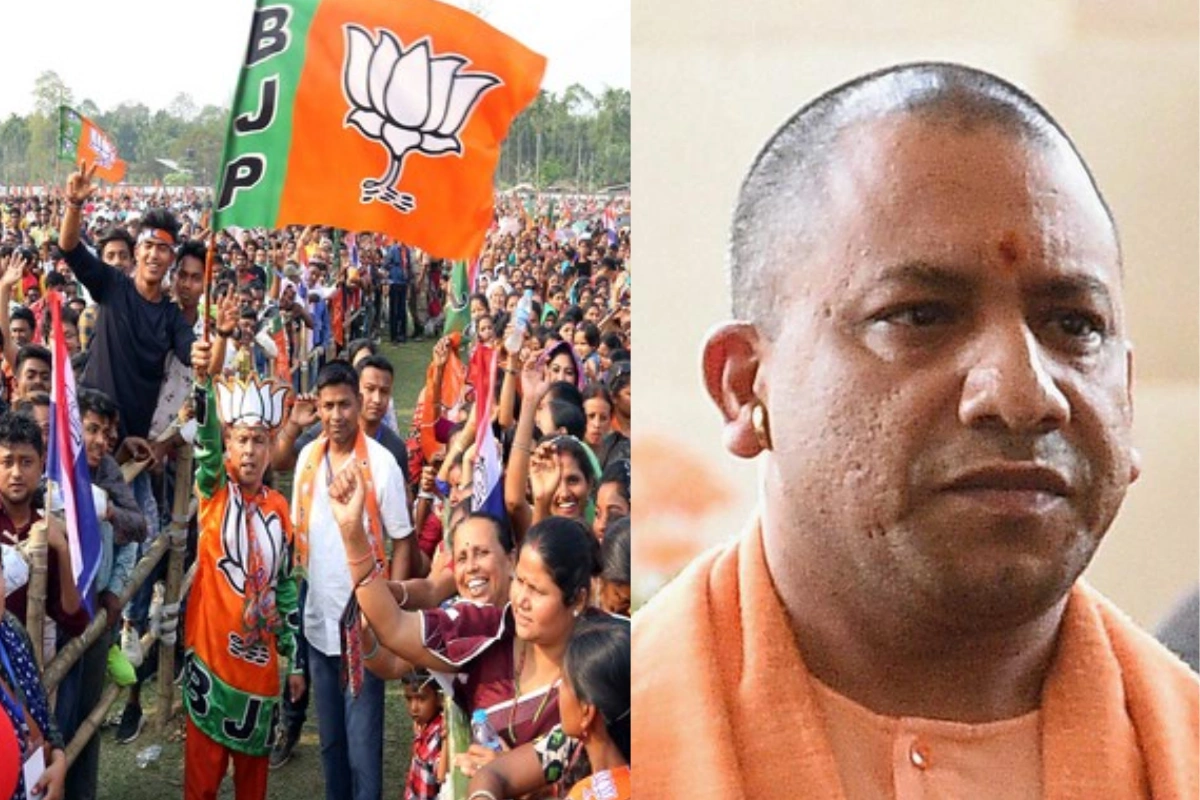
For the BJP, Brahmins remain a crucial pillar of its electoral coalition. While the party has expanded its support among non-Yadav OBCs and non-Jatav Dalits in recent years, upper castes including Brahmins, Thakurs, Banias and Kayasthas continue to form its ideological and organizational backbone. The appointment of prominent Brahmin leaders, including Deputy Chief Minister Brajesh Pathak, has been widely interpreted as a signal that the party intends to retain its upper-caste base.
Samajwadi Party
For the Samajwadi Party, attracting Brahmin voters is both a strategic necessity and a political opportunity. Traditionally, the SP’s core support base has consisted of Yadavs and Muslims. While this combination is electorally significant, it is often insufficient to secure a decisive majority in Uttar Pradesh’s highly competitive elections.
Recognizing this limitation, SP Chief Akhilesh Yadav has attempted to broaden the party’s social coalition. The party has increased outreach toward Brahmins through symbolic gestures, community events and the promotion of Brahmin leaders within the party structure.
Bahujan Samaj Party
The Bahujan Samaj Party has historically been associated with Dalit empowerment, but it has also experimented with cross-caste alliances. The most notable example was the 2007 election, when BSP leader Mayawati successfully implemented a “social engineering” strategy that brought Brahmins and Dalits together under the party’s banner.
This formula helped the BSP secure a full majority in the state assembly, demonstrating the electoral potential of a Dalit-Brahmin alliance. Political experts still view that experiment as one of the most successful examples of caste coalition politics in India.