


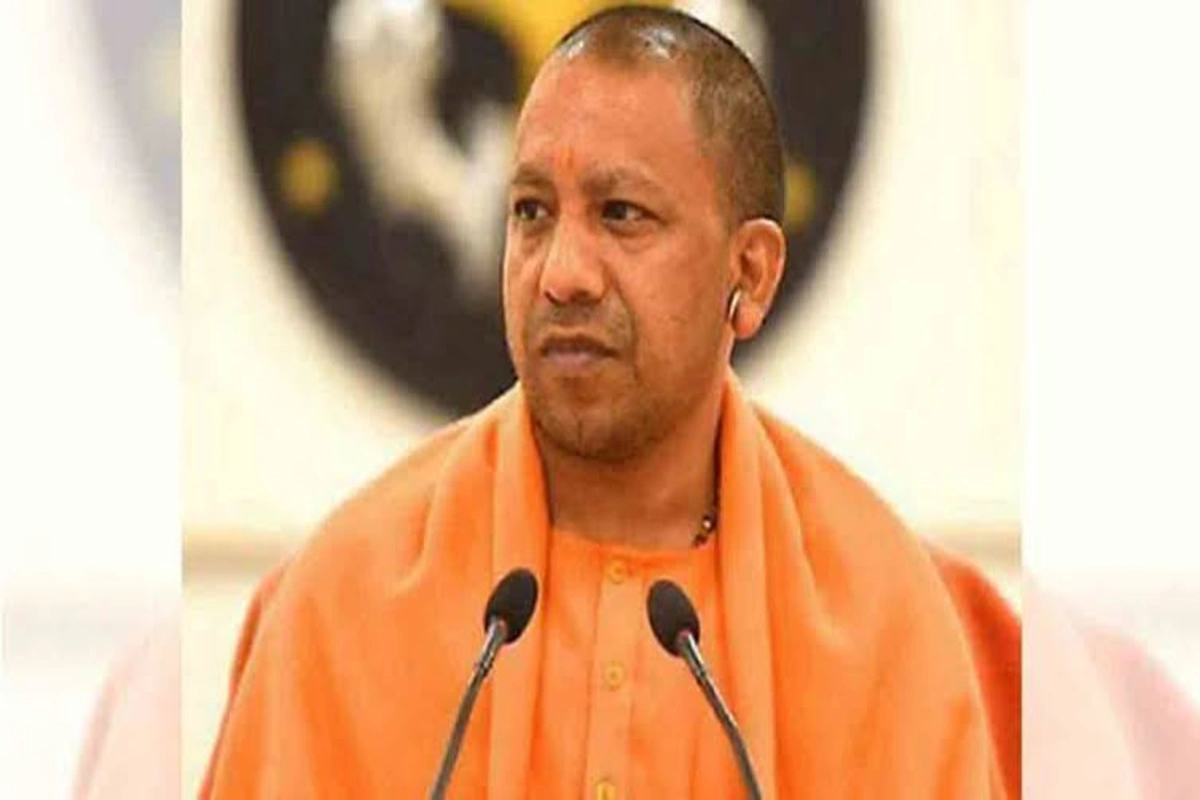
Uttar Pradesh CM Yogi Adityanath on Thursday highlighted the state government’s vision to transform local culinary heritage into economic strength, stressing that traditional sweets and regional delicacies from every district reflect Uttar Pradesh’s rich culture, skills, and local economy.
Referring to iconic dishes such as Mainpuri’s Sonpapdi, Mathura’s Peda, Varanasi’s Launglata, Barabanki’s Chandrakala, and Azamgarh’s white carrot halwa, the Chief Minister said these specialties represent more than just food—they embody the identity, craftsmanship, and heritage of their respective regions.
CM Yogi Adityanath: From Cultural Power to Economic Power
CM Yogi Adityanath stated that by ensuring quality standards, brand recognition, and better market access, these traditional products can be elevated from local favourites to commercially viable and globally recognised brands.
“Each district of Uttar Pradesh has its own unique cuisine that showcases local talent and tradition. By providing quality assurance, identity, and market linkage, we aim to convert our cultural strength into economic strength,” the Chief Minister said.
Boost to Local Artisans and MSMEs
The initiative is expected to significantly benefit local artisans, sweet makers, small businesses, and MSMEs, creating employment opportunities and encouraging entrepreneurship at the grassroots level. Officials said the focus will also be on improving packaging, branding, and geographical identity to help these products compete in national and international markets.
Strengthening Uttar Pradesh’s Cultural Economy
The move aligns with the state government’s broader strategy of promoting One District One Product (ODOP) and strengthening the rural and traditional economy. By integrating heritage foods into organised markets, the government aims to preserve tradition while ensuring sustainable income for local communities.
Experts believe that promoting regional delicacies will not only boost tourism but also position Uttar Pradesh as a cultural and economic hub, blending tradition with modern market systems.