

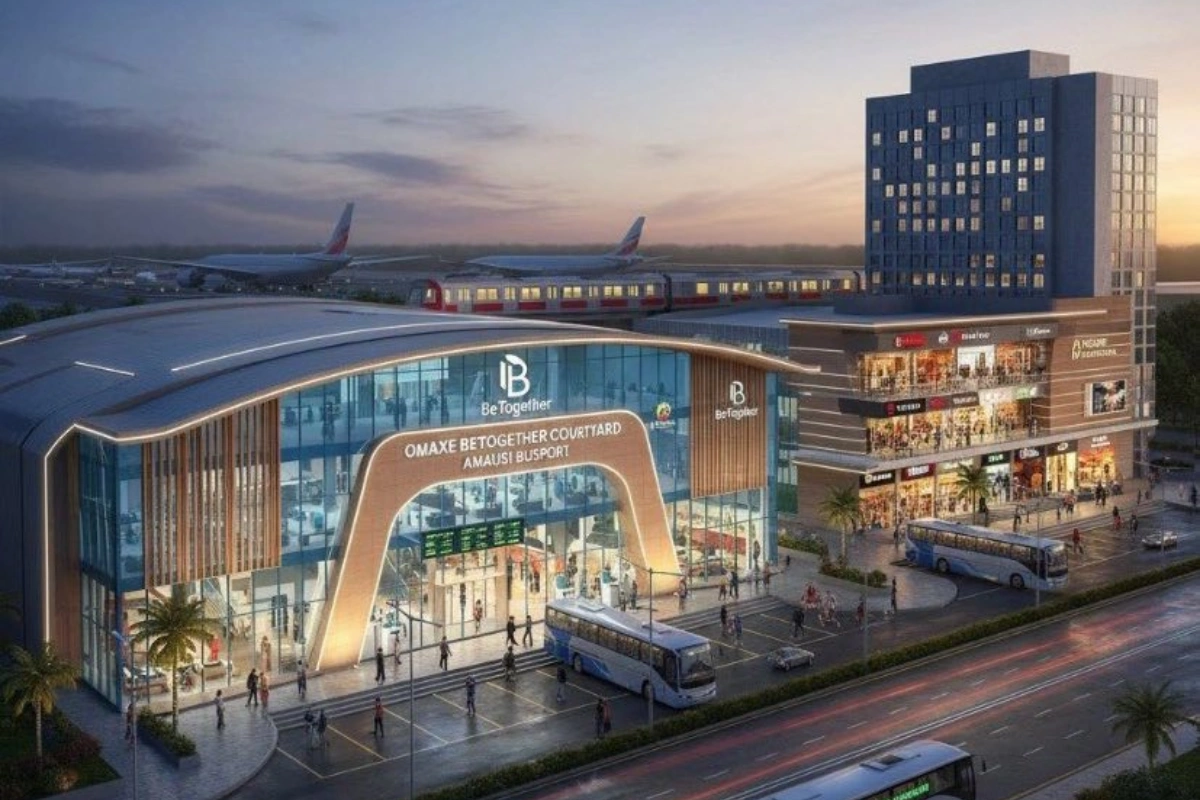
Uttar Pradesh News: Dayashankar Singh, the transport minister of Uttar Pradesh, has announced that bus stations in the state would now be developed on the Design, Build, Finance, Operate and Transfer (DBFOT) model with the participation of private players [public-private partnership (PPP)] likely in investment and operational expertise.
Uttar Pradesh News-What’s Special?
The Public-Private Partnership (PPP) model followed by the UP government would mark one of the most ambitious transport infrastructure upgrades in recent history of the state under the leadership of CM Yogi Adityanath. The initiative that also includes free land for Narora (Bulandshahr), Tulsipur tehsil (Balrampur) and Sikandrarao tehsil (Hathras) would help in modernizing public transport in Uttar Pradesh.
DON'T MISS
PPP Model Advantages
At its core, the PPP model would help in attracting private investment into the redevelopment of state’s bus terminals. This would help in reducing the fiscal burden on the state government’s exchequer while accelerating growth and development in Uttar Pradesh. Furthermore, the hybrid model would make the projects financially viable while improving the overall passenger experience to standards comparable with airports or modern railway stations.
Dayashankar Singh remarked that the upcoming bus stations would now be equipped with modern commercial facilities and passenger amenities such as cinema halls and shopping complexes, turning them into money-churning economic hubs. In addition to these developments, the state government also announced simplification of investor eligibility norms by minimizing the technical capacity requirements to 100 percent from 150 percent and extending the project eligibility period from 5 to 8 years.
The PPP model of transportation would help terminals attract higher passenger volumes, which would make certain routes more commercially viable. This, in turn, would help encouraging both private and public operators to increase service frequency. Moreover, better infrastructure could help in reducing turnaround times for bus, allowing for more efficient fleet utilization.


