


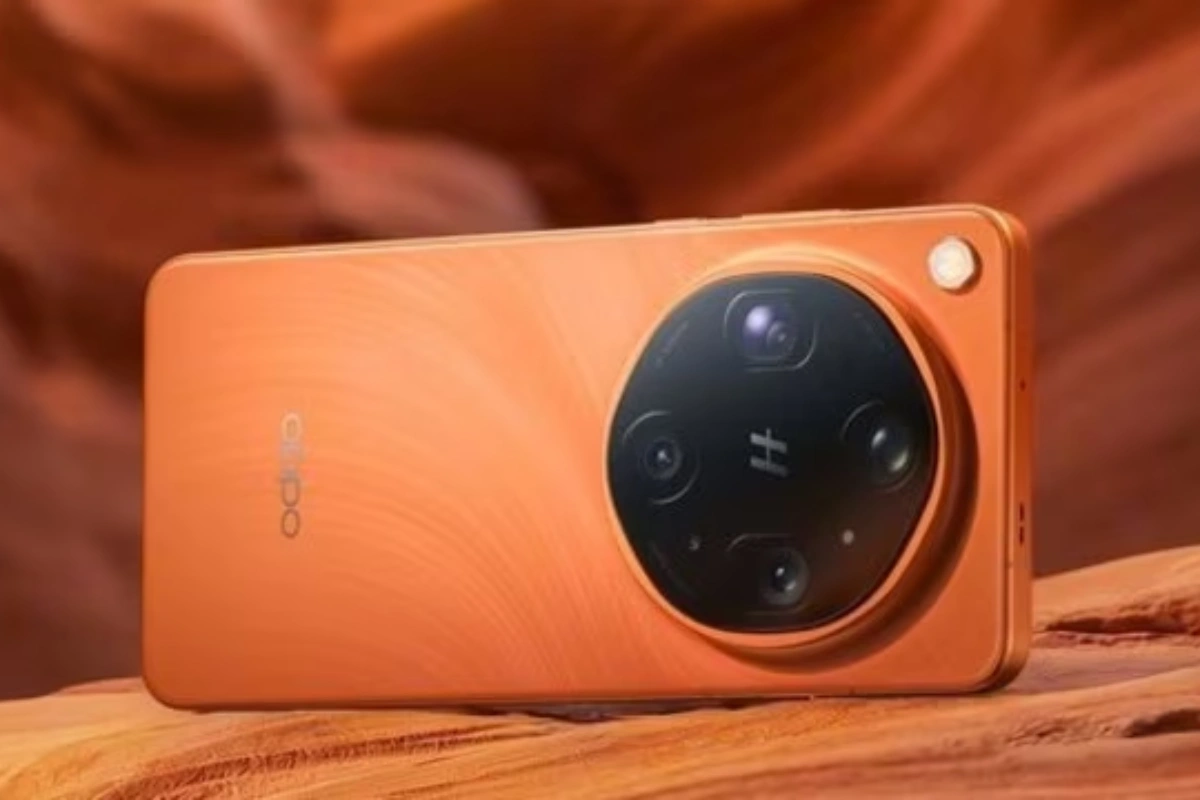
The smartphone industry continues to push boundaries, and the upcoming Oppo Find X10 Pro Max is being talked about as one of the most ambitious camera-focused devices yet. With a strong emphasis on artificial intelligence and next-generation imaging hardware, the device is expected to redefine how users capture photos and videos on mobile phones.
A Major Leap in Smartphone Photography
The highlight of the Oppo Find X10 Pro Max is its advanced camera system, which is designed to deliver professional-grade results directly from a smartphone. The device is expected to feature a multi-lens setup with improved sensors that capture more light, resulting in sharper images, richer colors, and better low-light performance.
DON'T MISS
AI-Powered Imaging Experience
Artificial intelligence is at the heart of this device’s camera capabilities. The phone is expected to intelligently analyze scenes in real time, automatically adjusting settings like exposure, contrast, and color balance.AI enhancements may also improve portrait shots, background blur accuracy, and object detection, making photography more intuitive for both casual users and enthusiasts.
Smarter Video Recording Features
Beyond photography, the Oppo Find X10 Pro Max is expected to bring significant upgrades to video recording. AI stabilization, enhanced night video modes, and real-time scene optimization could allow users to capture cinematic-quality footage directly from their phone.
Performance Designed for Creativity
To support its advanced imaging capabilities, the device is expected to come with a powerful processor and optimized software integration. This ensures smooth performance even when handling high-resolution images, 4K videos, and AI-driven processing tasks.Combined with ample storage and fast processing speeds, the phone is designed to handle heavy creative workloads with ease.
Redefining Mobile Photography Standards
With its focus on AI-driven photography and next-level camera hardware, the Oppo Find X10 Pro Max aims to challenge traditional expectations of smartphone cameras. It represents a shift toward smarter, more automated imaging experiences that make high-quality photography accessible to everyone.