


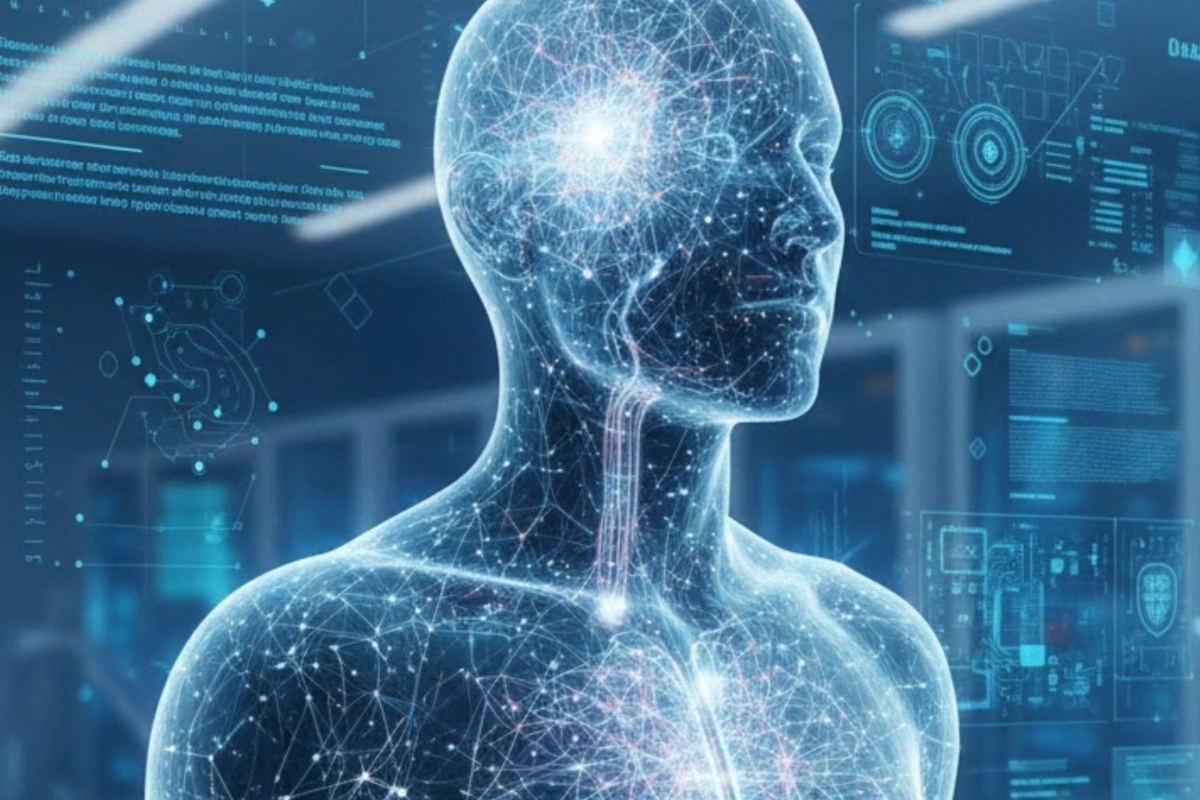
Artificial intelligence is rapidly changing healthcare. It can now spot diseases faster and more accurately than ever before. As technology and medicine merge, AI could become a vital tool in public health worldwide.
Artificial Intelligence Detecting Illness Before Symptoms Appear
As reported by TOI, recent AI systems are reaching levels of prediction once thought impossible. Delphi‑2M, a new AI model, can assess the risk for over 999-1,000 diseases using large, anonymised health records. Researchers trained it on data from 400,000 people in the UK and validated it on 1.9 million patients in Denmark, showing predictive power that could change how chronic illness is treated.
AI isn’t just predicting illness, but also improving early detection. An AI-powered micro-ultrasound tool recently outperformed traditional prostate cancer screening, achieving 92.5% sensitivity while reducing unnecessary biopsies.
DON'T MISS
Even respiratory diseases are in AI’s sights. The tool Swaasa analysed cough sounds to detect lung issues with 97.3% sensitivity. Such tools are especially useful in remote areas, where access to doctors and expensive diagnostic equipment is limited.
AI In Practice: Facts And Figures
The growth of AI in healthcare is measurable. The AI-in-healthcare sector is set to expand rapidly over the next few years. Diagnostic AI tools are now widely used in radiology, pathology, genomics, and more. Algorithms can detect certain diseases with up to 95% accuracy, rivalling traditional methods.
Hospitals increasingly rely on AI to reduce workloads, speed up diagnoses and improve care. Radiology departments, in particular, benefit from faster scan analysis, which gives patients quicker results.
However, AI isn’t perfect. Experts warn that over-reliance could erode doctors’ skills. A recent study found that when AI assistance was removed, clinicians’ ability to spot pre-cancerous growths dropped by 20%.
AI also struggles with rare diseases or complex conditions that lack consistent patterns. Privacy, data security, and ethics are ongoing concerns. AI relies on sensitive patient data, so anonymisation and consent are critical.
Is Artificial Intelligence The Future Of Healthcare?
AI could revolutionise public health by shifting the focus from reactive to preventive care. Early detection saves lives, reduces invasive procedures, and lowers healthcare costs. Chronic disease management could improve with early alerts, giving patients time to take preventive action.
Still, the human element remains irreplaceable. AI should support doctors, not replace them. Care, judgment and compassion will always be essential in medicine.
To sum it up, AI is a powerful tool with the potential to predict and detect disease earlier than ever. With careful implementation, it could transform public health and save countless lives.