


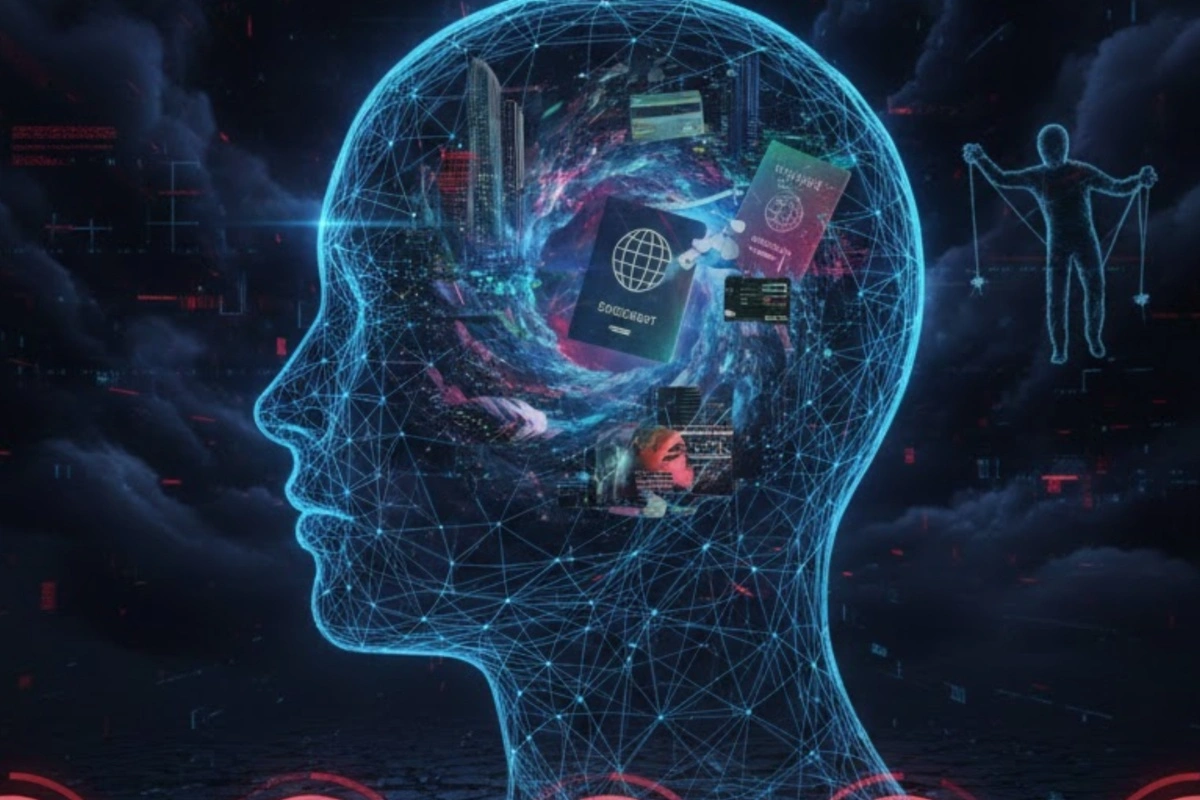
Artificial Intelligence feels exciting, powerful and magical. But behind all that hype, there is a darker side that many people still don’t fully understand. This is not a future problem as many dangers linked to AI are already happening around us. Today, we talk about 5 real risks that experts have been warning about.
How Is Artificial Intelligence Dangerous? Check 5 Silent Threats
1. Deepfakes And Technology Of Lies
Deepfake videos, fake voices and forged documents are spreading at a shocking speed. Research shows the number of deepfake files is expected to jump from 5 lakh in 2023 to nearly 80 lakh in 2025. Another study found that deepfake content grew by 550% between 2019 and 2024.
This rise is not harmless. Cybercriminals are now using deepfakes for scams and fraud. A 2025 report by the Entrust Cybersecurity Institute revealed that a deepfake-based attack happened every five minutes in 2024. Another fraud-tracking company, Pindrop, reported a 1,300% rise in voice-based deepfake fraud within one year.
These numbers show one thing clearly: deepfakes are no longer a cool trick. They are becoming a powerful weapon.
2. Identity Theft And Digital Forgeries
Artificial Intelligence has made it easier to create fake IDs and forged documents that look almost real. The 2025 Identity Fraud Report noted a 244% jump in digital document forgeries compared with the previous year. Digital forgeries have even overtaken traditional physical fakes.
DON'T MISS
This means identity theft is entering a new and dangerous phase, powered by AI tools that anyone can access online.
3. Built-in Bias And Hidden Discrimination
AI learns from the data it is trained on. If the data includes stereotypes, the system will copy them. Recent academic studies have shown that some image-generation and language models carry gender and racial biases. Women and people from certain communities are often shown in stereotypical roles.
This can affect hiring systems, security tools and even the way people are represented online. Bias becomes automated and discrimination becomes harder to detect.
4. Job Loss And Workplace Disruption
AI is also reshaping the job market. One major study suggests that up to one-third of U.S. jobs may face disruption because of AI. Roles based on writing, data entry, translation, accounting or repetitive tasks are among the most vulnerable.
Global forecasts warn that hundreds of millions of jobs may be reworked or lost in the next few years. This isn’t just about unemployment. It’s about growing inequality and the urgent need for reskilling.
5. Fast-Spreading Scams And Hard-to-Track Attacks
AI-powered scams spread extremely fast. A fake voice or video can go viral in minutes. Detection tools cannot keep up with the speed at which fake content is produced. Law enforcement often finds itself chasing shadows.
For many victims (from individuals to small businesses), the damage can be permanent.
How You Can Stay Safer
1. Be careful with videos, voice notes or documents that seem urgent or emotional.
2. Double-check identities before responding to money requests.
3. Reduce how much personal information you share online.
4. Support stronger rules on deepfakes and AI misuse.
5. Ask platforms to label AI-generated content clearly.
Artificial Intelligence can do amazing things. But it can also amplify danger at a massive scale. Deepfakes, fraud, bias, job loss and fast-spreading scams are real risks we must pay attention to. Awareness and strong regulation are the only ways to stay safer as AI keeps evolving.