


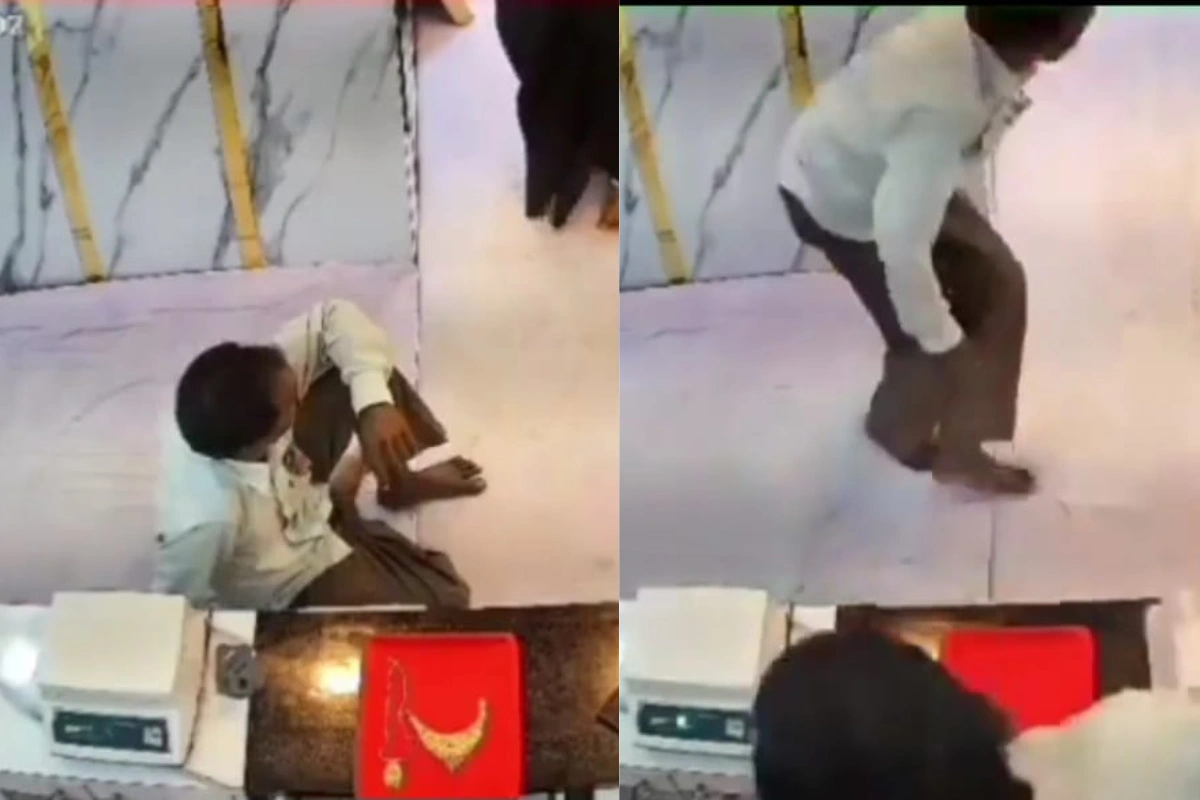
A shocking viral video from Ayodhya has taken over social media, where a burqa-clad person is seen allegedly stealing a gold necklace from a jewellery shop. The incident has sparked curiosity and debate online, with many questioning whether the accused was a woman or a man in disguise.
What Happened?
According to viral footage circulating on platforms like X, a person dressed in a burqa entered a jewellery shop pretending to be a customer. While the shop staff was distracted, the individual allegedly managed to take a gold necklace and quietly leave the store. Such incidents are not entirely new, as similar cases have been reported where suspects used clothing like burqas to hide identity and carry out thefts in jewellery shops. The video quickly went viral, raising concerns about security in jewelry stores and misuse of identity concealment.
DON'T MISS
Burqa Disguise Raises Questions
One of the biggest talking points from the video is the confusion around identity. Many viewers questioned whether the person was actually a woman or a man disguised in a burqa to avoid detection. This has triggered a wider debate about how easily identity can be hidden and misused in crowded public places like markets and shops.
Bigger Issue Behind the Viral Video
Beyond the viral moment, this case highlights a serious concern about theft techniques and security gaps. Experts believe jewelry shops need better surveillance, staff awareness, and identity checks to prevent such incidents. At the same time, many voices online are calling for balanced discussions without spreading hate or misinformation.
People’s Reaction
The viral Ayodhya video has triggered strong and mixed reactions online. Many users expressed shock over how easily the theft was carried out and demanded tighter security in jewellery shops. Some questioned the identity of the person in the burqa, while a section of netizens made controversial remarks calling for restrictions.
Note: This Article has been done on the information provided in this viral video/ post. DNP India doesn’t endorse, subscribe or verify the claims.