

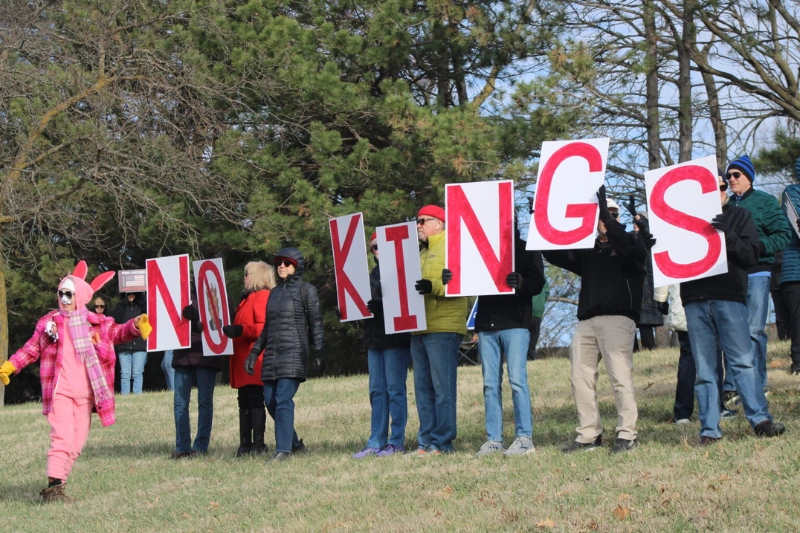
The “No Kings” movement has grown into one of the biggest protests in American history. On March 28, 2026, there were more than 3,300 protests in all 50 states. The protests are against Donald Trump and his administration’s policies, especially the war controversy with Iran.
DON'T MISS
Millions of Americans took to the streets, from big cities like Washington, D.C. and Chicago to small towns in traditionally conservative states. The scale shows that more and more people are unhappy with both foreign policy and how the government runs things at home.
What “No Kings” Means
Indivisible and MoveOn are two grassroots groups that helped put together the movement, which is against what it calls authoritarian leadership. Protesters are worried about immigration crackdowns, civil rights issues, the economy, and what organizers call an “illegal and catastrophic” war with Iran.
The phrase “No Kings”, which is a way of saying that people don’t want the government to have too much power. It comes from the founding ideas of the United States. Past waves of protests in 2025 are said to have drawn 5 to 7 million people, moving one of the biggest in the country’s history.
The Iran War Sparks New Anger
The most recent wave of protests has been caused by rising tensions in the Iran Conflict. Critics say the war isn’t open enough and doesn’t have enough congressional oversight, which makes calls for accountability even stronger.
From Protests to a Plan for the Future
Organizers are now focusing on long-term involvement instead of one-day protests, which is different from past movements. Plans include getting people to vote, organizing in their own communities, boycotting, and being active in their own communities.
Activists are making connections to keep the momentum going after big protests, to affect future elections and policy decisions. Issue-based groups are now a part of many events, connecting people to causes like labour rights and immigration monitoring.


