

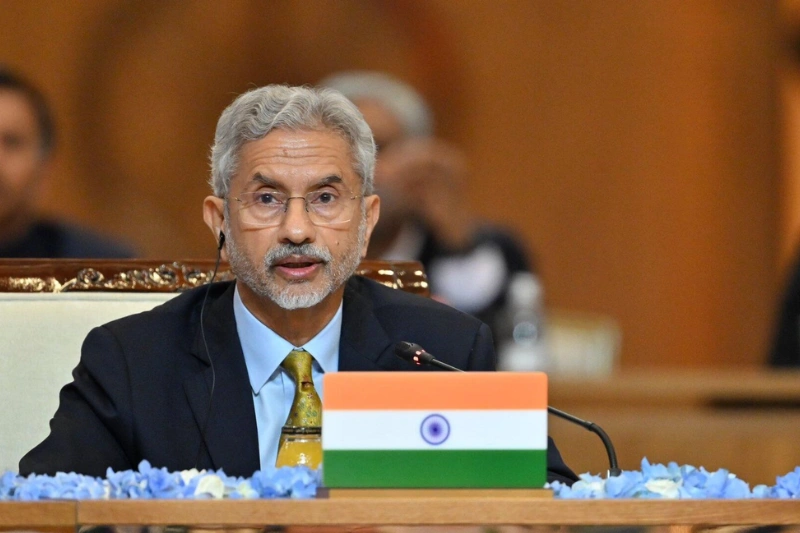
S Jaishankar: The ongoing tensions in the Middle East have now taken a sharp geopolitical turn, placing India, Pakistan, and the United States at the center of global diplomacy.
Jaishankar’s Strong Message: “India Is Not a Dalal Nation”
At a recent all-party meeting, S. Jaishankar made it clear that India will not act as a “dalal” or mediator between the US and Iran. While Pakistan has offered to facilitate talks, India has chosen to maintain strategic independence and prefers direct engagement with global powers.
DON'T MISS
Why Is Pakistan Pushing for Mediation?
Pakistan has positioned itself as a potential bridge between Washington and Tehran, offering Islamabad as a venue for peace talks. This is not new. Historically, Pakistan has played a mediator role in several geopolitical situations, including facilitating communication between the US and Iran. With the Middle East crisis intensifying, Islamabad is once again trying to leverage its diplomatic connections, especially its ties with both the US and regional players.
JD Vance’s Possible Visit to Islamabad
In a major development, reports indicate that JD Vance may travel to Pakistan over the weekend to participate in talks aimed at de-escalating the Iran conflict.
The proposed visit comes as the White House explores options to initiate negotiations between the US and Iran, with Islamabad emerging as a possible meeting ground.
Sources suggest:
- Pakistan could host high-level diplomatic talks
- JD Vance may act as a key US representative in negotiations
- Alternative locations like Türkiye are also being considered
A Clear Contrast: India vs Pakistan
This situation highlights a sharp diplomatic contrast:
India’s Approach
- Refuses third-party mediation roles
- Focuses on independent foreign policy
- Avoids being seen as a “broker nation”
Pakistan’s Approach
- Actively offering mediation
- Positioning itself as a diplomatic bridge
- Hosting potential global negotiations


