


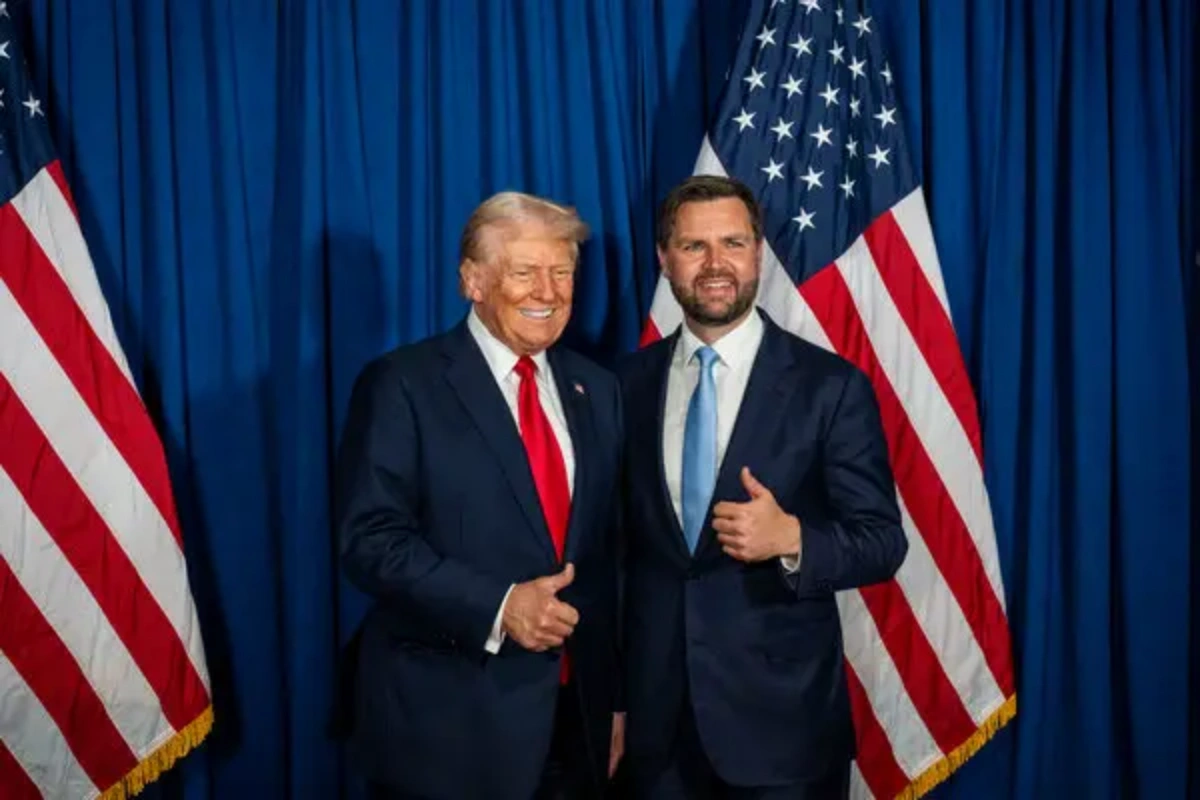
Donald Trump: A fatal shooting with an Immigration and Customs Enforcement agent has grasped the centrepiece in US political discourse with the phrase Cold Blooded Murder or Self Defence. The incident during an enforcement operation has sharply divided public opinion and political leadership.
What Happened During the ICE Operation
According to federal authorities, the shooting occurred when the ICE agent perceived an imminent threat to his life. Officials said the action was in self-defence when things became heated. The partial videos online and the fact that not everything is yet clear to the public have raised doubts and added to demands for an independent investigation into what happened.
DON'T MISS
Why Donald Trump Is Backing ICE
Former President Donald Trump publicly defended the ICE agent by contending that law enforcement officers are finding themselves increasingly confronted in a hostile fashion in trying to do their jobs. The former president framed the shooting as a justified response to danger: “The way they are treating our Border Patrol, our law enforcement, it’s not good for national security, it’s not good for the border.”
JD Vance’s Stance on the Issue
Vice President JD Vance likewise took up Trump’s mantle, staunchly defending ICE and touting media coverage of the incident as out of bounds. Vance characterised the shooting as the tragic result of a dangerous situation gone wrong, while blaming incendiary political rhetoric and anti-law-enforcement sentiment for ratcheting up tensions on federal officers.
Public Reaction and Political Aftermath
Protests have emerged in several cities over the incident, as civil rights groups and opposition leaders demand accountability and transparency. Critics say the case represents deeper concerns about use-of-force policies, immigration enforcement practices, and oversight of federal agencies.
Why This Debate Matters
Beyond the single incident, the controversy reflects wider national fissures on immigration, policing, and security versus civil liberties. Ongoing reviews’ findings might temper future ICE operations and further erode public confidence in federal law enforcement.